
Brownsburg, IN
Bathroom Remodel Permits in Brownsburg, IN | Explained
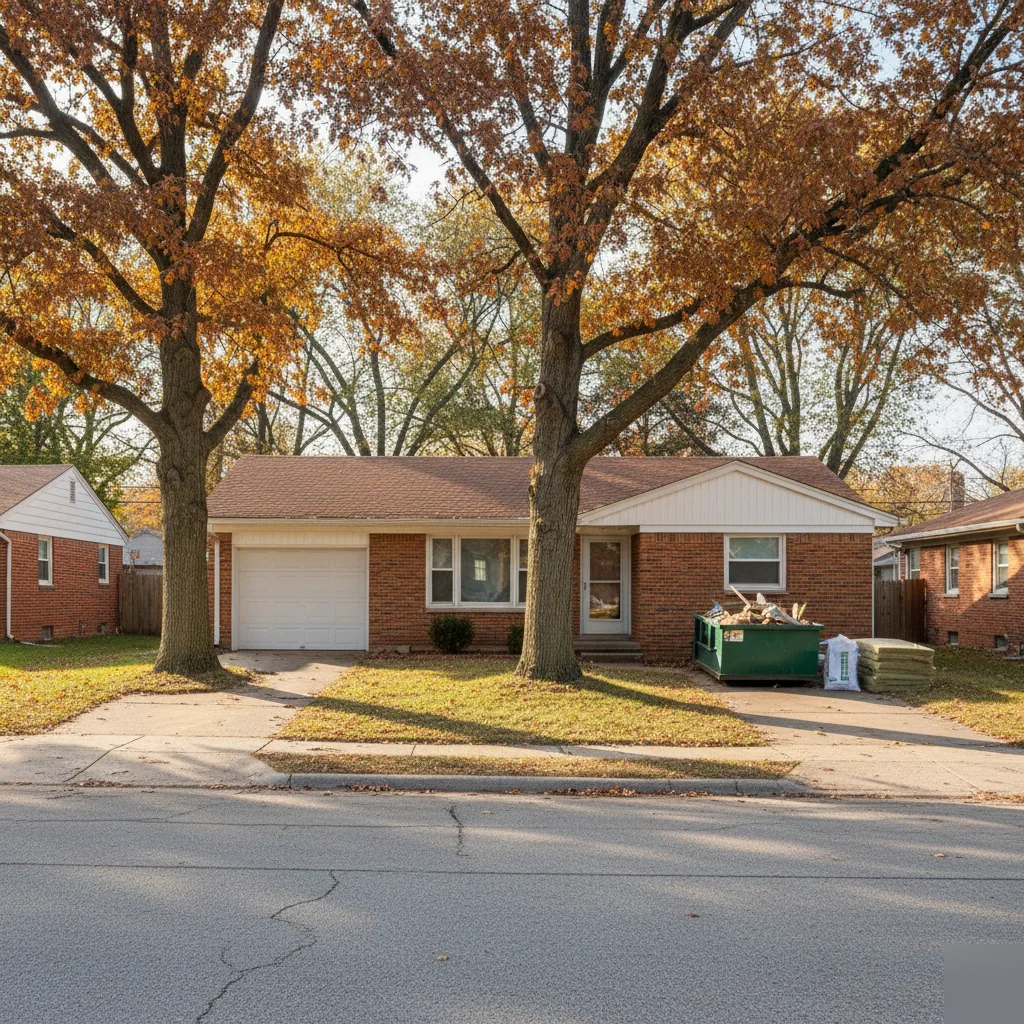
Most Bathroom Remodels in Indiana Require at Least One Permit
We've found many homeowners right here in Brownsburg assume their bathroom remodel project is too small to need a permit., that's one of the biggest misconceptions we encounter. We see it all the time on projects across Hendricks County. The truth is quite simple: if your bathroom remodel involves making any changes to the plumbing lines, the electrical wiring, or the structural bones of your home, you'll almost certainly need a permit. This permit comes directly from the Town of Brownsburg.
Indiana's residential building code uses the International Residential Code, the IRC. Local places, like Brownsburg, take these standards. They adopt them. And they make them law through their own planning and building departments. So these aren't just suggestions from the state. They have real power here. We work within these strict codes daily, and our bathroom remodeling services page walks through what it takes to get things approved correctly the first time.
What Triggers a Permit
Not every single bathroom update means you need paperwork. Just swapping a vanity mirror or painting the walls? No permit required. But the second you start messing with how water moves, where electricity flows, or how walls are put together, permits become part of the job.
These things usually demand one:
- Plumbing changes. This means moving a toilet, putting in a new shower drain, or sending supply lines on a different path.
- Electrical work. Adding new outlets, putting in an exhaust fan where there wasn't one, or upgrading circuits for things like heated floors.
- Structural modifications. Taking out or changing a wall that holds weight (a load-bearing wall) to make the bathroom bigger.
- New fixtures in new spots. Where there weren't any supply or drain lines before.
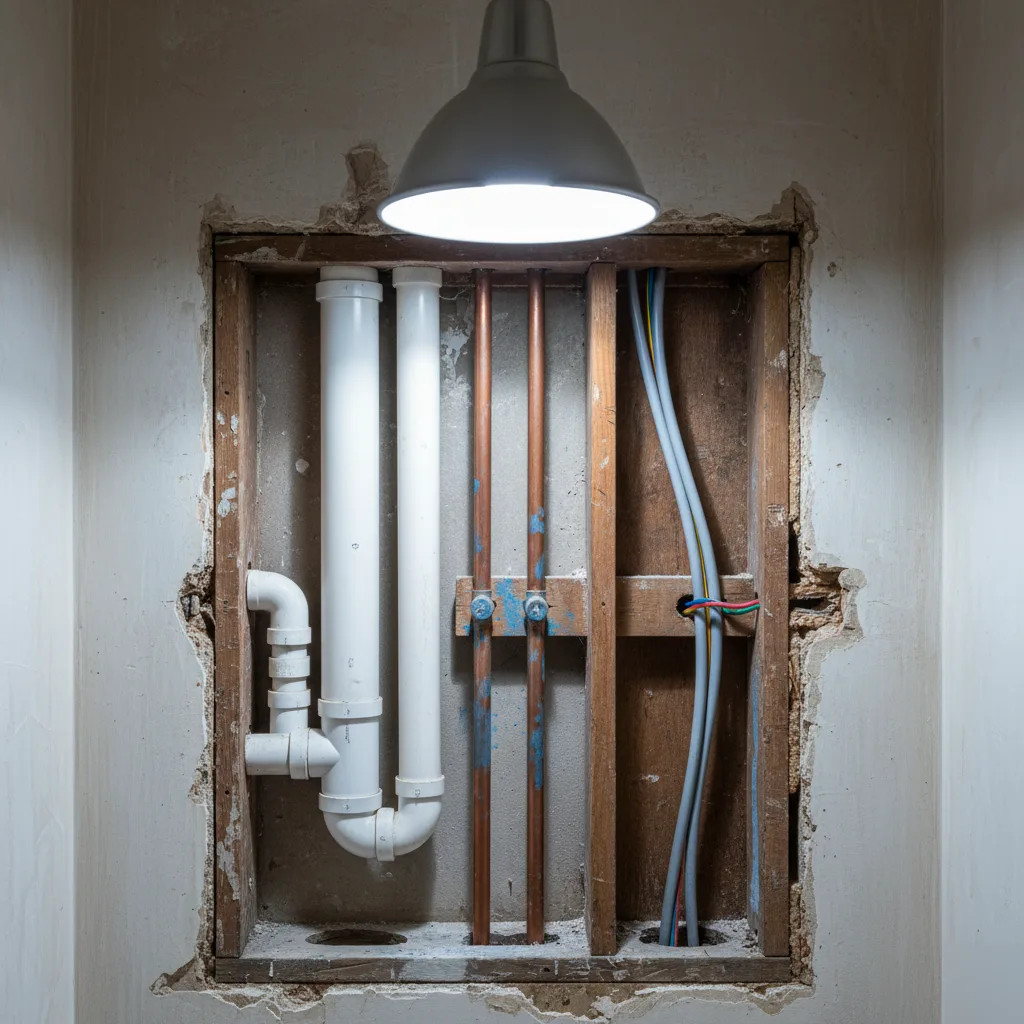
And converting a half bath into a full bath? That almost always calls for plumbing permits. We've talked to countless Brownsburg homeowners about this. Many had no idea their "simple upgrade" actually needed a permit. It's a common surprise.
Why This Matters More Than You Think
Skipping a permit might feel like you're saving time. You're not. It always bites you later.
Unpermitted work brings real trouble down the line. Say you decide to sell your home. A buyer's inspector will likely find those modifications. They'll flag them as unpermitted. This can slow down a closing or even stop a sale completely. What if something goes wrong with that unpermitted plumbing or electrical work? Your homeowner's insurance might just refuse to cover the damage. The National Association of Home Builders points out that lenders and insurers always check for permit compliance when property changes hands. It's a big deal.
And there's the safety side. Permits are there for a reason: inspections catch errors. A bad plumbing connection can drip inside your walls for months. You won't know until the damage is real. An electrical circuit wired wrong could overheat — a fire hazard waiting to happen. These aren't just made-up stories, by the way. We've personally seen both situations in Brownsburg homes. Previous remodels just skipped the permit steps. It was a mess. Especially with some of those older houses near the downtown area, getting things done right from the start is just smart.
How the Process Works Locally
Getting a bathroom remodel permit in Brownsburg goes through the Town's planning department. The process sounds complicated, but it's really a few clear steps. Here's how we typically see it unfold:
- Figure out your project scope. What permits will you need?
- Turn in your application. Include a clear description of the work you plan.
- Wait for the town to review it and give approval. Don't start any permitted work before this happens.
- Book inspections. These happen at specific times while we build.
- Get the final sign-off. This happens once all the work passes inspection.
Most permits for residential bathroom projects don't actually take ages to process. But if you start work before you get that green light, you could get a stop-work order. Or even a fine. And no one wants that headache right in the middle of their remodel.
Here’s a critical point many homeowners miss until it’s too late. Your contractor should be the one pulling those permits for you. If someone tells you permits aren’t necessary for plumbing or electrical changes, that’s a huge warning sign. A trustworthy, licensed contractor always handles the permit process. It’s just part of the job. If you’re thinking about a bathroom remodel in Brownsburg, we can sit down. We’ll walk you through exactly what your project needs before the first nail goes in. Reach out to us to get started.
These Types of Bathroom Work Typically Require a Permit
Not every bathroom update requires a permit. Just swapping a faucet or painting the walls? You're good. But the second your project touches plumbing lines, electrical wires, or the actual structure of your home, Brownsburg asks you to pull a permit. This permit comes through the Hendricks County Building Department.
Here's the honest truth we've learned after years of bathroom remodel work in Brownsburg: most homeowners just don't realize what truly makes a project "permit-worthy." Even a simple-looking job can quickly cross that line.
Work That Triggers a Permit
- Moving or adding plumbing lines. Are you moving your toilet? Putting in another sink? Shifting the shower drain to a new place? That's a plumbing permit. Even bumping a supply line over just a few inches counts.
- Electrical changes. Adding an outlet by the vanity? Putting in a bathroom exhaust fan where there wasn't one before? Upgrading your electrical panel for a heated floor system? All of these need an electrical permit.
- Structural modifications. Taking out a wall to make your bathroom bigger? Widening a doorway? Cutting into floor joists to fit a new tub drain? Those all require a building permit.
- New water heater installation. If your bathroom remodel includes a tankless water heater — we see a lot of those going in lately — or a separate hot water source, that usually means a separate permit.
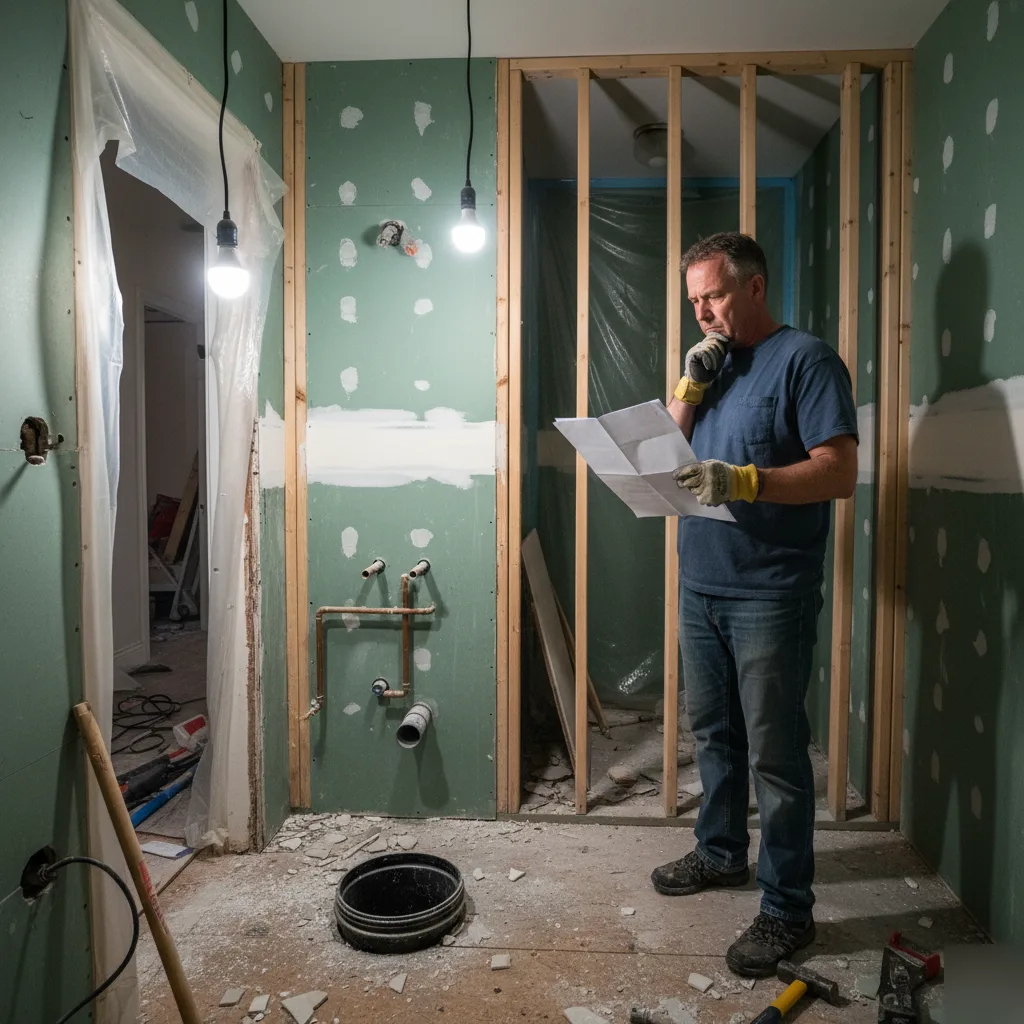
And here's a big one people often overlook: turning a half bath into a full bath. That project almost always needs both plumbing and building permits. Even if the room stays the exact same size. You're putting in a shower or a tub where one didn't exist before. This changes the drain load. It changes the ventilation needs. And sometimes it even means beefing up the floor's structural support — it's more than you think.
What Doesn't Need a Permit
Simple cosmetic updates? Those stay in the clear. Replacing old tile, putting in a new vanity in the exact same spot, swapping out a showerhead, or updating cabinet pulls. None of those things trigger a permit here in Brownsburg.
The really important phrase there is "same location."
If you're putting a new toilet where the old one was, using the existing connections, no permit needed. But if that new toilet shifts just a foot to the left, you're rerouting the drain line. And that's a whole other project, a different story completely.
A Real-World Example
We recently helped a homeowner near Arbuckle Acres with a remodel. They wanted to change a small hall bathroom into a walk-in shower. It sounded pretty simple at first. But that job needed a few big things. We had to remove a load-bearing section of wall, reroute the drain to fit a linear drain, and add a special GFCI circuit for the new steam unit. That meant three separate permits. Three inspections. It was one project that absolutely would have caused huge headaches without proper approvals.
Most folks don't realize this stuff until they're already tearing things apart. So it's always better to figure it out at the very start.
The International Code Council says that any work touching life-safety systems in a home needs a permit. Plumbing and electrical fall squarely into that category. Indiana follows this exact standard with its residential building code. This isn't just about red tape. It's about keeping your family safe.
If your bathroom remodel goes beyond just cosmetic changes, assume you'll need a permit check first. We can help you figure out exactly what your Brownsburg project requires. We do this before any work even starts. Reach out to us. We'll make sure your Brownsburg bathroom remodel begins with the right plan in place from day one.
How the Brownsburg Permit Process Actually Works
Most homeowners in Brownsburg imagine a long, hard trek to some government office. They picture piles of forms. Weeks of just waiting. But the reality is much simpler than that. The process just has a few clear steps you need to follow.
Here's how we typically see it happen:
- Know your scope of work. Before anything else, you need to pin down exactly what you're changing. Are you shifting a wall? Rerouting a drain line? Putting in a new vent stack? Write it all down. The permit office needs specifics. They don't want vague ideas like "just updating the bathroom."
- Get your documents ready. You'll need a basic drawing. This shows the layout of your remodel. For any plumbing or electrical changes, include a diagram of the new routes. Brownsburg's planning department is part of the Town of Brownsburg. They always want to see enough detail. It ensures your project meets the code.
- Submit your application. You can go to the Brownsburg Town Hall on East Main Street. Or check the town's building department website for other ways to turn it in. Fill out the permit application. Attach your plans. A good contractor, by the way, will handle all this for you.
- Wait for review. Simple bathroom remodel permits in Brownsburg usually get reviewed pretty fast — often within a few business days. Bigger projects might take a little longer. But a standard permit for plumbing or electrical work rarely stretches out for weeks.
- Schedule inspections. This is the bit people forget about. Your permit isn't just a paper slip that lets you start. It also means inspections. These happen at key stages. Rough-in plumbing gets checked before you seal up the walls. Electrical connections get looked at before any fixtures go in. A final inspection happens once everything is done.
- Close out the permit. After the final inspection passes, your permit is officially closed. This means the town has documented and approved your work.

That sixth step? It matters more than most people realize., it's often overlooked.
We see this mistake happen all the time. A homeowner gets a permit, finishes the work, but never calls for that final inspection. So that permit just sits there, open on the property record. This can cause real headaches later on. Imagine trying to sell your home or refinance it. A title search flags that open permit. Then a buyer gets cold feet. Suddenly, you're scrambling. You're trying to fix something that would have taken twenty minutes to close out earlier.
What About Inspections for Smaller Changes
Even a straightforward bathroom remodel here in Brownsburg usually needs two or three inspections. One for the rough-in plumbing. Another for the electrical. And a final walkthrough. The inspector is there to confirm your work meets code they make sure nothing will leak, short out, or create a safety hazard behind your brand new tile. We see this all the time, especially when homeowners try to cut corners.
Here’s a practical tip we've learned after years of working in Hendricks County. Don't schedule your drywall installation until those rough-in inspections pass. It sounds obvious,. But rushing that timeline is one of the most common errors on bathroom remodel projects. If an inspector needs you to move a drain line by just two inches, you absolutely do not want to tear out fresh drywall to do it. That’s wasted time and money for everyone.
The whole process — from putting in the application to getting that final sign-off — generally takes a few weeks for a typical Brownsburg bathroom remodel. Most of that time is spent with us doing the actual work. You're not just sitting around waiting on paperwork. When you work with an experienced team, a crew that knows the local building department inside and out, the permit process just moves along in the background. Your project keeps going.
If you're planning a bathroom remodel and want help with permits right from the start, we invite you to reach out to us for a free estimate. Getting this critical part of your project right the first time saves you real headaches down the road. It also ensures the lasting quality of your investment. This brings you peace of mind.
Frequently Asked Questions
Do I need a permit for a simple bathroom remodel in Brownsburg, IN?
Yes, most bathroom remodels in Brownsburg require at least one permit if they touch plumbing, electrical, or structural work. Just repainting walls or swapping a mirror? No permit needed. But the moment you move a drain, add an outlet, or knock out a wall, the Town of Brownsburg requires you to pull a permit through their planning department. Many homeowners are surprised by this. Even a project that looks small on the surface can cross that line quickly.
What happens if I skip the permit for my Brownsburg bathroom remodel?
Skipping a permit can cause serious problems later. When you sell your home, an inspector will likely flag unpermitted work. That can slow down or stop your closing. Your homeowner's insurance may also refuse to cover damage tied to unpermitted work. The National Association of Home Builders notes that lenders and insurers check permit compliance when property changes hands. Beyond money, unpermitted plumbing or electrical work can hide real safety risks inside your walls. (SOURCE: National Association of Home Builders)
Does my contractor pull the permit, or do I have to do it myself?
Your licensed contractor should pull the permits for you — that's part of their job. If a contractor tells you permits aren't needed for plumbing or electrical changes, treat that as a warning sign. A trustworthy, licensed pro handles the permit process from start to finish. They submit the application, schedule inspections, and get the final sign-off. You shouldn't have to chase that paperwork yourself.
Does Brownsburg follow the same permit rules as the rest of Indiana?
Yes, Brownsburg follows Indiana's residential building code, which is based on the International Residential Code (IRC). But the Town of Brownsburg adopts and enforces those standards locally through its own planning and building department. That means the rules carry real legal weight here in Hendricks County — they aren't just state suggestions. Local inspectors review your project and issue approvals. Working with someone who knows Brownsburg's local process makes a real difference, especially in older homes near the downtown area.
Is converting a half bath to a full bath in Brownsburg a big permit deal?
Yes, converting a half bath to a full bath almost always requires a plumbing permit in Brownsburg. You're adding new supply lines, a drain, and often new electrical for lighting or a fan. Each of those changes triggers its own permit requirement. This is one of the most common projects where homeowners underestimate the paperwork involved. The good news is the process is straightforward when you work with a licensed contractor who handles permits as a normal part of the job.
What's a common mistake Brownsburg homeowners make about bathroom remodel permits?
The biggest mistake is assuming the project is too small to need a permit. We hear this all the time across Hendricks County. Homeowners think only major renovations need permits. But even moving a toilet a few inches or adding one outlet near the vanity counts as permit-required work in Brownsburg. Starting work before getting approval can result in a stop-work order or a fine. Always confirm what your project requires before the first nail goes in — not after.