
Brownsburg, IN
Home Office Remodel Permits in Brownsburg: What to Know
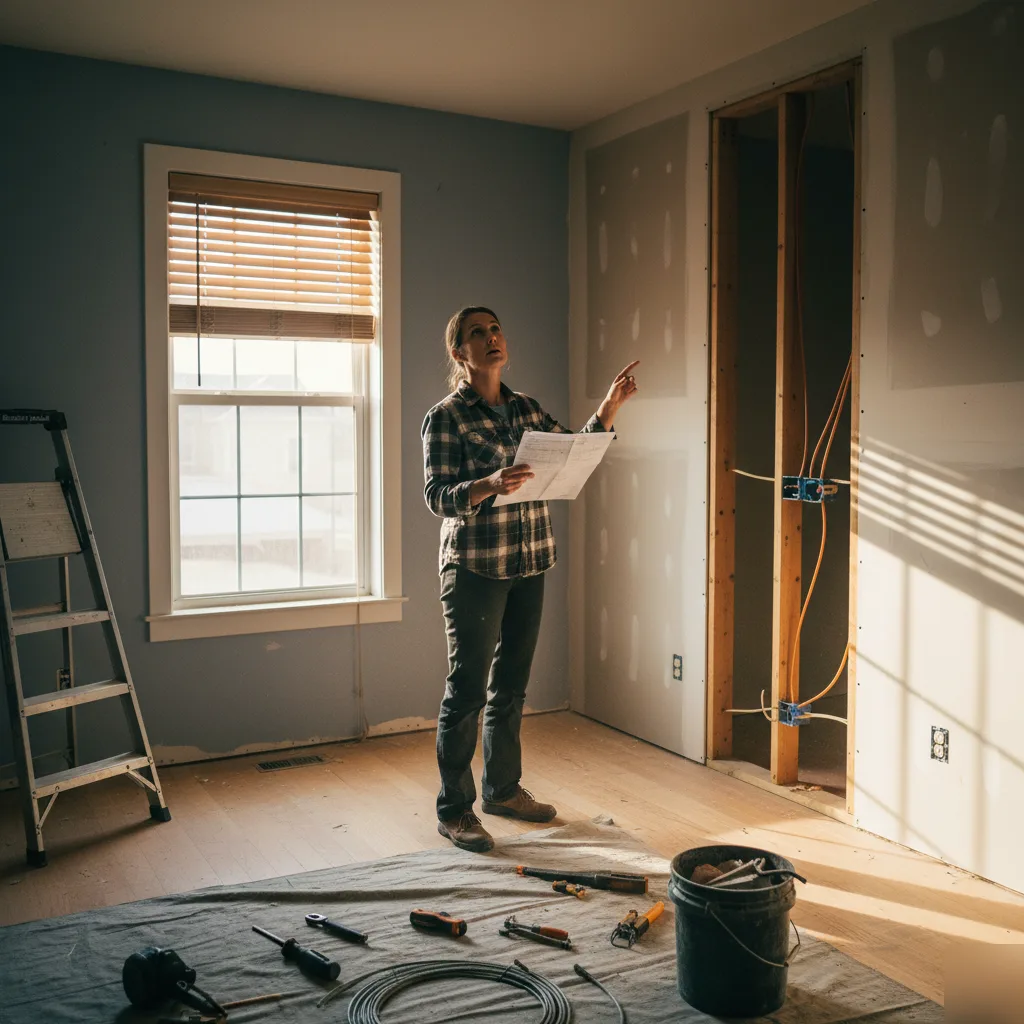
Most Home Office Remodels in Brownsburg Require at Least One Permit
Here's a plain truth about home office remodels in Brownsburg. It's not just about picking paint or finding the right desk chair. The moment you touch electrical wiring, move a wall, or add a window, you're probably going to need a permit from the Brownsburg Building Department.
And, that's a good thing.
Permits protect your investment. They make sure all the work meets Indiana's residential building code. Plus, they safeguard your home's resale value. We've seen projects without the right permits cause real trouble during a home sale or an insurance claim. The team has helped homeowners in Brownsburg who got stuck selling a house where unpermitted electrical work failed inspection. That's a mess nobody wants to clean up.
What Triggers a Permit Requirement
Not every small change needs town approval. Cosmetic updates, like fresh paint, new flooring, or just swapping out light fixtures on existing circuits, usually don't. Most actual remodeling work does. Here's what typically requires a permit here in Brownsburg:
- Adding or moving electrical outlets, circuits, or a subpanel to power your office gear.
- Removing or building interior walls, even if they aren't holding up the roof.
- Changing window or door openings in an exterior wall (this is a big one).
- Running new plumbing lines, say if you're putting a small half bath close to the office.
- Installing a mini-split or adjusting your HVAC system for better climate control.
Any work that changes the structure, electricity, or mechanical systems means you should plan on pulling at least one permit. Often, projects need two or three.
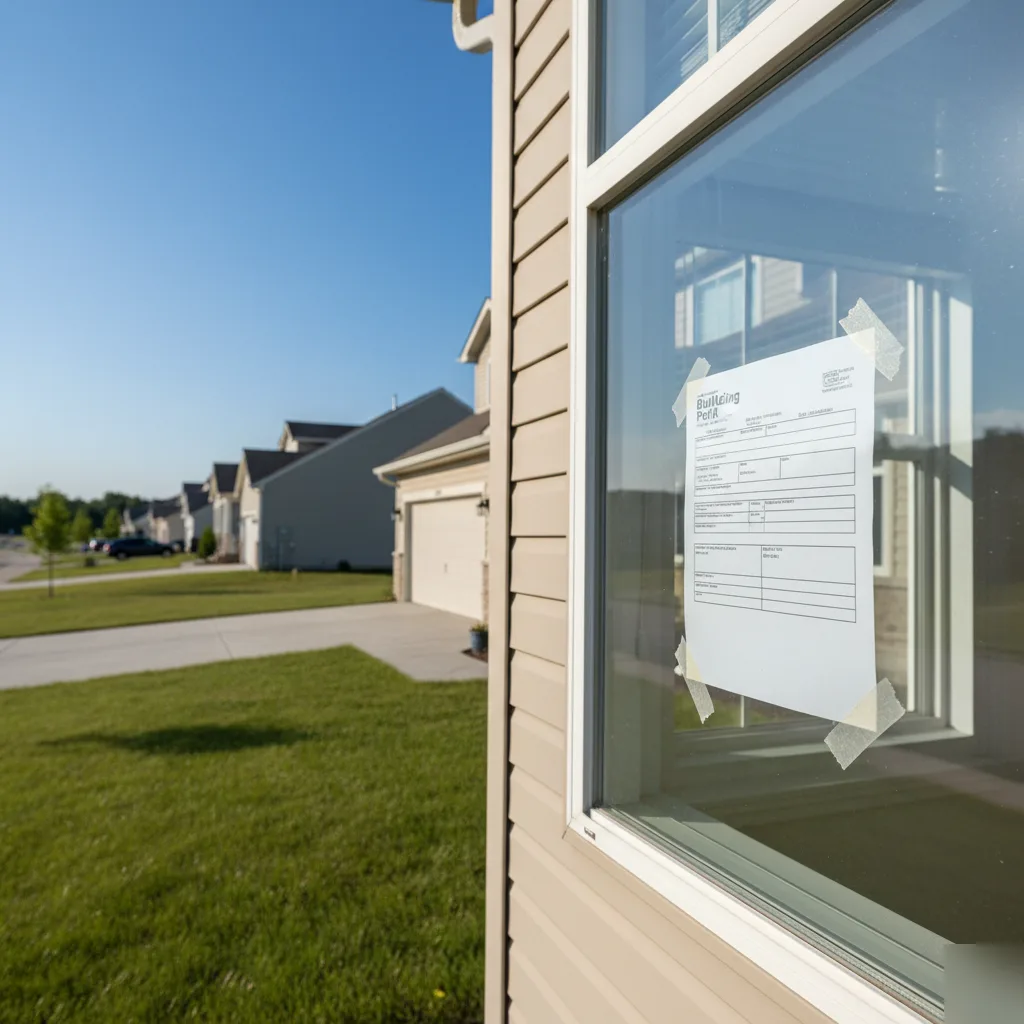
How the Brownsburg Permit Process Works
The Brownsburg Planning and Building Department handles residential permits. You go through the Town Hall offices. You'll need to submit plans showing what the scope of work is. The team does this often for clients in neighborhoods near Arbuckle Acres Park and all across the 46112 zip code. The review time can vary with how complex your project is. Simpler permits can sometimes move through pretty fast.
Here's what most people miss until it's too late: inspections happen at specific steps. You cannot cover up a wall before the electrical rough-in gets looked at. If you do, they will make you tear it back open. That eats up both time and money nobody planned for.
The team sees this exact mistake happen all the time on DIY jobs. Someone finishes their new drywall over fresh wiring, then finds out they needed an inspection first. Now they're ripping out brand-new work. It's a waste.
A capable contractor bakes the inspection schedule into the project timeline right from the start. That way, there are no surprises. No rework. No delays that stretch a two-week job into six weeks.
But here's what's really important for you to know. Permit requirements in Brownsburg follow the Indiana Residential Code. That code used the 2012 International Residential Code as its standard, according to the Indiana Fire Prevention and Building Safety Commission. Your contractor should know exactly which permits apply to your specific project long before any work even begins. If they tell you permits aren't needed for electrical changes or structural work, that's a serious warning sign you should not ignore.
And if you're thinking about a home office remodel in Brownsburg and want to know precisely what permits your project will need, reach out to the team for a free estimate. Getting the permit question answered early truly saves time later on.
These Specific Home Office Upgrades Trigger a Permit Requirement
Not every home office remodel requires a permit. A fresh coat of paint, new flooring, or just swapping out light fixtures? No worries there. But the second your project touches structural components, electrical systems, or plumbing lines, Brownsburg's building department will get involved.
This is where plenty of homeowners trip up. They think, "it's just a small room," so permits surely don't apply. The team sees this mistake happen constantly. The size of the room doesn't actually matter. What matters is the specific kind of work you're doing.
Work That Requires a Permit
These upgrades will definitely trigger a permit requirement in Brownsburg:
- Adding or moving electrical circuits. Running a dedicated 20-amp circuit for your robust computer setup, or putting in several new outlets, means pulling an electrical permit. Even one new outlet counts, by the way.
- Moving or adding walls. Turning part of a larger room into a closed office, or taking down a wall to open up the space, requires a building permit. Load-bearing or not, the town wants to see the plans.
- Plumbing additions. Putting in a small sink or a wet bar in your office area means you need a plumbing permit. This comes up more often than you might imagine with more high-end home office setups.
- HVAC modifications. Adding a new duct run, moving a vent, or installing a mini-split system just for your office needs a mechanical permit.
- Window or door changes. Cutting a brand new window opening or making an existing one bigger involves changes to the structure. That's a permit every time, without fail.
Keep the work strictly cosmetic, and you can skip the permit office. The second it goes deeper than surface-level changes, you cannot.
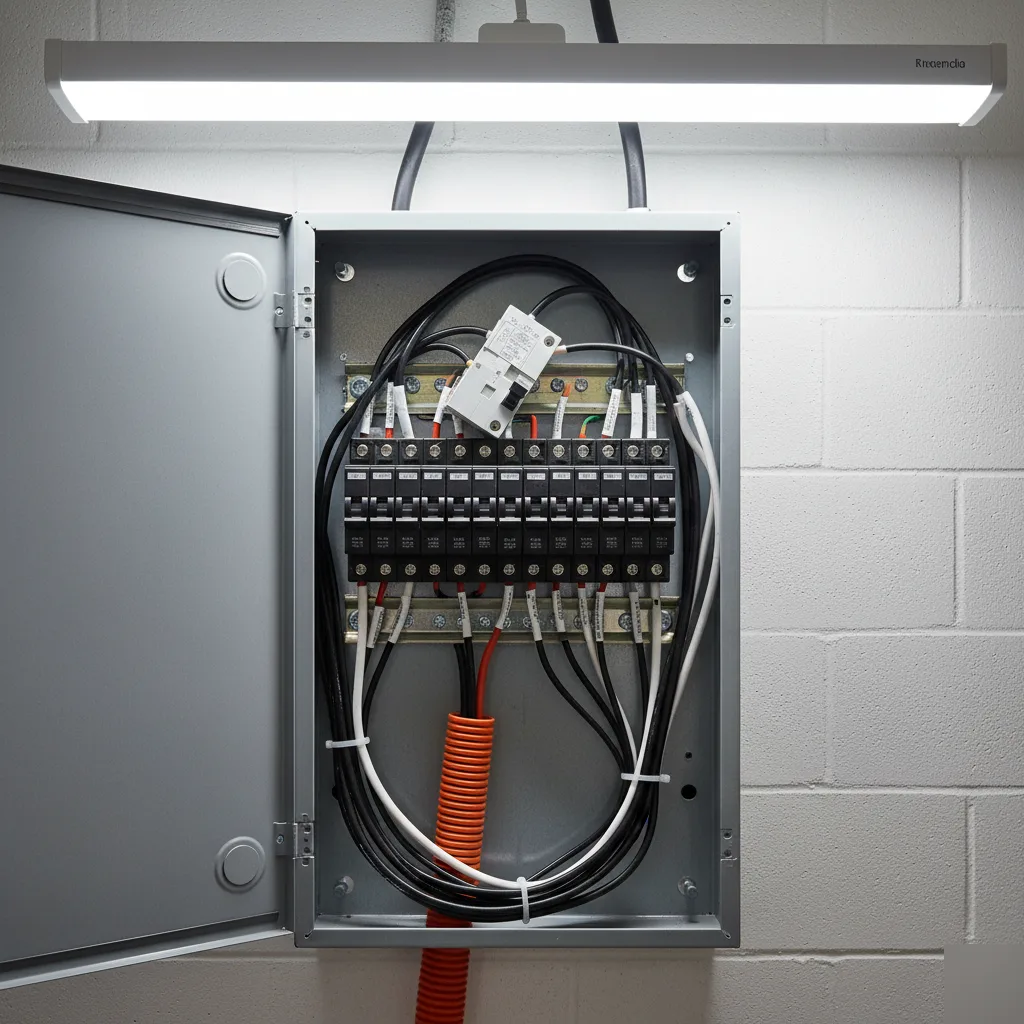
The One People Miss Most Often
Electrical work. Hands down. A homeowner in the Northfield Estates area of Brownsburg once mentioned they had a handyman add four outlets and a ceiling fan. No permits were pulled. The wiring wasn't up to current code, the circuit was overloaded, and the whole thing had to be redone before the home could pass inspection for a future sale. That's a real hassle.
That's actual money spent twice.
Indiana's residential code follows the IRC, the International Residential Code. Brownsburg enforces it locally through the Hendricks County permit process. Any electrical work that goes beyond a simple light fixture swap needs a licensed electrician and a permit. There are no exceptions to this rule.
Garage Conversions and Basement Offices
Converting a garage or an unfinished basement into a home office is a much bigger undertaking than most people realize. These types of projects almost always require permits. That's because they change the use of the space itself. You are turning an unfinished or non-habitable area into a proper living space. That triggers specific requirements for things like egress windows, proper insulation, fire separation, and the right ceiling height.
The team has walked through basement office projects in Brownsburg. The homeowner didn't even realize they needed a specific window size for emergency egress. That's a detail you absolutely do not want to discover after the drywall is already installed.
And here's a useful detail to remember. Finishing a space that wasn't previously temperature-controlled will likely mean showing compliance with Indiana's energy code, too. Insulation values, vapor barriers, all of it comes into play. If your home was built before 1978, any remodeling work that disturbs painted surfaces also falls under federal lead-safe rules — you can learn more about those requirements through the EPA renovation and painting program guide.
If you're planning a home office remodel and aren't sure where your project falls, the team can walk you through exactly what's needed. We do this before any work even starts. Getting this right upfront saves you significant time and plenty of headaches later on.
Skipping a Permit Creates Real Risk, Especially in Brownsburg's Active Market
Most folks who skip pulling a permit aren't trying to cut corners. They just don't think a home office remodel is a big enough project to actually matter. But it absolutely does matter. And here in Brownsburg, where homes are selling quickly and appraisers are very thorough, unpermitted work can really come back to bite you.
Here's what actually happens when unpermitted work gets flagged.
A home inspector finds it during a sale. The buyer's lender demands proof of permits. You can't produce them. Now you're scrambling to get a retroactive permit from the Brownsburg Building Department. This often means the finished work might need to be opened up for inspection. Drywall gets torn out. Electrical covers are removed. The team has seen this situation unfold in neighborhoods near Arbuckle Acres and along the Green Street corridor. Homes built in the 1990s and early 2000s are regularly changing hands there.
That's not some far-fetched story. It's a typical Tuesday for us.
The risks go way beyond just resale value, though. Here are some consequences most Brownsburg homeowners don't consider until it's much too late:
- Insurance denial: If a fire starts from improperly wired electrical in your home office, your insurer can deny the claim. This happens if permits were never pulled.
- Code violations and fines: Hendricks County and the Town of Brownsburg can issue stop-work orders. They can also apply daily fines for unpermitted construction.
- Title complications: Unpermitted additions or structural changes can cloud your title. This will slow down or even kill a future home sale.
- Safety hazards: Without proper inspection, there's no third-party check. That means no verification for load-bearing changes, proper ventilation, or circuit capacity.
And here's something people truly don't think about. Your property tax assessment is based on what the county knows about your home. If you add square footage or convert a garage without a permit, the county eventually finds out anyway. Think about aerial surveys, neighbor complaints, or even just a routine assessment visit. Now you owe back taxes plus penalties, and you still need to get the permit. It adds up.

Brownsburg's real estate market has been going strong for years now. The Indiana Association of Realtors often notes Hendricks County as one of the fastest-moving residential markets in central Indiana. That means more transactions. More inspections. More chances for unpermitted work to surface. A home office remodel done the right way protects your investment. One done without permits puts it at serious risk.
Retroactive Permits Cost More Than Doing It Right the First Time
Getting a permit after the fact isn't just awkward. It's both expensive and slow. The town may require you to pay double the original permit fee. They'll likely require demolition of finished surfaces. This lets inspectors see the framing, the wiring, and the plumbing behind your walls. You could be looking at weeks of delays and thousands in rework costs. All for a permit that would've taken only a few days upfront.
The team sees this pattern repeat every single year. Someone finishes a beautiful home office remodel in Brownsburg. They list their house eighteen months later. And the whole thing unravels at inspection. It's avoidable. Every time, it's avoidable.
So, if you're wondering whether to just "do it quiet" and skip the paperwork, don't. The short-term convenience isn't worth the long-term headache. Pull the permit. Get the inspections. Sleep well knowing the work is clean, legal, and ready for whatever comes next.
If you want to make sure the permit process is handled correctly from day one, talk to the team about your project. Getting it right the first time saves you real money and a lot of stress.
Frequently Asked Questions
Does a home office remodel in Brownsburg always need a permit, even for small projects?
Not every project needs a permit, but most actual remodeling work does. Cosmetic updates like paint, new flooring, or swapping light fixtures on existing circuits are usually fine without one. The moment you touch electrical wiring, move a wall, or change a window opening, you need a permit from the Brownsburg Planning and Building Department. The size of the room doesn't matter. What matters is the type of work being done. When in doubt, check before you start — not after.
What happens if I skip the permit process for my Brownsburg home office remodel?
Skipping permits can cause serious problems down the road. Unpermitted work can fail inspection when you try to sell your home. It can also create issues with insurance claims if something goes wrong. Brownsburg enforces Indiana's residential building code, which is based on the International Residential Code (IRC). If unpermitted work is discovered, you may have to tear out finished walls or redo completed work. That costs real time and money — often more than the permit would have.
How does the Hendricks County permit process work for Brownsburg homeowners specifically?
Brownsburg residential permits are handled through the Town Hall offices and the Brownsburg Planning and Building Department. You submit plans showing the scope of your work. Then inspections happen at set stages — for example, electrical rough-in must be inspected before you close up the walls. Missing an inspection step means tearing out finished work. Homeowners across the 46112 zip code go through this same process. A good contractor builds the inspection schedule into the project timeline from day one so nothing gets missed.
Is electrical work the permit requirement that Brownsburg homeowners miss most often?
Yes, electrical work is the one people overlook most. Many homeowners assume a few new outlets or a ceiling fan added by a handyman doesn't need a permit. It does. Even adding one new outlet counts as electrical work that requires a permit in Brownsburg. Wiring that isn't up to current code can overload circuits and create safety hazards. It also has to be redone before a home can pass inspection for a future sale. If you're planning electrical changes as part of a home office remodel, our home office remodel page walks through what the full project process looks like.
Do I need separate permits for electrical, plumbing, and structural work on the same project?
Yes, different types of work often require separate permits. A single home office remodel can easily need two or three permits at once — one for electrical, one for structural changes, and one for mechanical work like HVAC. Each permit covers a specific trade. Brownsburg's building department reviews each scope of work separately. A contractor who knows the local process will pull all the right permits before work begins. That keeps your project on schedule and protects you from costly surprises during inspections.
What's a common misconception Brownsburg homeowners have about home office remodel permits?
The biggest misconception is that permits are just red tape that slow things down. In reality, permits protect you. They create an official record that the work was done correctly and to code. That record matters when you sell your home or file an insurance claim. Another common mistake is thinking a small room means small rules. Brownsburg's permit requirements are based on the type of work, not the size of the space. A tiny home office with new electrical and a moved wall still needs permits — full stop.