
Brownsburg, IN
Kitchen Remodel Permits in Brownsburg, IN
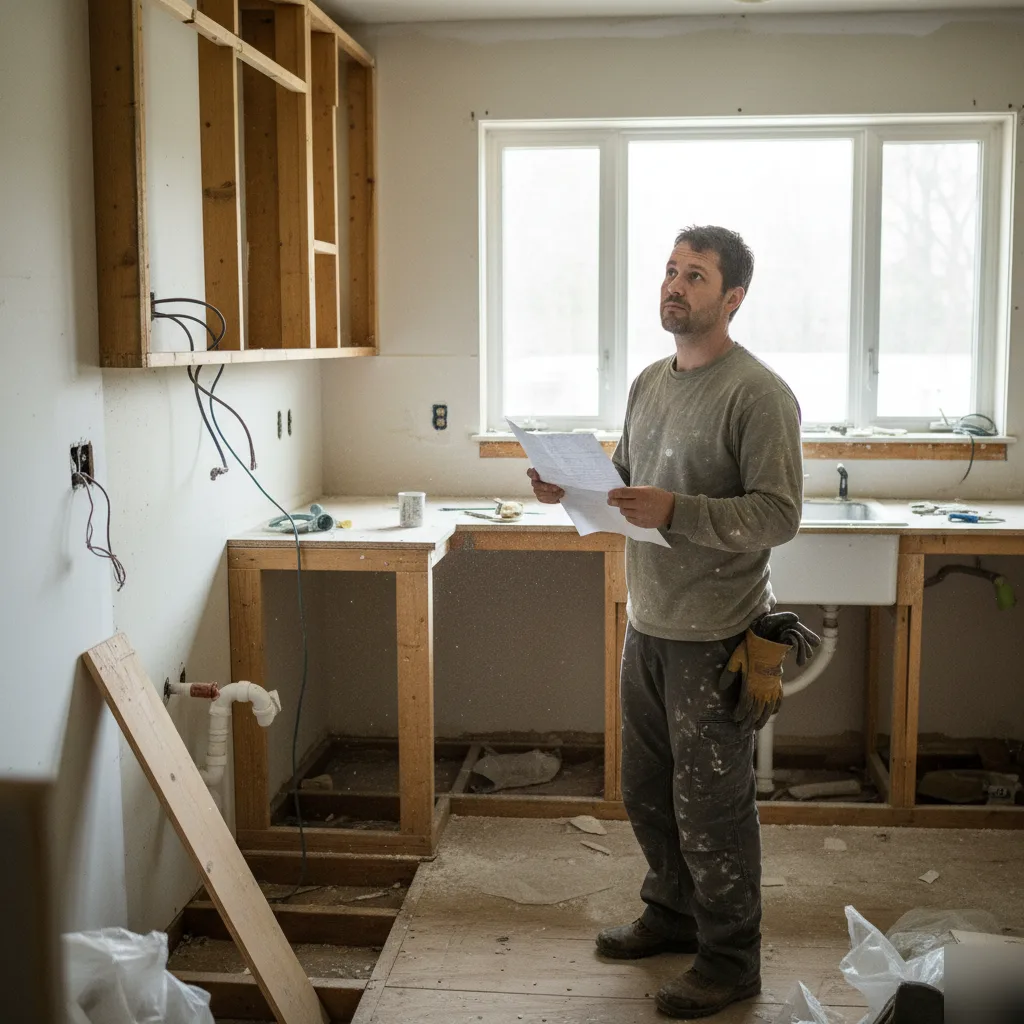
Most Kitchen Remodels in Brownsburg Need a Permit
A lot of homeowners don't see this coming. If your kitchen remodel in Brownsburg changes anything beyond just paint and new cabinet hardware, you'll likely need a permit. Brownsburg follows Indiana's residential building code. These rules are pretty clear about what kind of work triggers a permit.
Simple cosmetic changes are an exception. You can swap out a faucet. You can replace countertops. Refinishing cabinets is fine. No need to visit the planning department for those. But the moment you move a wall, reroute plumbing, add an electrical circuit, or relocate a gas line, a permit comes into the picture.
What Kind of Work Requires a Permit in a Kitchen Remodel
People often think permits are only for big additions or new construction. That's not right. A kitchen remodel can actually require multiple permits depending on how much work you're doing. Here's what usually needs one in Brownsburg:
- Any structural work, like taking out a load-bearing wall or changing it
- New electrical wiring, moving outlets, or adding a dedicated circuit for an appliance
- Plumbing changes — moving a sink or adding a dishwasher hookup
- Gas line work for a new range or cooktop
- Putting in a range hood, or changing one that vents through an outside wall
Where to Get Your Permit
Brownsburg handles residential building permits through the Hendricks County Building Department. You'll submit your project scope — often, a basic floor plan showing the changes is enough. Electrical and plumbing permits are separate from the general building permit, so one project can easily involve two or three different permits.
The process isn't as tough as some people think. Most straightforward kitchen remodel permits in Brownsburg get reviewed pretty quickly — usually within a few business days. But skipping this step completely? That's when things go wrong.
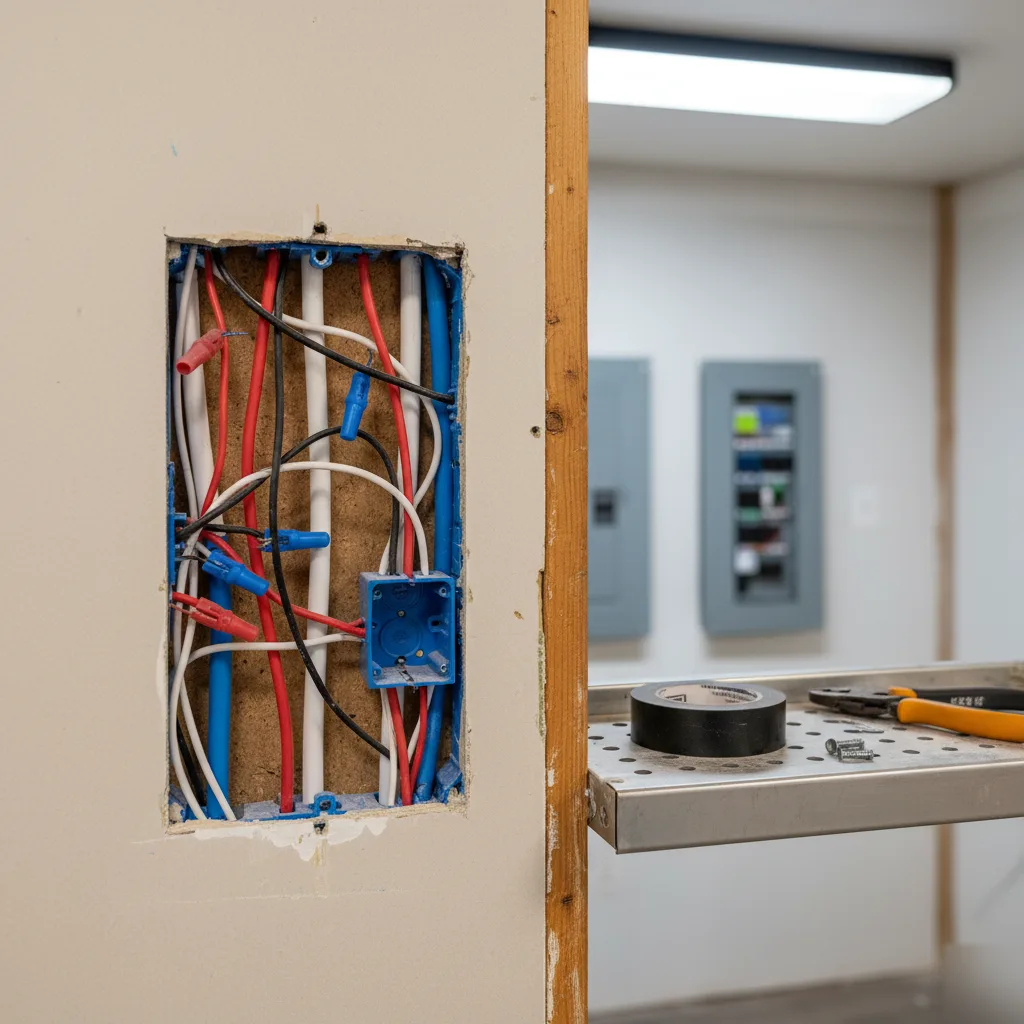
The team has walked into kitchens where a previous owner did electrical work without a permit. The wiring behind the walls was truly dangerous. Undersized wire on a 40-amp circuit. Junction boxes buried inside walls with no access. These are the problems permits and inspections are supposed to catch.
And here's something a lot of folks overlook. Unpermitted work can cause real trouble when you sell your home. A buyer's inspector will flag that work. The appraiser will have questions. Suddenly, you're paying to rip out finished walls — just so an inspector can verify what's behind them.
Permits do add a step to your kitchen remodel timeline. But they protect your investment, your family's safety, and your home's resale value. If you're planning a kitchen remodel in Brownsburg and aren't sure which permits apply, reach out to the team before you start demo day. Getting it right from the beginning costs a lot less than fixing mistakes later.
Specific Kitchen Tasks That Require a Permit
Not every kitchen update needs a permit. Swapping out cabinet hardware, painting walls, or installing a new faucet on the existing supply lines? You're good. But the second your project touches the underlying structure of your home, Brownsburg's building department gets involved.
Here's what usually surprises homeowners. The permit isn't about the room itself. It's about the exact kind of work you're doing inside it.
Electrical Work
Adding a new circuit for an island cooktop needs an electrical permit. Relocating an outlet to fit a different countertop layout also needs one. Even just moving a light switch triggers it. The team sees this come up constantly. A homeowner plans for under-cabinet lighting — they think it's a small job. But if new wiring runs through the wall, a permit is needed. Hendricks County follows the National Electrical Code. Inspectors check wire gauge, box fill, and GFCI protection near sinks.

Plumbing Changes
Moving your sink to a different wall requires a permit. Adding a pot filler above the stove? That's a permit. Running a new gas line for a range? Absolutely, that's a permit. Any time you alter supply lines or change drain lines, the work must be inspected. This is especially important in Brownsburg homes built before 2000 — their older drain configurations might not meet current Indiana plumbing code standards.
Structural Modifications
Knocking out a wall between the kitchen and dining room is a common request here in Brownsburg. But if that wall carries a load, you'll need a structural permit and possibly engineered drawings. Load-bearing walls in ranch-style homes across the Brownsburg area often sit right where people want those open-concept layouts. You need to plan for it.
A good way to remember what needs a permit:
- Any new or relocated electrical circuits, outlets, or hardwired light fixtures
- Any change to water supply lines, drain lines, or gas piping
- Taking out or changing walls, especially those that hold up the house
- Adding or moving a ventilation duct for a range hood that exhausts outside
- Putting in a new window or making an existing opening larger
HVAC changes get overlooked too often. If your kitchen remodel involves rerouting ductwork or adding a return vent, that requires a mechanical permit. Most homeowners don't think about it until their contractor points it out.
Even cosmetic remodels can accidentally cross into permit territory. Imagine you're replacing countertops. The plumber finds corroded shutoff valves. Replacing those valves on the same lines is usually okay. But if the plumber needs to reroute a section of pipe to make the new valves fit, you've just entered permit territory.
The team always recommends getting permits sorted out before demo day. Brownsburg's permitting office handles residential permits directly. Waiting until the middle of the project to file permits causes delays — and delays cost you time and money. Our kitchen remodeling process page walks through what a typical project looks like from start to finish.
What Happens If You Skip a Kitchen Remodel Permit
Skipping a permit might feel like a shortcut. It truly isn't. It's a big gamble — with your home's value, your safety, and your wallet.
The team sees this happen in Brownsburg more often than you might imagine. A homeowner hires someone, moves a gas line or adds a new circuit for an island cooktop, nobody pulls a permit. The work looks fine for a while. Then one of three things happens. And none of them are good.
The Sale of Your Home Falls Apart
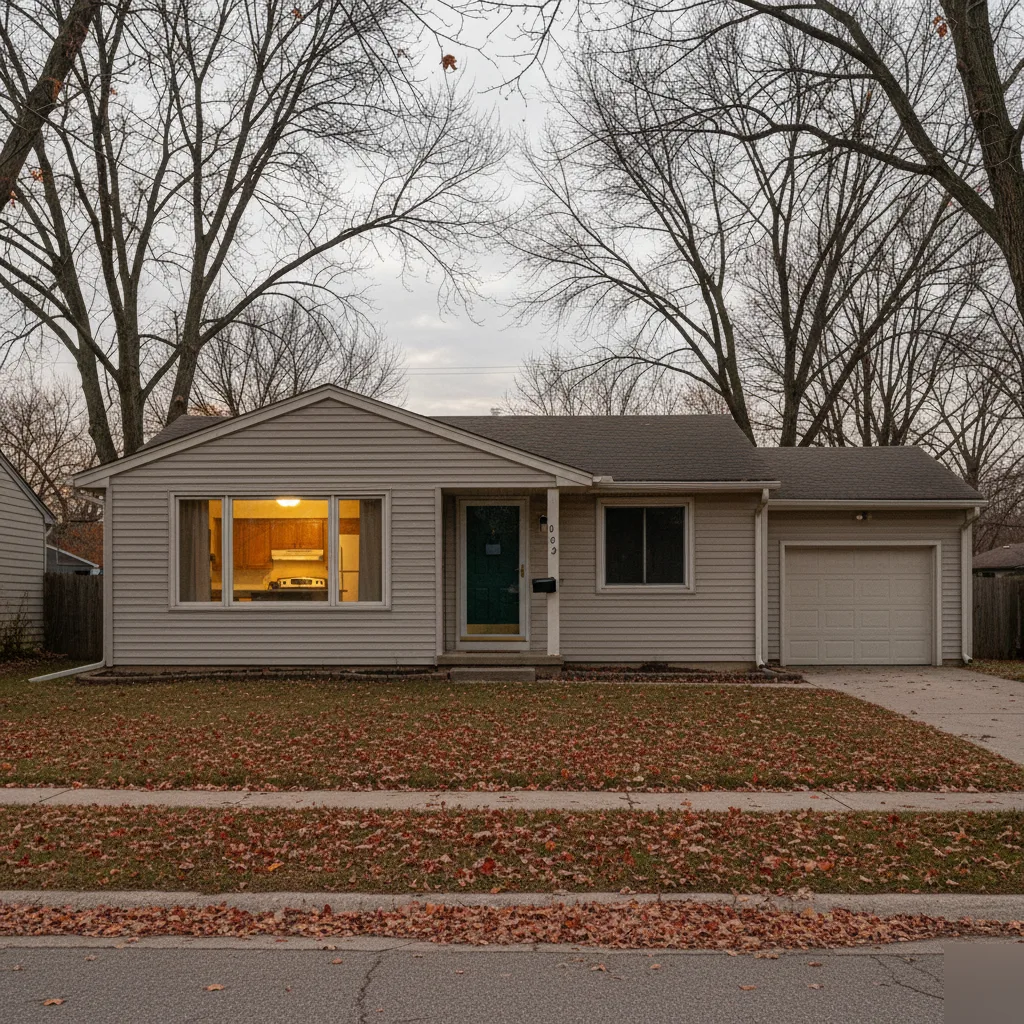
Most problems show up when you try to sell your home. The buyer's inspector finds electrical work behind the kitchen walls — work that was never permitted. Or the appraiser flags a layout change that doesn't match the original building records on file with Hendricks County. Now you're stuck. The buyer might want a big price reduction or walk away completely. You could end up tearing out finished work just to get it inspected and permitted after the fact. Unpermitted work is one of the most common reasons residential real estate deals fall through.
That's a very hard lesson to learn.
Fines and Stop-Work Orders
Brownsburg's building department can issue a stop-work order if they discover construction happening without a permit. This means everything stops. Your contractor has to leave the job. Your kitchen sits there, half-finished. And you'll have to apply for the permit you should have pulled in the first place — paying the original fee plus a penalty — then wait for an inspector's schedule to open up.
Fines vary, but they can easily double or triple the original permit cost. The real expense, though, is the delay. A kitchen remodel that should take a few weeks can stretch into months when a stop-work order lands right in the middle of it.
Insurance Might Not Cover It
If unpermitted electrical work causes a fire, your homeowner's insurance company has strong grounds to deny the claim. The same goes for water damage from improperly permitted plumbing. The insurance adjuster will check for permits — that's standard procedure. And if the work wasn't inspected and approved, you could be on the hook for the full cost of repairs.
Permits exist because kitchen remodels involve systems that can pose real risks — gas lines, electrical panels, load-bearing walls. An inspector's job is to catch mistakes before they become dangerous. Skipping that step means nobody with trained eyes ever verified the work was done safely.
Fixing It After the Fact
You can usually apply for a retroactive permit. Here's how that process generally looks:
- Contact the Brownsburg building department and explain the situation
- Submit your permit application with details about the work already finished
- An inspector visits your home to evaluate the completed work
- If the work meets code, you pay the permit fee plus any penalties
- If the work doesn't meet code, you bring it up to standard before the permit can close out
Sometimes this means opening up walls that were just finished. Sometimes it means redoing plumbing connections. The team has helped homeowners navigate this exact situation in neighborhoods all over Brownsburg. And it always costs more money and more time than doing it correctly the first time.
A permit for a kitchen remodel is a small investment compared to the cost of unraveling a big mess later. If you're planning a kitchen remodel and aren't sure what permits you'll need, reach out to the team before any work begins. Getting it right from the start saves time, money, and a whole lot of stress.
Frequently Asked Questions
Do I need a permit just to replace my kitchen cabinets in Brownsburg?
No, replacing cabinets alone does not require a permit in Brownsburg. Swapping out old cabinets for new ones is considered cosmetic work. No structural changes, no new wiring, no plumbing moves — no permit needed. But if your cabinet project includes adding an outlet, moving a light fixture, or relocating a sink, those parts of the job do need permits. The cabinet swap itself is fine. The work behind the walls is what triggers Hendricks County's review process.
What happens if I skip the permit and sell my home later?
Skipping a permit can cause serious problems when you sell your Brownsburg home. A buyer's inspector will flag unpermitted work. The appraiser may have questions about it too. In many cases, you'll have to open finished walls so an inspector can verify what's behind them. That's an expensive fix after the fact. Permits protect your home's resale value. They also protect the next family living there. Getting the permit right the first time is always the smarter path.
Is the permit process in Brownsburg difficult or slow?
Most straightforward kitchen remodel permits in Brownsburg move pretty quickly. Hendricks County Building Department typically reviews standard residential permits within a few business days. You submit your project scope and a basic floor plan showing the changes. Electrical and plumbing permits are separate from the general building permit, so one project can involve two or three permits total. It's an extra step, but it's not the long, painful process many homeowners expect. Planning ahead keeps your project on schedule.
Does moving a light switch really need a permit?
Yes, moving a light switch does require an electrical permit in Brownsburg. Many homeowners assume small electrical changes don't count. That's a common misconception. Hendricks County follows the National Electrical Code. Inspectors check wire gauge, box fill, and GFCI protection near sinks. Even minor wiring changes behind the wall are subject to inspection. If you're planning a kitchen remodel and want to understand which permits apply to your specific project, our kitchen remodeling page walks through the full process.
Why do so many Brownsburg homes need a structural permit just to open up the kitchen?
Brownsburg has a lot of homes built in the 1990s and 2000s. In those ranch-style and two-story layouts, the wall between the kitchen and dining room is often load-bearing. It's one of the most common remodel requests we see here. Removing that wall without a structural permit — and without an engineer signing off — is a serious code violation. It also puts your home at real risk. If you want that open-concept look, plan for the structural permit from the start.
Do HVAC changes during a kitchen remodel need a separate permit in Brownsburg?
Yes, HVAC changes require a mechanical permit in Brownsburg. This one surprises a lot of homeowners. If your kitchen remodel involves rerouting ductwork or adding a return vent, that work falls under Hendricks County's mechanical permit process. It's separate from your building, electrical, and plumbing permits. Many homeowners don't find out until their contractor brings it up mid-project. Knowing this ahead of time keeps your timeline and budget on track from day one.