
Brownsburg, IN
Sunroom Permit in Brownsburg, IN: What You Need to Know
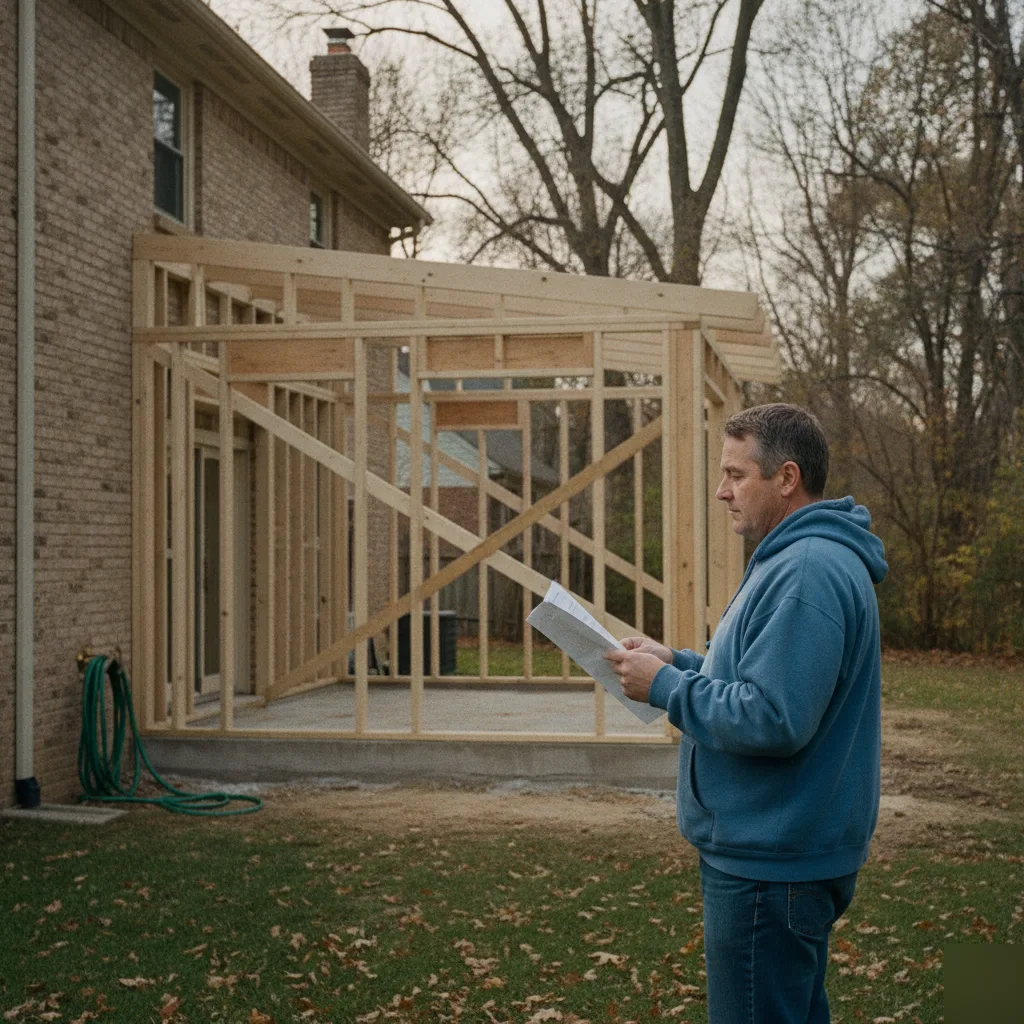
Yes, Most Sunroom Additions in Indiana Require a Building Permit
If you're asking about a sunroom addition in Brownsburg, IN, do you need a permit? The quick answer is always yes. Nearly every sunroom project here calls for a building permit from the Hendricks County Building Department. There's no getting around this. A sunroom adds new square footage to your home. It changes the structure. It hooks into your existing home's systems. This is exactly the kind of work local code covers.
The team sees homeowners caught off guard by this all the time. Folks assume a sunroom is just like a patio cover or a simple screened porch. But once you attach a new structure to your house and set it on a foundation, the rules change fast. We've seen projects stall because this wasn't clear early on.
Here's what usually kicks off that permit requirement:
- New foundation work. Whether you're pouring a concrete slab or digging frost-protected footings, any new foundation in Hendricks County needs a green light.
- Structural tie-in to your home. Connecting a new room to your house's frame shifts the load. Inspectors must check that.
- Electrical and HVAC connections. Running new wiring or ductwork into the sunroom means separate electrical and mechanical permits.
- Changes to your home's footprint. Brownsburg zoning has setback rules. Your sunroom can't push into those required side-yard or rear-yard distances.
And here's the detail most folks miss. Even a three-season sunroom, the ones without heating or cooling, still needs a permit. The structure itself is what matters for permitting, not whether you plan to use it all year. The town wants to know it's built soundly.
What Happens If You Skip the Permit
Some people figure they can skip the hassle. It's a bad move. An unpermitted sunroom causes big problems down the road. If you ever sell your house, a title search or home inspection will flag that addition. A buyer's lender might refuse to close until everything is sorted. That can mean getting retroactive permits, paying fines, or even tearing out work that doesn't meet code. Nobody wants that headache.
The team has walked into plenty of situations where a homeowner hired someone years ago who ignored permits. The sunroom looked fine. But the footings were too shallow for Indiana's frost line. That's a structural failure just waiting. We see this often in older Brownsburg subdivisions where quick fixes were more common.
Indiana's frost depth sits around 30 to 36 inches in the Brownsburg area, based on the Indiana Residential Code. Footings that don't get below that frost line will heave and crack over time. An inspector catches this during the permit process. Without a permit, no one checks. It's a basic part of building it right.
The Permit Process Is Simpler Than You Think
Getting a sunroom permit in Brownsburg actually follows a clear path:
- Submit your construction plans to the Hendricks County Building Department. These must show dimensions, materials, and how the sunroom connects.
- A plan reviewer checks your drawings against local zoning and the Indiana Residential Code.
- Once approved, you get the permit. Then construction can start.
- Inspectors visit at key stages. Foundation, framing, electrical, and a final walkthrough.
- After the final inspection passes, the permit closes. Your addition is on record.
Most permits in Brownsburg get reviewed within a couple of weeks. So it doesn't add months to your timeline. It adds peace of mind. And that's worth a lot.
But skipping any step puts your investment at risk. A permitted sunroom protects your home's value and keeps your family safe. If you're planning a sunroom addition and want the permit process to go smoothly from day one, reach out to the team for a free estimate. We'll make sure it's done right.
Three-Season vs. Four-Season Sunrooms: How the Type Affects Your Permit
Not all sunroom additions go through the same permit process. The type you pick changes what Brownsburg's building department needs to look at. And it changes how much structural work your home really needs. This is a common point of confusion.
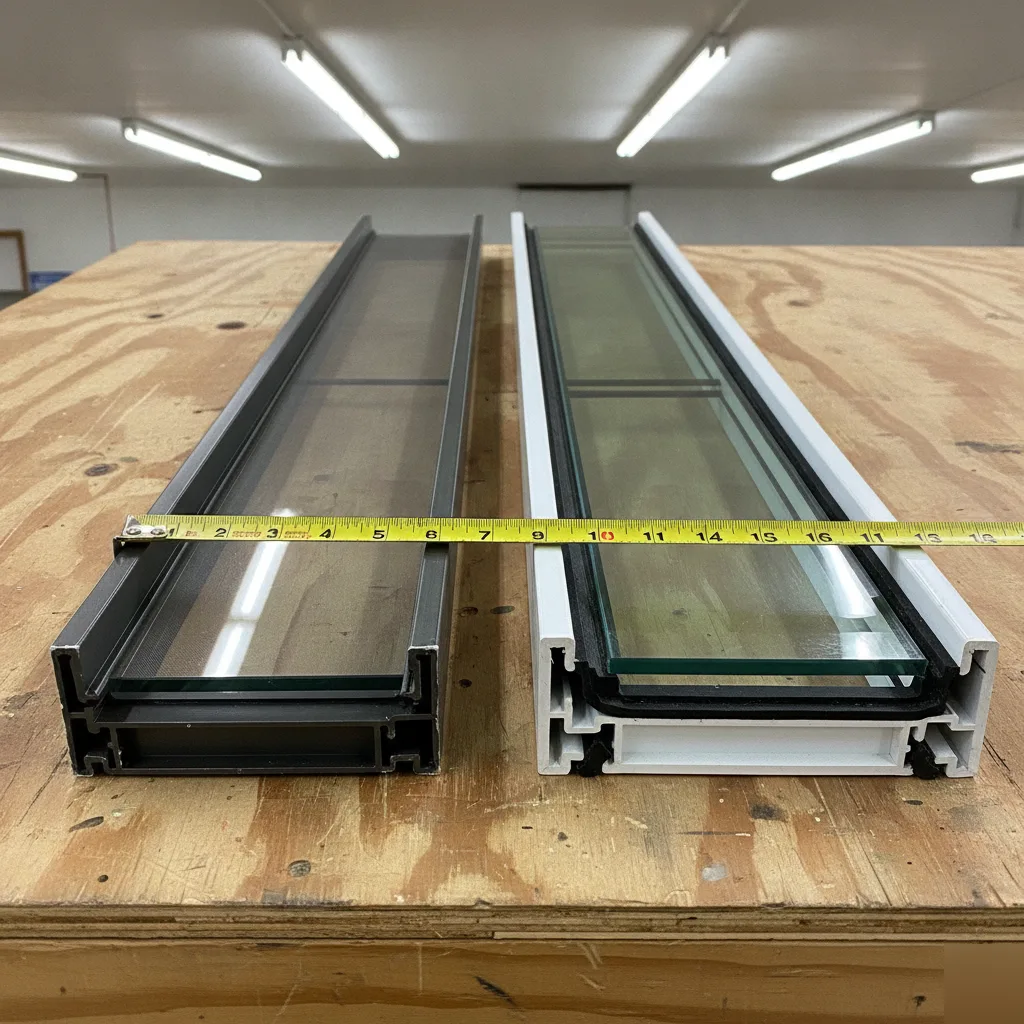
A three-season sunroom is the simpler build. It sits on a lighter foundation, often a concrete slab or a reinforced deck. The walls are usually screen panels or single-pane glass. There's no HVAC hook-up, no insulation in the walls, no heated space. The town still requires a building permit for this kind of room. But the review is faster because the structural demands are lower. We've noticed these are popular for homes in the Arbor Mills subdivision, where extra living space for spring and fall is a big draw.
Where Four-Season Sunrooms Get More Complex
A four-season sunroom is a fully conditioned living space. That means insulated walls, double or triple-pane windows, and a connection to your home's heating and cooling system. In Brownsburg, this triggers a more involved permit review. The building department treats it closer to a standard room addition, meaning more scrutiny.
Here's what typically applies to a four-season sunroom permit:
- A deeper frost-line foundation, often 42 inches in Hendricks County.
- Structural engineering plans showing how the new room connects to your existing home.
- Electrical permits for outlets, lighting, or ceiling fans.
- Mechanical permits if you're extending ductwork or adding a mini-split unit.
- Possible plumbing permits if the design includes a wet bar or sink.
The team sees homeowners underestimate this all the time. They picture a sunroom as just a simple glass box on the back of the house. But once you add climate control, the permit requirements jump. So does the number of inspections you'll need to pass. It's a bigger project, and the paperwork reflects that.
Three-season rooms avoid most of those mechanical and electrical requirements. That's the big difference from a permit standpoint. You're still looking at a building permit and at least one or two inspections. But the process moves quicker. You'll still need to confirm your deck or foundation can handle the weight.
Which One Fits Your Home?
Think hard about how you'll actually use the space. A three-season room works great from April through October in Brownsburg. You get natural light, fresh air, and a bug-free spot to relax. But once November hits and that Midwest chill sets in, that room sits empty until spring. We see a lot of these in homes built in the early 2000s.
A four-season sunroom adds usable square footage all year. It also adds appraised value to your home. The National Association of Home Builders notes that enclosed additions with climate control count as livable square footage in appraisals. That really matters if you're planning to sell down the road. It adds real value.
But here's a practical truth most people don't hear until the project starts. Four-season sunrooms in older Brownsburg homes sometimes need an electrical panel upgrade to handle the added load. That's another permit, another inspection, and more time on the calendar. This is especially true for homes built before 1990 near Brownsburg High School.
When planning a four-season sunroom, window selection also matters for energy performance. Choosing energy-efficient windows for home additions can reduce heating and cooling costs significantly, which is especially important in Brownsburg's cold winters and humid summers. ENERGY STAR-rated products meet strict performance standards set by the U.S. Environmental Protection Agency. If you're unsure which direction makes sense for your home, talking through the permit implications early saves real headaches. The team can walk you through what each option requires before you commit to a design. Reach out to get started on your sunroom addition services and know exactly what permits you'll need before the first shovel hits dirt. Call us at (317) 523-8886. One more thing worth knowing. Switching from a three-season plan to a four-season plan mid-project means resubmitting permits. That causes delays, added costs, and frustration you can avoid by deciding upfront. It's best to plan ahead.
What the Sunroom Permit Process Looks Like in Brownsburg
Most homeowners expect the permit process to be confusing. It's not, once you break it into clear steps. The team has walked dozens of Brownsburg homeowners through this exact sequence. It follows a very predictable path every time. We make sure our clients understand it all.
Here's what the process looks like from start to finish:
- Check your property's zoning. Before anything else, confirm your lot's zoning with the Brownsburg Planning Department. Most residential properties here fall under R-1 or R-2 zoning. Your setback requirements depend on this. A sunroom too close to a side or rear property line won't get approved. No matter how good the plans look.
- Prepare your construction drawings. You'll need a site plan showing the sunroom's location on your lot. You'll also need structural drawings, framing details, and electrical plans if the room includes wiring. The Town of Brownsburg requires these to be detailed. A plan reviewer needs to verify code compliance.
- Submit your permit application. Applications go through the Brownsburg Building Department. You'll fill out a standard building permit form and attach your drawings. The team typically handles this step for homeowners. It saves a lot of back-and-forth.
- Wait for plan review. Brownsburg's review timeline varies. Simple sunroom additions sometimes clear review in a week or two. More involved projects with foundation work or HVAC changes can take longer. Don't schedule your contractor to start until you have the approved permit in hand. This is important.
- Schedule inspections during construction. Once approved, the permit lists required inspection points. Expect at least a footing or foundation inspection, a framing inspection, and a final inspection. Each one has to pass before work continues to the next phase.
- Get your final sign-off. After the last inspection passes, the Building Department closes out the permit. This matters more than people realize. An open permit can cause problems when you sell your home.
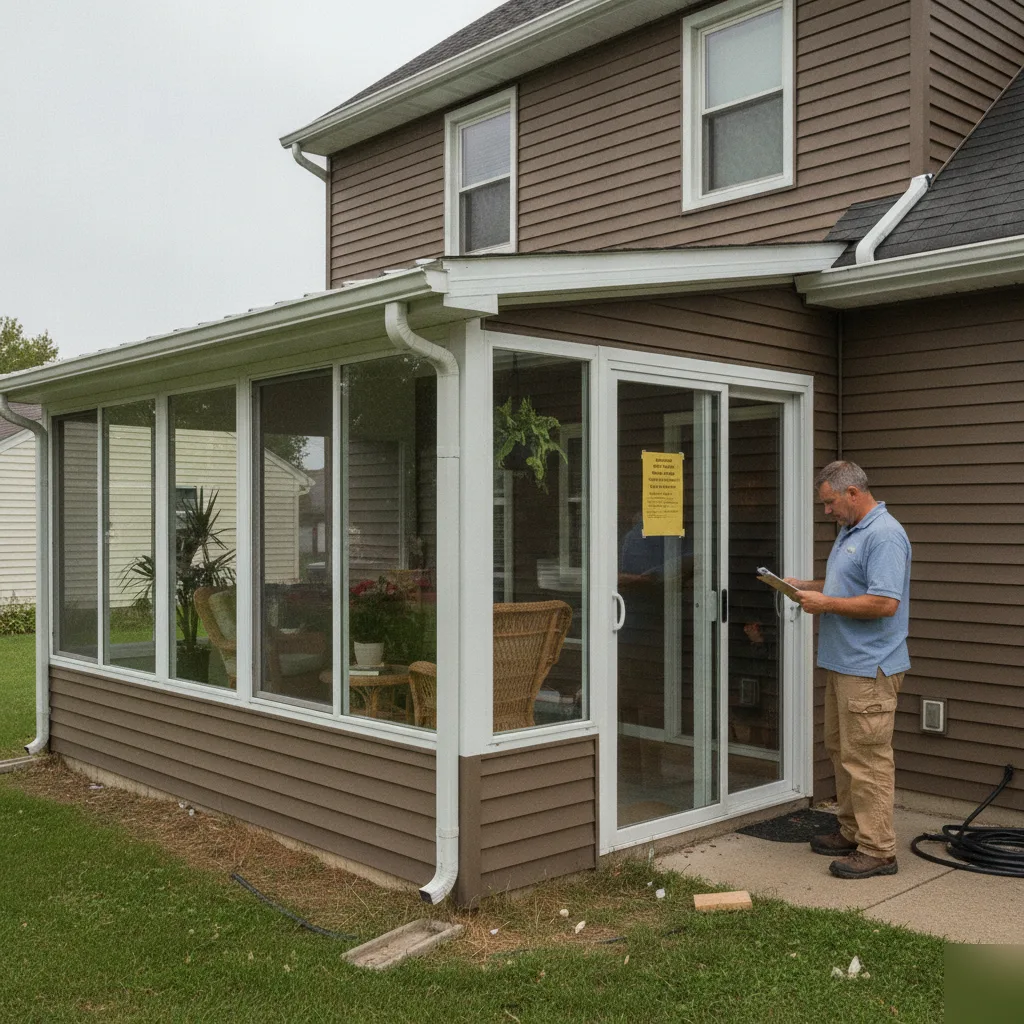
One thing the team sees regularly in Brownsburg neighborhoods near Arbuckle Acres Park and along the older streets off Green Street: homeowners assume a three-season room or screened porch doesn't need a permit. That's not how it works. If you're adding a structure with a roof and a foundation, the town treats it as new construction. It's the same basic rule as adding a garage.
And here's a detail that catches people off guard. If your sunroom connects to your home's HVAC system, you may need a separate mechanical permit. This is on top of the building permit. Same goes for electrical and plumbing if you're adding outlets or a sink. It all adds up.
The permit process protects you. It makes sure the sunroom is built to Indiana's residential building code. It confirms the structure can handle Hendricks County's freeze-thaw cycles, wind loads, and snow loads. Skipping it doesn't just risk a fine. It risks a room that fails in five years. And that's a real mess to fix. We've seen it firsthand.
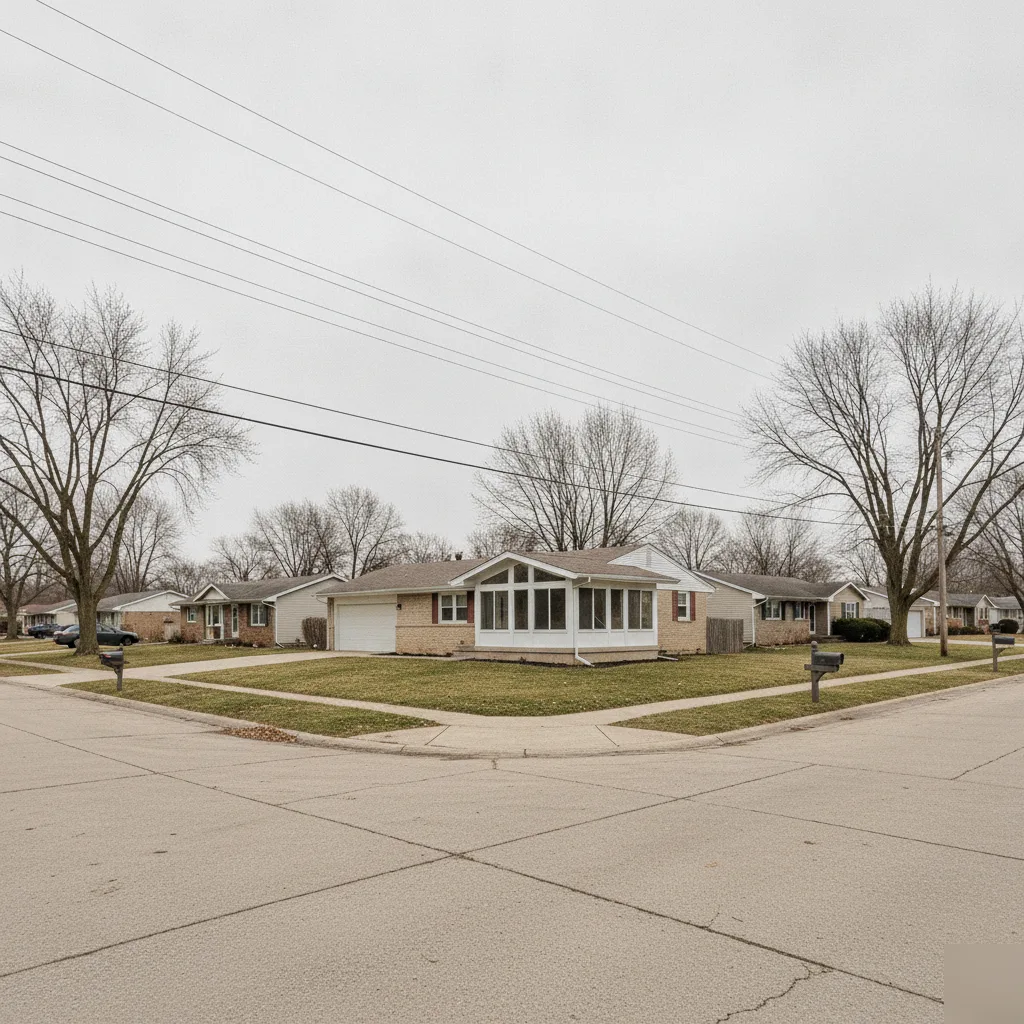
A good contractor handles most of this legwork for you. If you're planning a sunroom addition in Brownsburg, reach out to the team. We'll walk you through every step before a single board gets cut. Visit tbrodnikgroup.com to get started.
Frequently Asked Questions
Does Brownsburg require a permit even for a small three-season sunroom?
Yes, Brownsburg requires a building permit for three-season sunrooms, even without heating or cooling. The structure itself triggers the requirement — not how you plan to use the room. Any new structure attached to your home and set on a foundation falls under Hendricks County Building Department review. The good news is that three-season rooms usually move through the review process faster. The structural demands are simpler, so the permit stage doesn't slow your project down much.
What is Indiana's frost line, and why does it matter for my sunroom permit in Brownsburg?
Indiana's frost depth runs about 30 to 36 inches in the Brownsburg area, based on the Indiana Residential Code. Footings must go below that depth so the ground freezing in winter doesn't push them up. If footings are too shallow, the foundation heaves and cracks over time. Inspectors check this during the permit process. Without a permit, nobody verifies the depth — and that's how structural problems start years later without any warning.
What's a common mistake Brownsburg homeowners make when planning a sunroom addition?
The most common mistake is assuming a sunroom works like a patio cover or screened porch — and skipping the permit. Once you attach a new structure to your home and pour a foundation, local code applies right away. Homeowners in older Brownsburg subdivisions sometimes discover this the hard way when selling their home. A title search or inspection flags the unpermitted addition, and sorting it out can delay or even kill a sale. Starting with the permit avoids all of that.
How does a four-season sunroom differ from a three-season room when it comes to permits in Brownsburg?
A four-season sunroom requires more permits than a three-season room. Because it connects to your home's heating and cooling system, you'll need mechanical permits in addition to the standard building permit. Electrical permits apply for outlets and lighting. The Hendricks County Building Department also treats it more like a full room addition, so you may need structural engineering plans. Three-season rooms skip most of those mechanical and electrical requirements, making the permit process shorter and simpler.
What happens if you sell a Brownsburg home with an unpermitted sunroom?
Selling a Brownsburg home with an unpermitted sunroom can stall or stop the sale entirely. A buyer's lender may refuse to close until the addition is permitted and inspected. That can mean retroactive permits, fines, or tearing out work that doesn't meet code. If you're planning a sunroom addition and want to protect your home's value from day one, our sunroom addition services page walks through how we handle the full permit process with you.
How long does the sunroom permit review take in Brownsburg?
Most sunroom permits in Brownsburg get reviewed within a couple of weeks by the Hendricks County Building Department. It doesn't add months to your project. You submit your construction plans showing dimensions, materials, and the connection to your home. A plan reviewer checks everything against local zoning and the Indiana Residential Code. Once approved, construction starts. Inspectors visit at key stages — foundation, framing, electrical, and a final walkthrough. After the final inspection passes, your addition is officially on record.