
Brownsburg, IN
Do I Need a Permit for Door and Window Installation in Brownsburg, IN?
Same-Size Replacement vs. Structural Change: The Real Permit Line
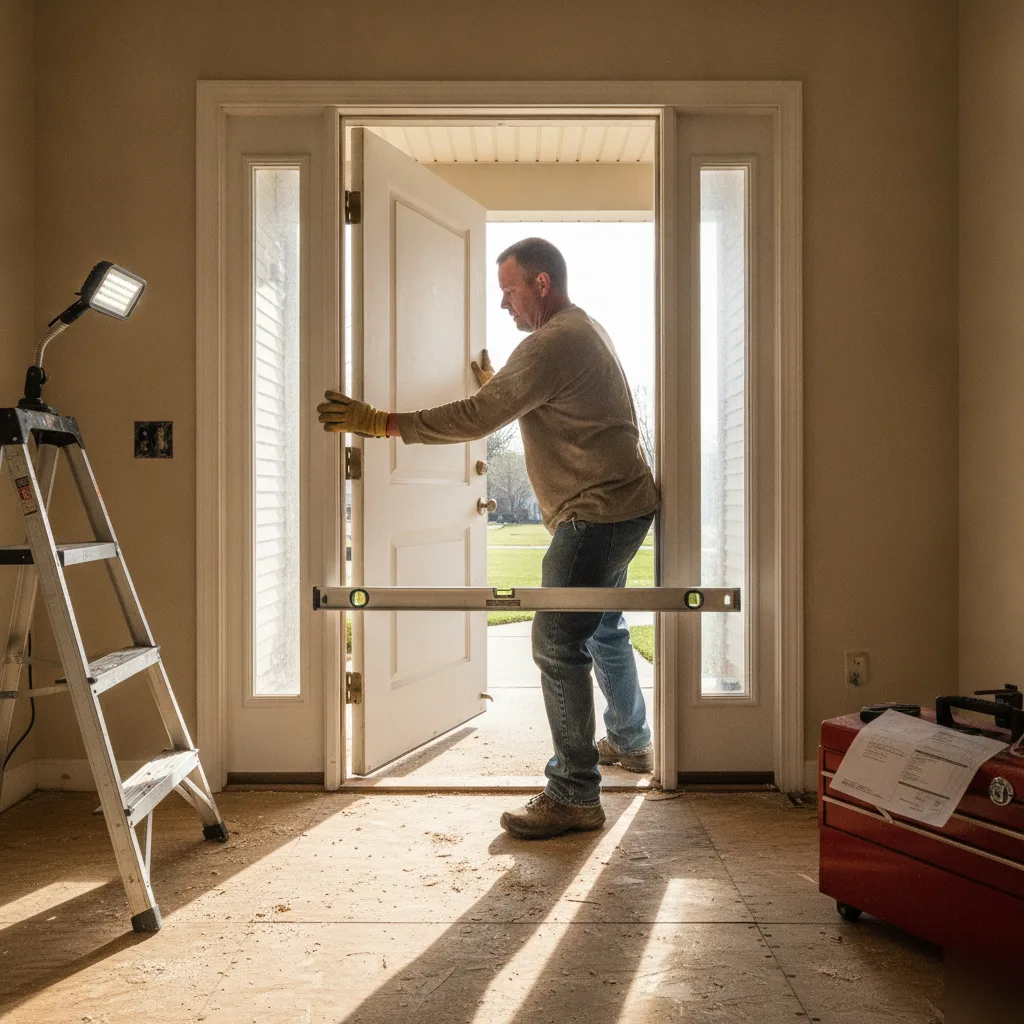
Many Brownsburg homeowners get tripped up right here. The permit question really boils down to one simple thing. Are you changing the size of the opening? Or not? That detail draws a clear line. It separates a simple swap from a job needing a building permit.
When we talk about a same-size replacement, it means your new door or window fits the exact opening you already have. No framing cuts. Headers stay put. The rough opening dimensions don't change at all. This is the kind of straightforward swap a professional window installation contractor in Brownsburg handles regularly, and usually the Town of Brownsburg doesn't ask for a permit for it. You're swapping a part. Your home's structure stays the same.
But the moment you want a bigger window for your kitchen, or you'd like to widen a doorway, that's a structural change. The team sees this happen constantly with homeowners near Arbuckle Commons and the older neighborhoods along Green Street. Someone wants to swap a small bathroom window for something larger. It seems simple enough. It's not.
What Counts as Structural Change
Cutting into wall framing triggers permit requirements. The team sees this as a common point of confusion for folks who just want a fresh look for their home. Adding a new opening where one didn't exist before? That also counts. Here’s what falls on the structural side, and what usually means a permit is needed:
- Making a window opening wider or taller than the original
- Converting a window into a door, or a door into a window
- Adding a brand-new window or door where there's only solid wall
- Removing or relocating a load-bearing header above an opening
Any of these changes mess with how your home carries weight from the roof down through the walls. That’s why Hendricks County requires inspections for this kind of work. A load path that gets missed or isn't built right can cause sagging, cracking, and long-term damage. And that damage costs far more to fix than the original project., this is the part most people overthink, but it's really about safety and the home's bones.
The Gray Area That Trips People Up
Some jobs feel like simple replacements, but they aren't. The team runs into this a few times every year. A homeowner orders a patio door to replace an old sliding door. Same wall, same spot. But the new door is two inches wider. That two-inch difference means the framing has to be modified. A new header gets installed. Now, you need a permit. It is what it is.
Same thing happens with egress windows in basements. Indiana's residential building code, based on the IRC, requires specific minimum sizes for basement egress. If your existing window doesn't meet those dimensions, the opening has to grow. That's structural work, and it needs a permit plus inspection. You'll notice this is a common issue with many of the split-level homes built around Brownsburg in the 80s and 90s.
Many homeowners don't realize this until they're already shopping for windows. And by then, they’re often frustrated. On the flip side, swapping your front entry door for a new one that fits the same 36-inch frame? No structural change. No permit needed in Brownsburg. The job can move forward quickly. The practical takeaway is straightforward. Measure your existing openings before you start planning.
If your new door or window installation fits those exact dimensions, you're likely in the clear. If anything about the opening needs to change, even by a small amount, plan on pulling a permit through the Town of Brownsburg's building department. Getting this right at the start saves you from failed inspections, project delays, and potential problems when you sell your home down the road. Not sure whether your project crosses that line? The team can walk through your specific situation and help you figure out exactly what's needed before any work begins. Reach out to get started on your door and window installation project.
Why 'Same Size' Isn't Always What It Seems
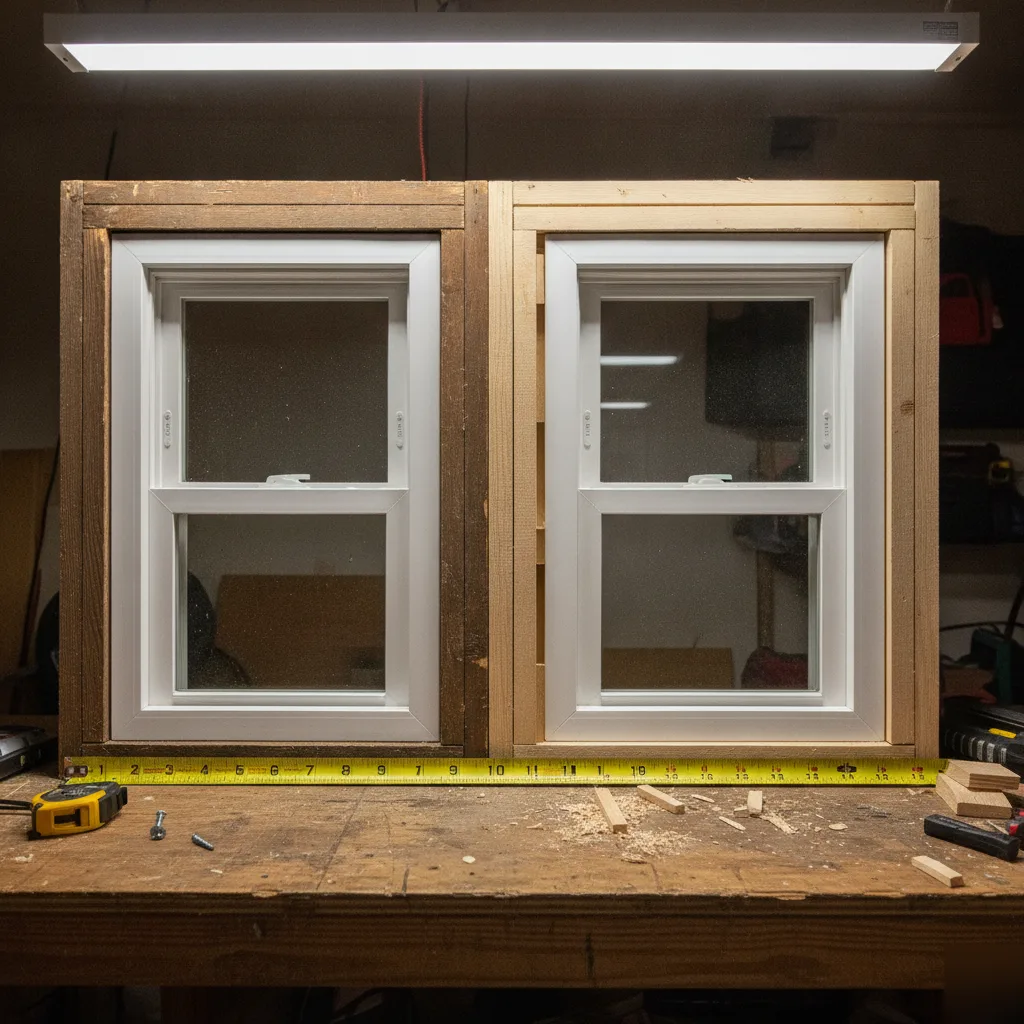
Here's something that trips up a lot of homeowners in Brownsburg. They think replacing a window with the same size window means no permit is needed. Sounds logical, right? But the reality is more complicated than that. The term "same size" gets misunderstood constantly.
A rough opening might measure the same, but the actual unit dimensions can shift. Manufacturers change specs between product lines. A window that was 36 by 48 ten years ago might now be 35.5 by 47.5 in the same brand's current lineup. That half-inch difference matters more than you'd think. It can force frame modifications, and that's the kicker.
When the Opening Changes, Everything Changes
If a contractor needs to cut into framing to fit a new window or door, that's structural work. Structural work almost always triggers a permit requirement, even if the finished product looks identical from the street. The team sees this happen often with older homes near Arbuckle Acres and along the corridors closer to downtown Brownsburg. Homes built in the 1970s and 1980s have framing that doesn't always match modern standard sizes. So, while the visual might be the same, the effort under the surface is not.
And it's not just about width and height. Depth matters too. Newer energy-efficient windows tend to be thicker. If your existing jamb depth can't handle the new unit, the installer has to modify the surrounding wall. That modification can require inspection. We see this especially in homes built before the late 90s, where wall depths were often narrower.
Material Swaps Can Trigger Permits Too
Swapping from wood to vinyl, or from single-pane to triple-pane, changes the weight load on the header. This detail catches people off guard almost every time. A heavier unit puts different stress on the framing above it. The International Residential Code addresses load-bearing requirements for headers above openings. Brownsburg follows Indiana's adopted version of that code. This means even if the hole in your wall stays exactly the same, the permit question isn't automatically answered.
Here are common scenarios the team runs into where "same size" still requires a permit:
- The rough opening needs shimming or reframing to accommodate a slightly different unit
- The new door or window is a different material with a different weight profile
- Flashing or weather barrier work extends into the wall cavity
- The existing header doesn't meet current code for the new unit's load
Each of these situations involves work that goes beyond a simple swap. And each one could require the Brownsburg building department to sign off before the project moves forward. It's a layer of complexity that often surprises homeowners.
One scenario the team dealt with recently involved a homeowner replacing a sliding glass door. Same opening, same width. But the new door was a multi-panel system that weighed nearly twice as much. The header above had to be reinforced. That meant a permit, an inspection, and about two extra days on the project timeline. Nobody planned for it because everyone assumed "same size" meant simple. By the way, this happens quite a bit with those big, beautiful patio door systems people want nowadays.
The lesson is straightforward. Don't assume anything based on measurements alone. The permit question depends on what's happening inside the wall, not just what you see from the outside. If you're planning door and window installation for your Brownsburg home, a quick check with the building department saves headaches down the road. Or better yet, work with a contractor who checks before the first board gets cut. The U.S. Department of Energy offers helpful tips for hiring a contractor who understands permit requirements and building codes.
What Happens When You Skip a Required Permit
This is the part that catches people off guard the most. Skipping a permit feels like saving time. It's not. It's creating a problem that follows your home for years. The town of Brownsburg takes building permits seriously. And the consequences of ignoring them go beyond a simple fine.
The Inspection Problem
A permit triggers inspections at key stages. Those inspections confirm the work meets Indiana's residential building code. Without them, nobody verifies that your new window is properly flashed or your door frame is structurally sound. Water damage behind a poorly installed window can go unnoticed for months. The repair bill grows every day it sits hidden inside your wall. We see this unfold too often, especially after a tough Indiana winter.
The team has walked into homes where a previous contractor skipped the permit on a window replacement. The homeowner didn't know until a home inspector flagged it during a sale. That's the worst time to find out. And it often forces a last-minute scramble.
What the Town Can Do
Brownsburg's building department has real enforcement tools. Here's what you could face if unpermitted door and window installation work gets discovered:
- A stop-work order that shuts down your project immediately
- Fines that accumulate daily until you come into compliance
- A requirement to tear out finished work so inspectors can see the framing and flashing underneath
- Delays that push your project weeks or even months past the original timeline
That last one stings the most. Imagine your new patio door is fully installed. Trim is painted. Everything looks great. Then an inspector requires removal so they can verify the rough opening and structural header. You're paying twice for the same work. It’s a frustrating scenario for everyone involved.
The Resale Trap
Selling a home in Hendricks County means dealing with sharp home inspectors and careful buyers. Unpermitted work shows up. It shows up in property records that don't match the current condition of the house. It shows up when a buyer's inspector notices a window size that doesn't match the original plans on file. Buyers can walk away from a deal over unpermitted work. Or they negotiate the price down hard, sometimes by more than the original project cost. So that shortcut you took to save a few days? It just cost you thousands at closing.
But here's the thing that really matters. Your homeowner's insurance may not cover damage related to unpermitted work. According to the International Code Council, building codes exist specifically to protect life safety and property. If your insurer finds out a failed window installation lacked a permit, they have grounds to deny your claim. That's a risk no homeowner should take, especially with the weather we get here in Central Indiana.
A Real Scenario Worth Knowing
A homeowner near Arbuckle Acres had three windows replaced without a permit a few years back. Everything seemed fine until heavy rain exposed a flashing failure on the second floor. Water ran inside the wall cavity for two seasons. By the time they noticed staining on the drywall, mold had spread across six studs. The insurance company asked for the permit number. There wasn't one. That family paid out of pocket for mold remediation, new framing, new drywall, and new windows. The original job would have cost a fraction of the final bill. We see how this plays out.
Getting the permit right the first time is always cheaper than fixing what goes wrong without one. It is a true statement. If you're planning door and window installation in Brownsburg, talk to the team about handling permits the right way before any work begins. Get in touch with us today for a free estimate.
Frequently Asked Questions
How do I know if my door or window project needs a permit?
The size of the opening tells you the answer. If your new door or window fits the exact same rough opening, you likely don't need a permit. If the opening gets bigger, smaller, or moves, the Town of Brownsburg will want a permit and inspection. Measure your current opening before you shop for a replacement. This one step saves you from surprises once the work begins.
What's the difference between a same-size replacement and a structural change?
A same-size replacement keeps the framing, header, and rough opening untouched. A structural change means someone cuts into the wall framing to make the opening bigger, smaller, or new. Structural changes affect how your home carries weight, so they almost always need a permit. Many Brownsburg homeowners assume a same-look window means no permit. That's not always true, especially with newer, thicker window units.
Can I install a new window or door myself without a permit?
You can handle a simple same-size swap without a permit in most cases. But once framing gets cut, or a header moves, that's a job for a licensed professional working under permit. Skipping this step can lead to failed inspections later, or safety issues you can't see. If you're unsure which category your project falls into, it helps to have someone check the opening first.
Why do older homes in Brownsburg often need permits for window changes?
Older homes near Arbuckle Acres and along the corridors closer to downtown Brownsburg were framed to different standards. Rough openings from the 1970s and 1980s often don't match today's window sizes. Even a half-inch difference can force a contractor to modify the frame. That modification counts as structural work, which means a permit is required. This is one reason many older Brownsburg homes need more planning than newer builds.
Do basement egress windows need a permit if I make them bigger?
Yes, enlarging a basement egress window almost always needs a permit. Indiana's residential code sets minimum sizes for basement egress windows, based on the IRC. If your current window is too small, the opening has to grow to meet code. That growth is structural work, and Hendricks County requires inspection for it. Split-level homes built around Brownsburg in the 80s and 90s run into this issue often.
What should I do if I'm not sure whether my project needs a permit?
Start by measuring your existing opening and comparing it to your planned door or window. If the dimensions match, you're likely fine without a permit. If anything changes, even slightly, plan for a permit through the Town of Brownsburg's building department. For a clearer answer specific to your home, our door and window installation services in Brownsburg team can walk through your project before any work starts.