
Brownsburg, IN
Do I Need a Permit for Siding Installation in Brownsburg?
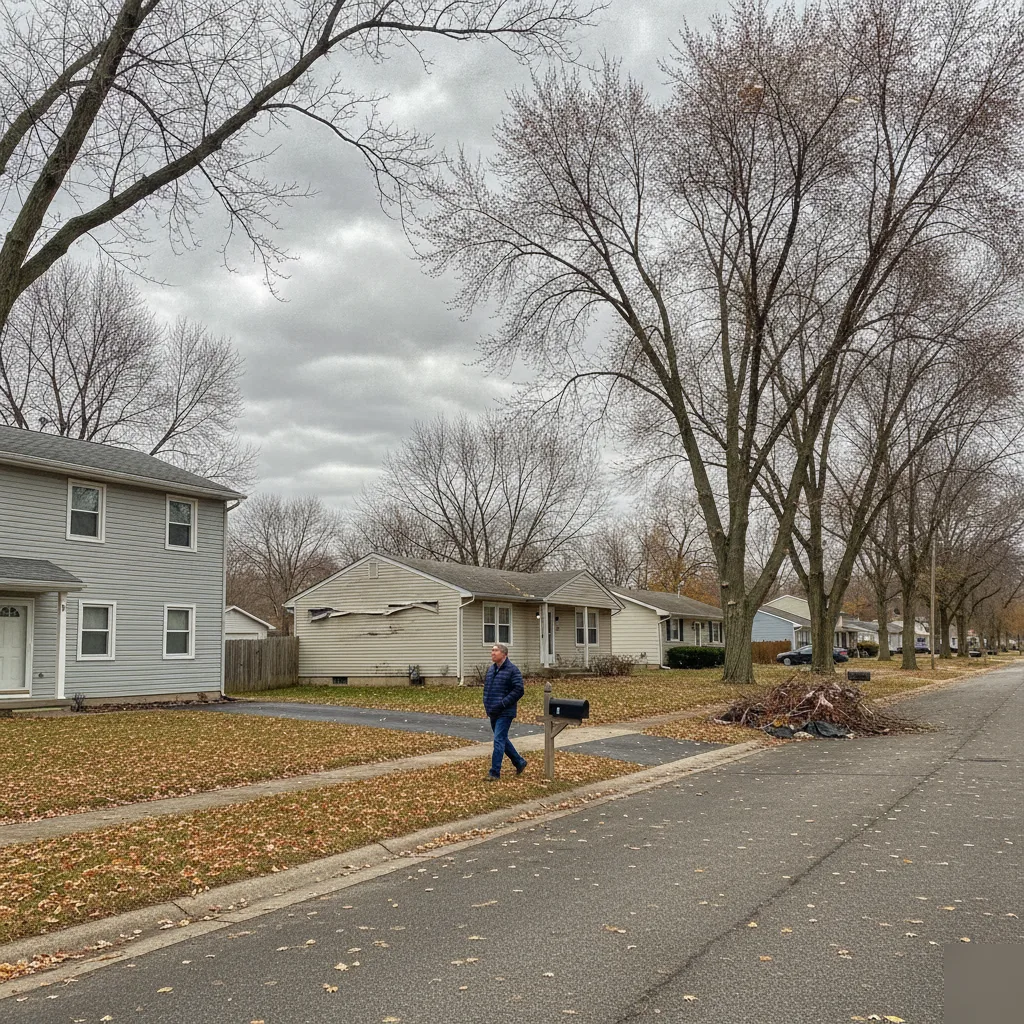
Why 'Do I Need a Permit' Is the Wrong First Question
Most folks here in Brownsburg, Indiana, kick off their siding project with one specific question: "Do I need a permit for siding installation in Brownsburg?" It’s a completely fair question, and it’s one we hear often. But, it’s not the place to start when you’re thinking about renovating your home’s exterior.
The smarter, more practical question to ask yourself is this: what kind of work is going to happen to your home?
You see, a permit isn't just a piece of paper you get from the town. It ties directly to the scope of the work you plan to do. And that scope, it truly changes everything about the project. Just replacing a few damaged panels on one side of your house is a very different job compared to stripping all the siding off your entire home, adding new insulation board underneath, and then installing new material from the ground up. Local siding installation specialists know the permit rules shift a lot based on the exact work you're doing, not just on the simple fact that siding is involved in some way.
Scope Drives the Permit, Not the Material
The team here sees this mix-up constantly. A homeowner calls us up and says, "I'm putting up new vinyl siding. Do I need a permit?" And, it’s never a simple yes or no answer for us. The real answer depends entirely on whether that project involves making structural changes to your home. If, for instance, you're taking off old siding and the sheathing underneath turns out to be rotted or damaged, that counts as structural work. Or if you’re changing window trim profiles, or perhaps altering the drainage plane hidden behind the cladding, those kinds of changes affect your home's critical weather barrier. These smaller, hidden details count more than the specific siding material you choose, like whether it’s vinyl or fiber cement.
Brownsburg follows the town's building code, which aligns closely with Indiana's residential code standards. The Brownsburg Planning and Building Department is the office that handles permits for exterior renovations. Their main concern isn't whether you decided on fiber cement or traditional vinyl. They want to understand if the work you're doing impacts your home's structural integrity, its energy envelope (how well it keeps heat and cold out), or its compliance with local setback and zoning regulations. Those are the big questions for them.
What Happens When You Skip This Step
Here’s a real-world scenario the team has unfortunately walked into more than once, a story we hear in communities around Brownsburg. A homeowner hires someone for a full siding installation. But nobody bothers to pull a permit. The crew tears off the old clapboard, only to find deeply rotted sheathing along the entire north wall of the house. They patch it quickly, cover it up with new siding, and then move on to the next job. Six months later, the homeowner decides to sell their house. The home inspector for the potential buyer flags unpermitted work right away. Now there’s a serious problem, and it costs real money to fix. It also takes real time to resolve, often delaying or even canceling the sale.
Unpermitted work can literally stall a home sale in its tracks. It might even void your homeowner's insurance claim if moisture damage shows up later and can be traced back to the unpermitted work. And it can also create lasting code violations. Those issues stay on your property record with the town of Brownsburg for years.
So, the actual first question you should be asking isn't really about the permit at all. It’s about genuinely understanding every detail of what your siding installation involves. Once you know the full scope of the job, the permit question usually answers itself quite clearly.
- Simple re-siding over existing material, with no structural changes, often won't require a permit in Brownsburg.
- A full tear-off with sheathing repair or replacement will typically demand one.
- Any changes to window or door openings during a siding installation project will definitely trigger a permit.
- Adding rigid foam insulation under new siding? That can alter your home's energy compliance status, which also requires a permit.
A dependable contractor figures all this out before the first board ever goes up. Not after the fact. Before starting any siding work, it's really important to have someone inspect what’s underneath your current siding first. That initial inspection will tell you far more than any generic Google search about permits ever could, giving you the solid facts you need to move forward.
Repair vs. Replacement: When Scope Crosses the Permit Line
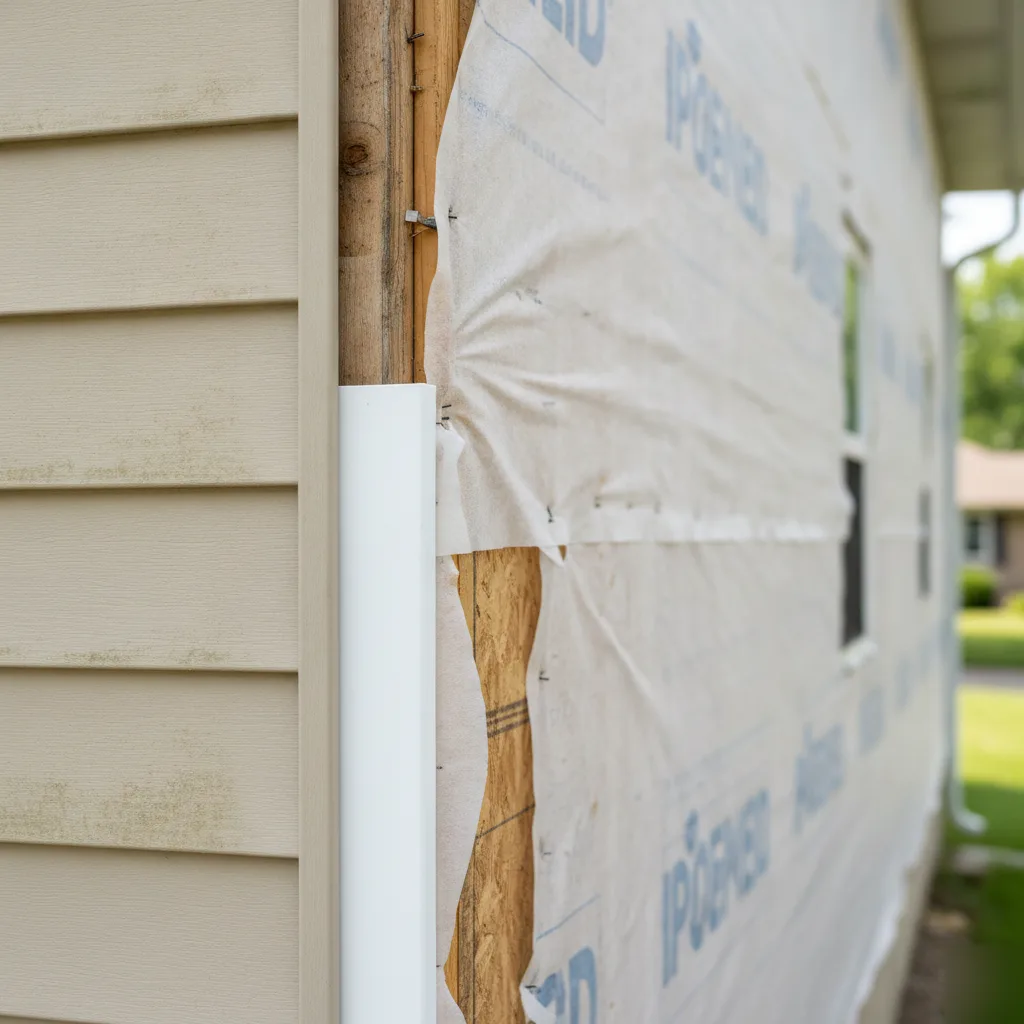
This is where most Brownsburg homeowners, especially those with homes built in the 90s or 2000s, tend to get tripped up. You start with what seems like a small repair, maybe just a few damaged panels on one wall after a storm. Then, as the work begins, you notice the sheathing underneath feels soft and weak. Before you know it, that "quick fix" has unexpectedly turned into a full wall tear-off and replacement. And that’s precisely the moment a siding installation permit officially enters the picture for your home.
The true line between a simple repair and a full replacement isn't about how much money you spend. It's about how much of your home's exterior structure you're changing or disturbing.
What Counts as a Repair
Small-scale fixes usually don't trigger a permit requirement here in Brownsburg. Things like swapping out a handful of cracked panels, patching a specific section damaged by a minor storm, or replacing a single piece near your gutter line. These are generally considered routine maintenance tasks for your home. The Town of Brownsburg Planning and Building Department typically treats them that way, which simplifies things. You're not changing the fundamental structure of your home, and you're not altering its building envelope in any significant way.
But here's a common catch most people overlook. Even a seemingly simple "repair" can cross that permit line if it involves removing any sheathing or house wrap hidden underneath the siding. The team here sees this situation happen at least a few times every year. A homeowner might pull off what appears to be a small section of vinyl, only to find severely rotted OSB board behind it, and suddenly the entire project scope doubles overnight, along with the cost and complexity.
What Triggers a Permit
Once you're replacing siding installation across an entire wall or more, you're pretty much in permit territory. The same rule applies when you're changing material types completely. For example, moving from a lightweight vinyl siding to a heavier fiber cement changes the weight load on your walls. That’s a structural concern for the town.
We've identified a few clear triggers that definitively push a project past the permit line for Brownsburg homes:
- Removing siding from 50% or more of your home's exterior surface.
- Switching to a different siding material that impacts the wall load or changes the fire rating of your home.
- Discovering and replacing damaged sheathing or any structural framing behind the siding.
- Adding or modifying house wrap, insulation boards, or any other part of the critical weather barrier system.
Any one of these specific actions can move your project from "no permit needed" to "stop, and you need to file paperwork." The Hendricks County area follows Indiana's residential exterior wall covering standards strictly, so these rules aren't arbitrary or random. They are put in place to make sure your home stays safe, sound, and fully up to code for years to come.
The Gray Area Nobody Talks About
Most people don’t realize there’s a tricky middle ground that creates real confusion for homeowners. Say you’re planning to replace the siding on two walls of a ranch home, perhaps one of those established properties near Arbuckle Acres Park. That’s definitely less than a full re-side, but it’s more than just a small patch job. Does it need a permit in Brownsburg? This is a question we get all the time from homeowners trying to do the right thing.
It depends. The most sensible answer is that you should simply call the Brownsburg Building Department before you start any work. A quick five-minute phone call could save you from a major code violation down the road. Those violations, by the way, can cost real money to fix later. The team has guided clients through this exact scenario dozens of times, and it’s always better to ask first than to guess wrong and regret it.
Frequently Asked Questions
How do I know if my siding project needs a permit in Brownsburg?
The scope of your work decides this, not the material you pick. Small repairs like swapping a few damaged panels usually skip the permit process. But a full tear-off, sheathing repair, or changes to window trim almost always need one. The Brownsburg Planning and Building Department looks at structural changes first. If you're unsure, an inspection of what's under your current siding gives you a clear answer before work starts.
Can I install new siding myself, or should I hire a pro?
You can handle small repair jobs yourself if the sheathing underneath is solid. Once the project involves removing large sections of siding, checking for rot, or touching window openings, it's smarter to bring in a professional. A pro knows how to spot hidden damage and file the right paperwork with the town. This protects you from costly problems down the road, especially if you plan to sell your home later.
What's a common mistake homeowners make with siding permits?
The biggest mistake is assuming the type of siding decides whether you need a permit. Vinyl versus fiber cement doesn't matter to the Brownsburg Planning and Building Department. What matters is whether the work changes your home's structure or its energy envelope. Homeowners often skip the permit step because they think it's only about the material, then run into trouble when a home inspector later flags unpermitted work.
Does Brownsburg have specific rules that affect my siding project?
Yes, Brownsburg follows the town's building code, which lines up closely with Indiana's residential code standards. This means setback and zoning rules apply alongside structural and energy requirements. Homes built in the 90s or 2000s in Brownsburg often have sheathing that looks fine on the outside but hides moisture damage. That's why a proper inspection matters here, not just a quick glance at your siding's surface condition.
What happens if I skip the permit and something goes wrong later?
Skipping a required permit can stall a home sale and even affect insurance claims tied to moisture damage. Unpermitted work often shows up during a buyer's home inspection, creating delays and unexpected costs. It can also leave a lasting code violation on your property record with the town. Getting the permit question right from the start saves you from these headaches later.
Where can I learn more about starting a siding project the right way?
The best first step is understanding the full scope of your siding installation before worrying about paperwork. Once you know what your project involves, the permit question usually answers itself. For a closer look at how repair versus replacement changes your options in Brownsburg, visit our siding installation in Brownsburg page to see how a proper inspection and plan can guide your next move.