
Brownsburg, IN
Basement Finish Permits in Brownsburg: What You Need
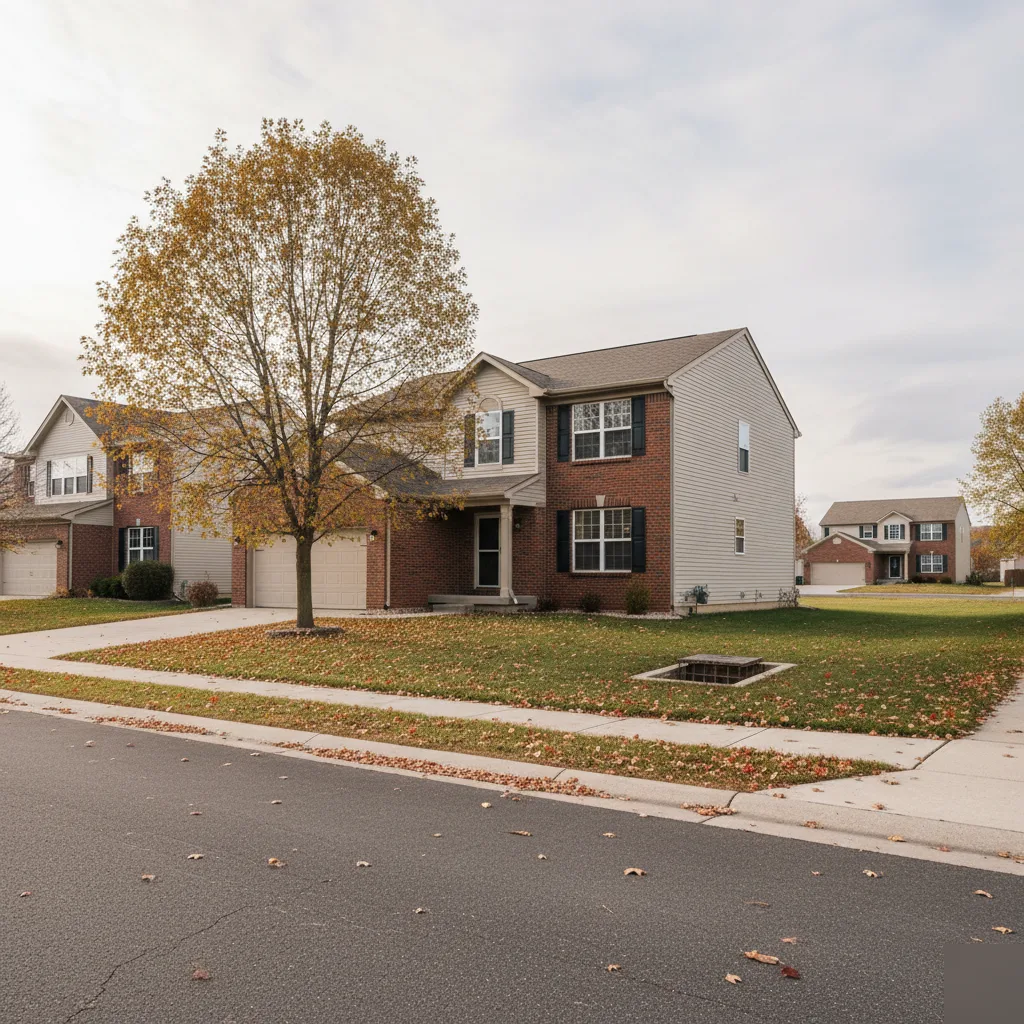
Most Basement Finishing Work in Indiana Requires a Permit
Homeowners in Brownsburg ask the team this question a lot. Do I need a permit to finish a basement in Brownsburg? The simple answer is yes. Nearly every basement finishing project here needs at least one permit from the Hendricks County Building Department. That often surprises people.
Many folks think permits are just for brand-new construction or big additions. Indiana's residential building code, though, follows the International Residential Code. It sees a basement finish as changing how that space is used. You are turning an unfinished area into livable square footage. The state considers this a real change, and the town does too. Our basement finishing services page walks through how a full project comes together from start to finish.
What Triggers a Permit
Not every single task in the basement needs its own permit. Painting the walls or putting down a new rug? No permit there. But the moment you start framing new walls, running new electrical lines, or adding plumbing fixtures, you've crossed a key line. Here's what typically calls for a permit in Brownsburg, based on what the team sees:
- Framing new walls or building interior walls for bedrooms, bathrooms, or living areas.
- Any fresh electrical work including outlets, lighting circuits, or main panel upgrades.
- Plumbing rough-in for a basement bathroom or a wet bar space.
- HVAC modifications like adding supply and return ducts to condition the new area.
- Egress window installation for basement bedrooms — a big one for safety.
Most basement projects involve at least three of these items. So you're probably looking at multiple permits and multiple inspections. The team sees homeowners try to skip the electrical permit most often, and that's the one that creates the biggest headaches later on. Without it, you might have to open walls again.
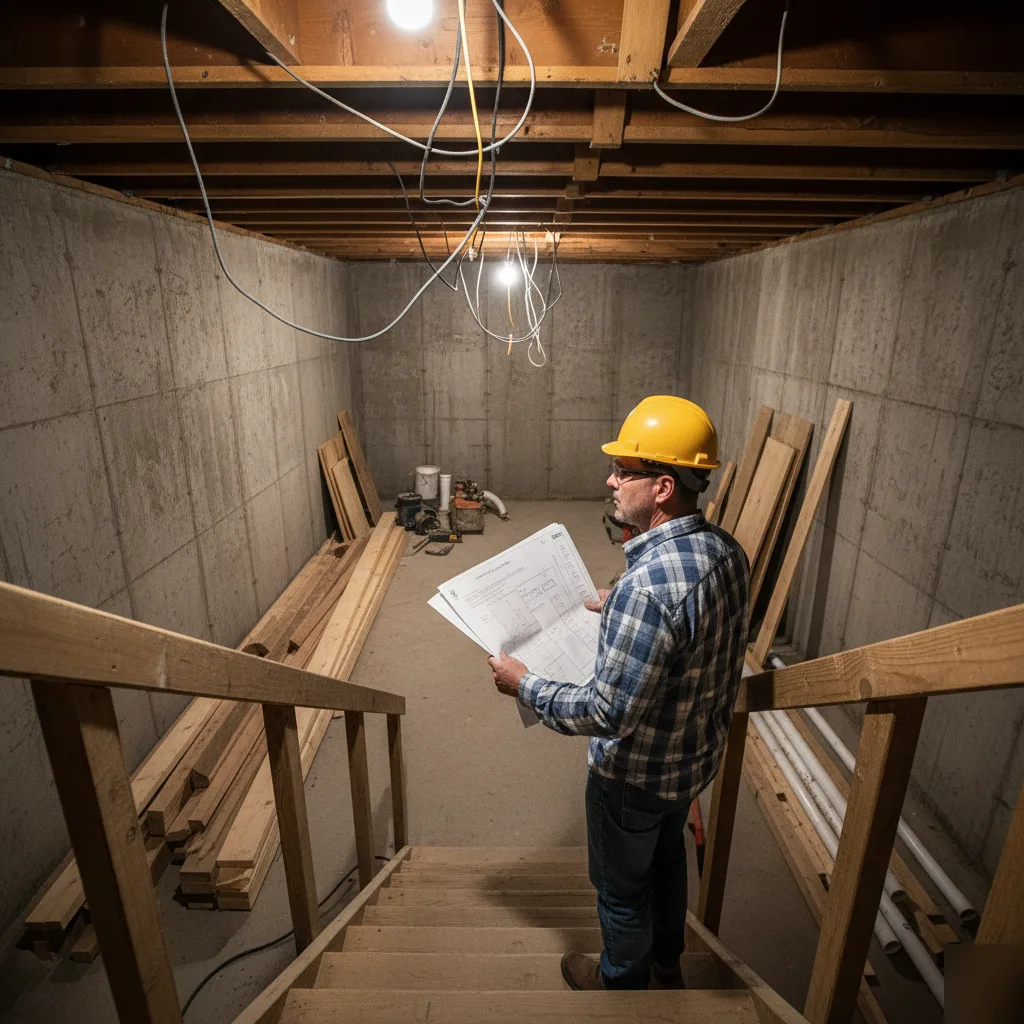
Why Brownsburg Enforces This
Brownsburg sits squarely in Hendricks County and operates under its building inspection authority. The county adopts Indiana's version of the IRC, which means inspectors check for fire safety, structural integrity, and proper exits (egress). These aren't just arbitrary rules. Basement fires and water intrusion are real risks for homes here in central Indiana. This is especially true in neighborhoods like the older sections near Arbuckle Acres Park, where many homes were built on poured concrete foundations back in the 1970s and 1980s. Those basements often present unique challenges.
One thing only an experienced contractor would tell you: the inspection process in Hendricks County has a specific order. Rough-in inspections for electrical, plumbing, and mechanical all happen before drywall ever goes up. If you hang drywall first, the inspector will make you tear it down. The team has walked into projects where a homeowner did exactly that — it cost them weeks and hundreds of dollars to fix. We've seen it happen more than once.
And here's the part that matters most to your wallet long-term. Unpermitted work can absolutely kill a home sale. Indiana real estate disclosure laws require sellers to report known unpermitted improvements. Appraisers won't count unpermitted finished square footage toward your home's value. So that basement you spent months finishing? It might add zero dollars to your sale price if you skipped the permits. That's a real hard truth.
According to the International Code Council, building permits and code requirements exist to protect homeowner safety and property value. That's not just bureaucracy talking. It is about lasting quality and peace of mind.
But getting permits doesn't have to be painful or confusing. A contractor who knows Hendricks County's process inside and out can pull permits, schedule inspections, and keep your project moving without delays. The team handles this for Brownsburg homeowners regularly. If you're thinking about finishing your basement and want to make sure everything's done right from the start — and holds up at resale — reach out to the team for a free estimate. We'll walk you through it.
These Specific Scopes of Work Trigger a Permit Requirement
Not every part of a basement finish needs a permit. But most of the work that truly matters does. The team sees homeowners in Brownsburg get tripped up here. They assume a permit is only for "big" projects. In reality, the Hendricks County building department cares about anything that affects safety or livability. That means more than you might first think.
Here's a clear breakdown of what triggers a permit when you finish a basement. It's usually more involved than just painting.
Electrical Work
Adding outlets, running new circuits, or installing a subpanel all require an electrical permit. Even something as simple as wiring a few recessed lights counts. The Town of Brownsburg follows Indiana's residential building code. The inspector will want to verify wire gauge, box fill, and proper grounding before drywall ever goes up. This is a critical safety check.
Most people don't realize this until it's too late. They hang drywall first, then find out the inspector needs to see behind the walls. And then the tearing down starts.
Plumbing
Planning a basement bathroom or a wet bar? That calls for a plumbing permit. Tying into the existing drain line, adding a sump pump relocation, or running new water supply lines all fall under this category. In Brownsburg, many homes sit on slab-on-grade foundations or have poured concrete basement floors. Cutting into that floor for a new drain is serious work. It needs to be inspected before concrete gets poured back, to make sure it's done correctly.
We've noticed a lot of issues when this step is rushed. Water damage is not fun.
Framing and Structural Changes
Building new walls to create rooms requires a building permit. So does removing or modifying any load-bearing element — a major structural change. And if you're adding a beam or post to open up the layout, that needs an engineer's stamp in most cases. This ensures the house stays up.
A standard non-load-bearing partition wall still needs a permit because it defines habitable space. The inspector checks ceiling height, proper egress, and fire separation. It's about more than just dividing a room.
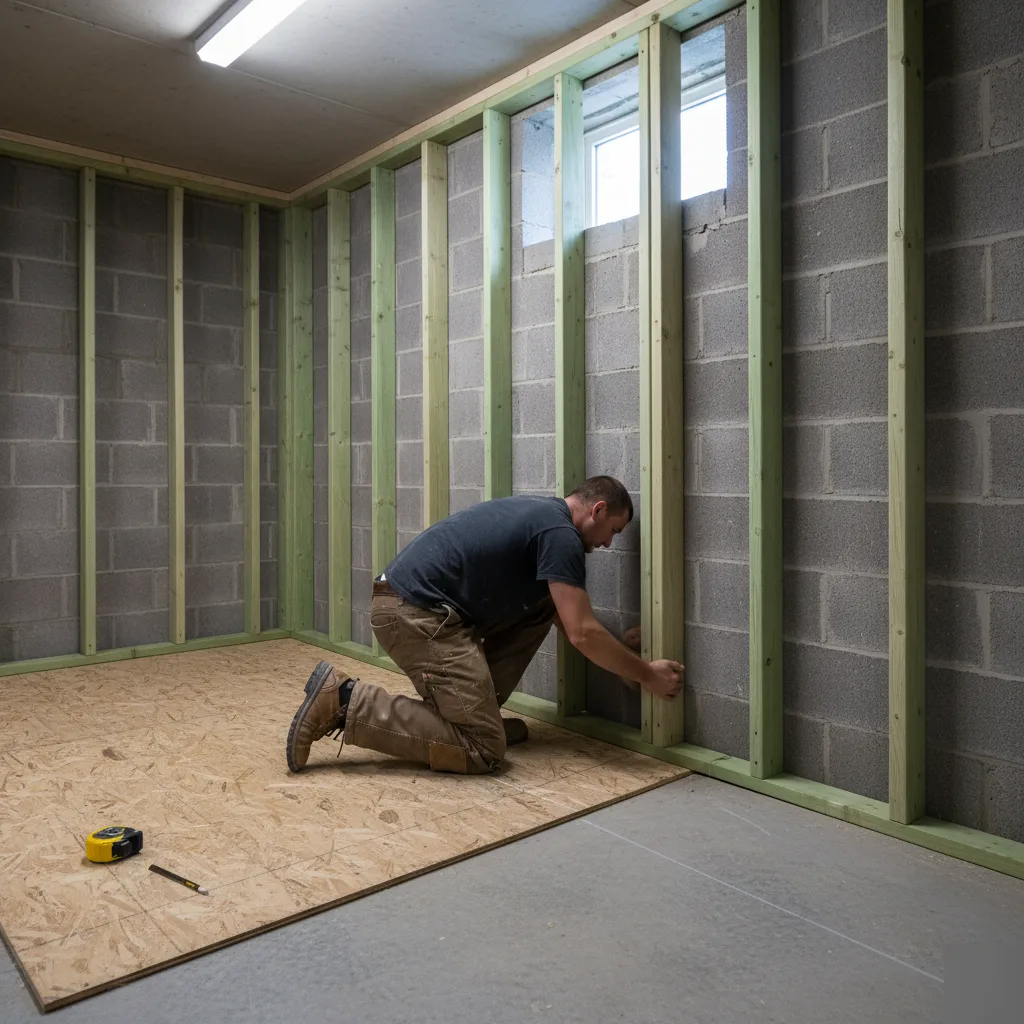
HVAC Modifications
Running new ductwork or adding supply and return vents to condition the basement triggers a mechanical permit. So does installing a mini-split system or relocating the furnace. The code requires adequate ventilation for finished living space. Skipping this step leads to comfort problems and moisture issues down the road. You really want conditioned air moving through that space. And by the way, those Brownsburg summers get really humid.
Egress Windows
If your basement will have a bedroom, Indiana code requires an egress window. Cutting a new window opening into a foundation wall is structural work. It needs both a building permit and proper engineering. Homes in neighborhoods like the Northfield area or near Cardinal Park often have older basements where the existing windows are too small to qualify. They simply won't meet current safety standards.
Here's a quick list of work that usually triggers a permit:
- Any new electrical circuits, outlets, or lighting fixtures.
- New plumbing lines, drains, or fixtures for baths or wet bars.
- Framing walls that create rooms or define living space down there.
- HVAC ductwork additions or system modifications to heat and cool.
- Cutting new egress window openings in foundation walls for safety.
One thing that typically does not need a permit is cosmetic-only work. Painting existing walls, laying carpet over a concrete floor, or adding furniture to an already finished space won't trigger a visit from the building department. Those are fine.
But here's the honest truth. Most basement finishes involve at least two or three of the items above. So the question isn't really "do I need a permit." It's "which permits do I need." And getting that answer wrong can mean tearing out finished work for an inspection that should've happened weeks earlier. It's an expensive lesson.
The team handles permit applications for basement finishing projects in Brownsburg regularly. If you're unsure which scopes apply to your project, reach out for a free estimate and the team can walk through exactly what your basement needs before any work begins. We make sure you start off right.
How the Brownsburg Permit Process Works
Most homeowners expect a mountain of paperwork. The reality in Brownsburg is often more straightforward than you'd think. But skipping steps or trying to guess your way through it can definitely cost you weeks. We've seen it many times.
Here's how the process typically goes from start to finish:
- Draw up your plans. The Town of Brownsburg needs to see what you're doing before they approve it. That means a floor plan showing walls, egress windows, electrical layout, and plumbing locations. You don't always need an architect, but the drawings need to be clear and to scale.
- Submit your application to the Brownsburg Planning and Building Department. You'll fill out a building permit application and attach your plans. The team has walked clients through this dozens of times. It's one form, not a stack of them, usually.
- Wait for plan review. A plan reviewer checks your submission against Indiana Residential Code requirements. This usually takes one to two weeks in Brownsburg. Sometimes less, especially if the scope is simple.
- Get your permit and post it. Once approved, you receive a physical permit. It needs to be posted at the job site where an inspector can easily see it. Do not toss it in a drawer.
- Schedule inspections at each phase. You'll need inspections for framing, rough-in electrical, rough-in plumbing, insulation, and a final walkthrough. Each one has to pass before you move to the next stage.
- Close out with a final inspection. The building inspector confirms everything matches your approved plans and meets code. Then you're done. Your basement is officially legal.
One thing the team sees all the time is homeowners trying to pull permits after work has already started. That creates real problems. Inspectors may require you to open up finished walls so they can check framing or wiring behind them. It's an honest mistake, but it's an expensive one.
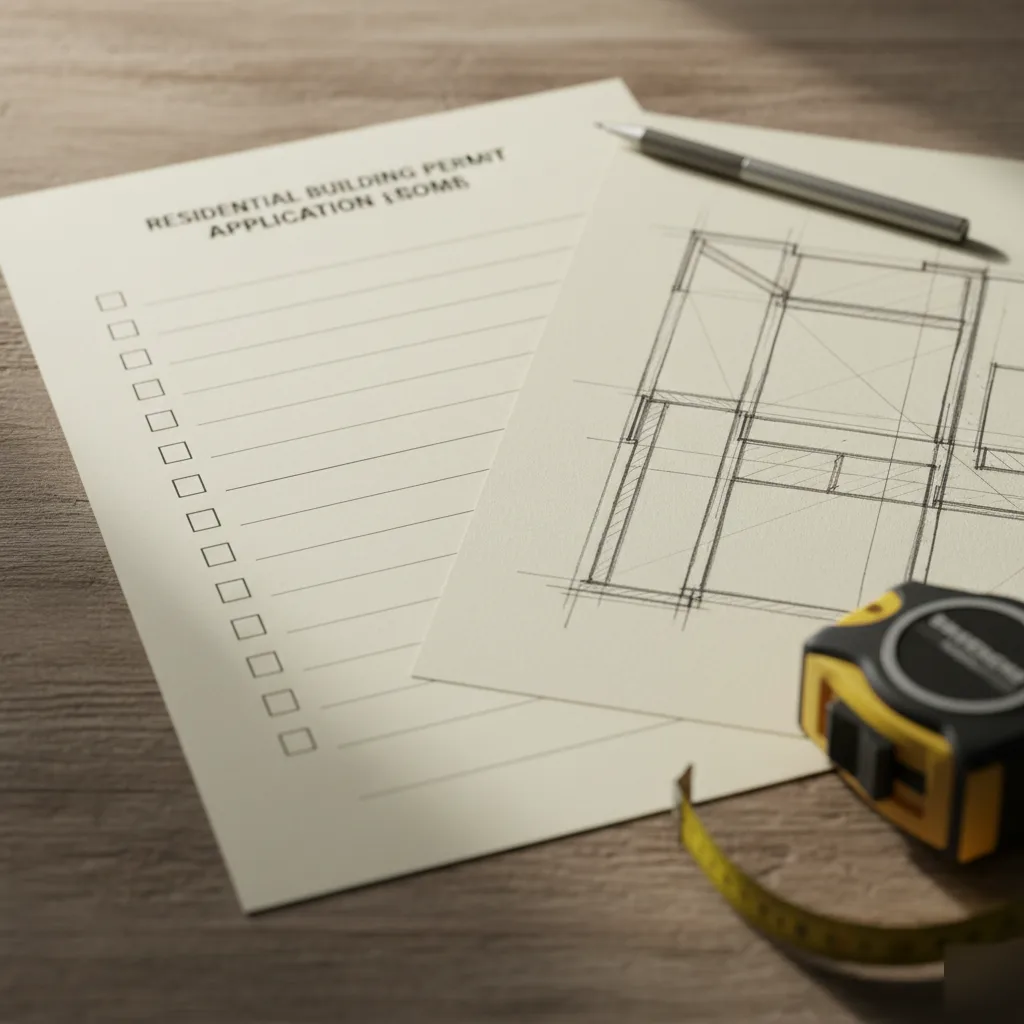
Where People Get Stuck
The biggest delay isn't the permit office itself. It's incomplete plans. If your drawings don't show enough detail, the reviewer sends them back. That adds another week or two before you even break ground. A contractor who's familiar with Brownsburg's requirements can save you that round trip — they know exactly what reviewers look for.
And here's something most people don't realize until it's too late. Separate trade permits are often required for electrical, plumbing, and mechanical work. The main building permit doesn't cover everything. If you're adding a bathroom or relocating ductwork in your basement, each trade needs its own permit pulled by a licensed professional. That's another layer of protection for you.
The Brownsburg Planning and Building Department office is located at Town Hall, near Arbuckle Acres Park. You can call ahead to confirm hours before dropping off paperwork. Some documents can be submitted electronically now, which can speed things up a little. This makes things easier than they used to be.
So is the process complicated? Not really. But it definitely rewards preparation. Having clean plans, knowing which trade permits you need, and understanding the inspection sequence keeps your basement project on track. If you'd rather have someone handle all of this for you, the team at Terry Brodnik Group walks Brownsburg homeowners through every step of the permit process as part of each basement finishing project. We build trust before the first nail goes in, and that includes the paperwork.
Frequently Asked Questions
Does every basement finishing project in Brownsburg require a permit, or just big ones?
Almost every basement finishing project in Brownsburg requires at least one permit — not just the large ones. If you are framing walls, running electrical, adding plumbing, or modifying HVAC, you need a permit from the Hendricks County Building Department. Simple tasks like painting or laying carpet do not require one. But most real finishing projects touch at least three permit-triggering scopes of work. It is not about project size. It is about what you are changing inside the home.
What happens if I finish my basement in Brownsburg without pulling permits?
Skipping permits in Brownsburg can seriously hurt you when you sell your home. Indiana real estate disclosure laws require sellers to report known unpermitted improvements. Appraisers will not count unpermitted finished square footage toward your home's value. That means the basement you worked hard on could add nothing to your sale price. You may also have to open walls and redo work before a sale can close. It is a costly mistake that is easy to avoid from the start.
Why does Hendricks County require inspections before drywall goes up?
Hendricks County requires rough-in inspections before drywall because inspectors need to see the work behind the walls. Electrical wiring, plumbing lines, and HVAC ducts all get checked at this stage. Once drywall covers everything, there is no way to verify the work was done safely. If you hang drywall before the inspection, the inspector will require you to tear it down. That costs real time and money. Getting inspections in the right order keeps your project moving and protects your home long-term.
Do older homes near Arbuckle Acres Park in Brownsburg face any special permit challenges?
Yes, older homes in Brownsburg — especially those built in the 1970s and 1980s near areas like Arbuckle Acres Park — can present unique challenges during a basement finish. Many of these homes have poured concrete foundations and older electrical panels that may not meet current code. When you pull permits and go through inspections, those issues get caught early. That protects you. An experienced contractor familiar with Hendricks County's inspection process can help you plan around these older construction details before work begins.
Is it a common mistake to think you only need one permit for a basement finish?
Yes, this is one of the most common misconceptions homeowners have about finishing a basement in Brownsburg. Most people assume one permit covers everything. In reality, electrical, plumbing, mechanical, and building work each require their own permit and their own inspection. Most basement projects involve multiple scopes of work, which means multiple permits. A contractor who regularly works with the Hendricks County Building Department will know exactly which permits apply to your project.
Do I need a permit to add an egress window to a basement bedroom in Brownsburg?
Yes, adding an egress window to a basement bedroom in Brownsburg requires a permit. Indiana's residential building code requires egress windows in basement sleeping areas for fire safety. The window must meet specific size and height requirements so a person can escape in an emergency. This is not optional. Inspectors check egress compliance during the building inspection. If you plan to add a bedroom to your finished basement, make sure egress is part of the plan from day one — not an afterthought.