
Brownsburg, IN
Whole House Renovation Permits in Brownsburg, IN
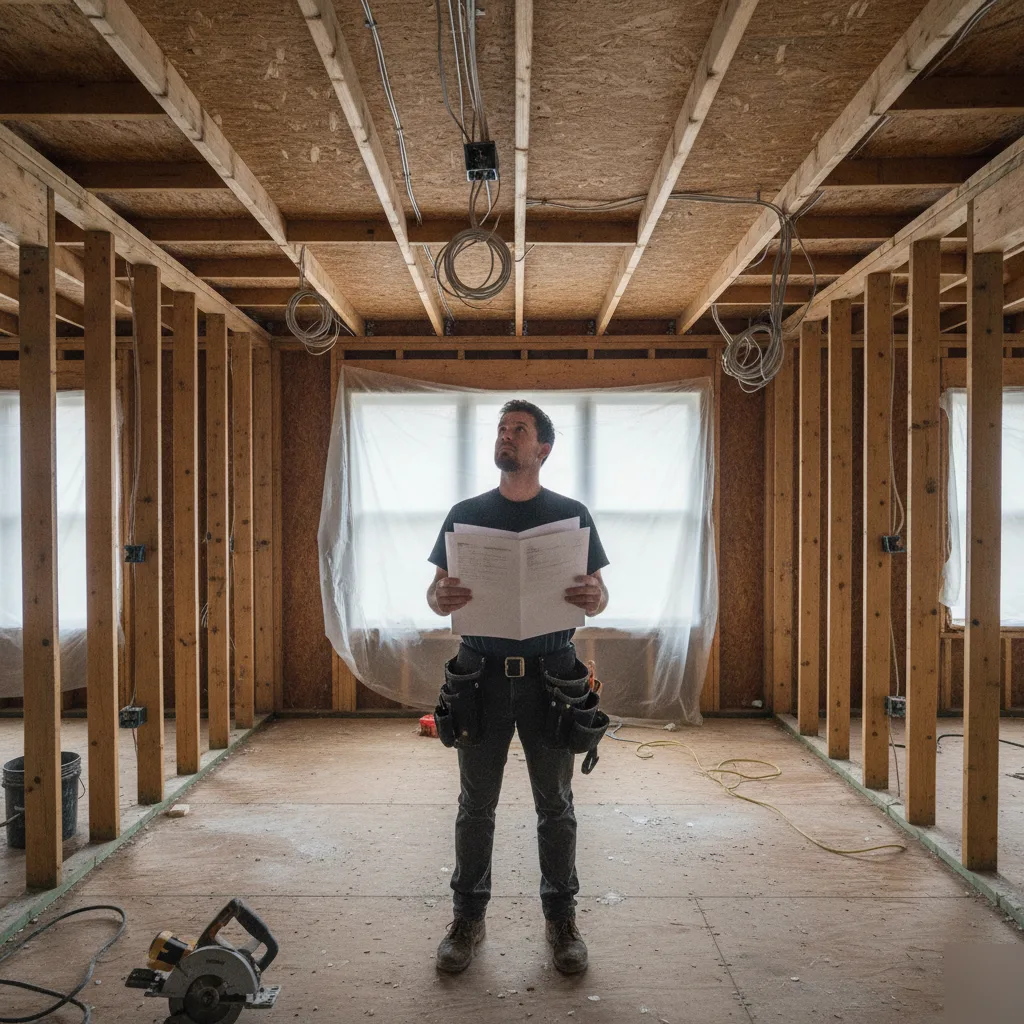
Most Whole House Renovations in Brownsburg Require Multiple Permits
If you're asking about permits for a whole house renovation in Brownsburg, IN, the short answer is always yes. Almost every big home overhaul touches things that need permits from the Brownsburg Building Department. It's never just one permit, either. Most projects need quite a few.
Think about what a full home renovation actually involves. You're changing walls. You might be moving plumbing around. New electrical panels often come into play. Old HVAC systems get swapped out. Each of those jobs has its own permit requirements. The team sees homeowners surprised by this all the time. They figure one building permit covers everything. That's just not how it works here in Hendricks County.
Here's what usually requires its own permit for a project like this in Brownsburg:
- Building permit for any changes to the structure, like taking down walls, building new rooms, or altering your roofline
- Electrical permit for new circuits, upgrading your panel, or rewiring anything
- Plumbing permit for moving sinks, adding a bathroom, or replacing old supply lines
- Mechanical permit for putting in a new HVAC unit, running new ductwork, or making changes to gas lines
- Demolition permit if the team is tearing out big sections of your home before the rebuild starts
Each of these permits comes with its own inspections. And those inspections happen at specific points in the project. The electrical rough-in gets checked before drywall goes up. Plumbing gets looked at before the floors are installed. Miss an inspection window, and your project hits a wall.
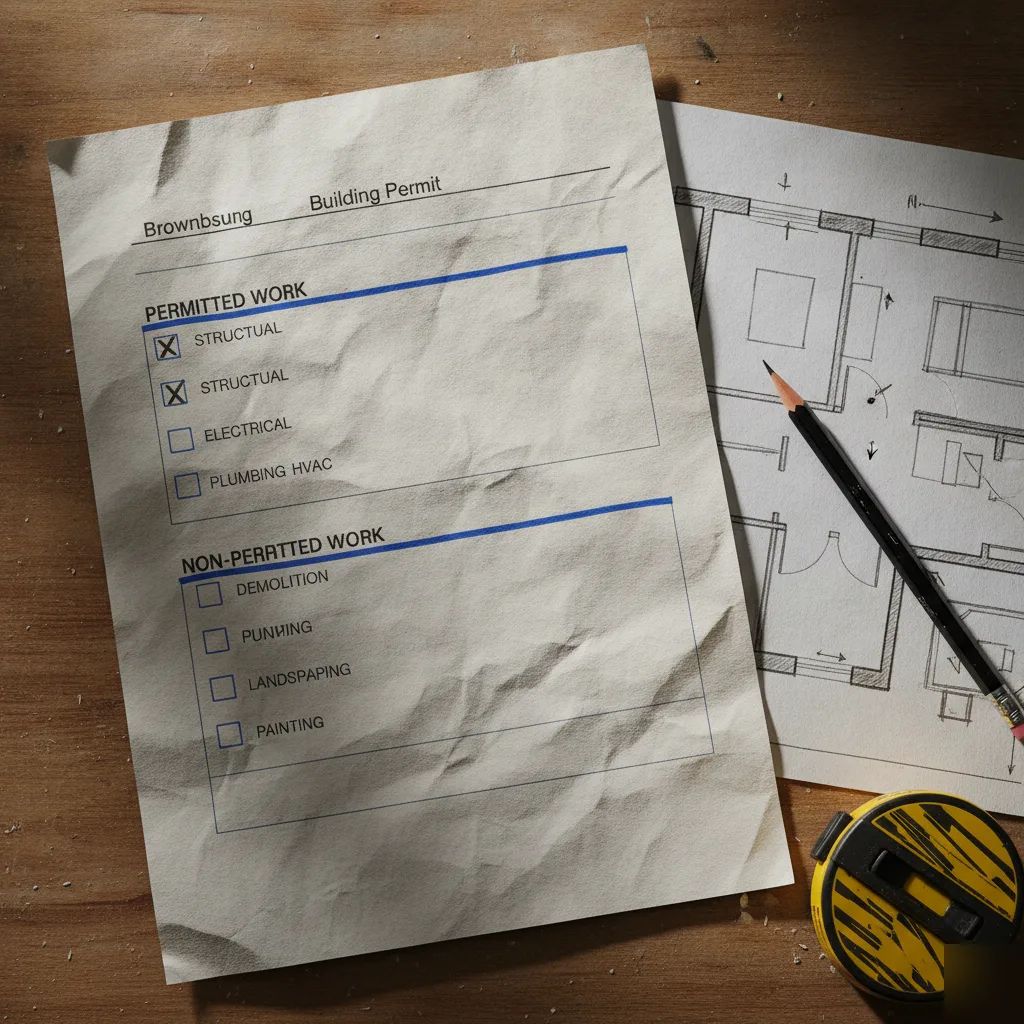
Here's a practical truth only a seasoned remodeler knows: the permit process in Brownsburg is smoother than in some other nearby areas. The Brownsburg Building Department uses the Indiana Residential Code. The inspectors are reachable. Turnaround times are fair when your plans are complete. But "fair" still means you have to plan ahead. To better understand how the state reviews residential building plans, the Indiana building plan review process outlines exactly what gets evaluated at each stage. Submitting permit applications the week you want to start tearing things apart just won't work.
What Happens If You Skip Permits
This part is where things get serious. Unpermitted work can bring stop-work orders. The town might even make you tear out finished work. This lets inspectors see what's behind the walls. That's money and time you just don't get back.
But the real risk usually comes much later. When you decide to sell your home, unpermitted renovations almost always show up during title searches and buyer inspections. A buyer's lender may just refuse to finance the purchase. The team has seen Brownsburg homeowners lose deals over bathroom additions that were never permitted. This issue alone causes real headaches. According to the National Association of Home Builders, permit violations are one of the most common issues flagged during residential real estate transactions.
And then there's the insurance issue. If electrical work done without a permit causes a fire, your homeowner's insurance could deny the claim. That's a gamble nobody should take.
So, yes, permits add steps to your renovation. They take time. But they protect your investment. They keep your family safe. And they make sure the work meets code. Every single time, doing it right pays off.
If you're planning a whole house renovation and want to know exactly which permits your project needs, reach out to the team for a free estimate. The team handles permit coordination as part of every project in Brownsburg. You'll get peace of mind.
Renovation Work That Requires a Permit vs. Work That Does Not
This is where many Brownsburg homeowners get confused. Not every project needs a permit. But the ones that do? Skipping them can cause real trouble later.
Here's a simple rule. If the work changes your home's structure, its core systems, or its footprint, you almost certainly need a permit. If it's just cosmetic, you likely don't.
Work That Typically Requires a Permit
The team sees these permit-required projects come up constantly during whole house renovations around Brownsburg. The list is usually longer than most people expect.
- Structural changes. Taking out or moving walls, adding rooms, building additions, or changing your roofline all need permits. Even removing a single load-bearing wall needs one.
- Electrical work. Adding new circuits, moving breaker panels, rewiring rooms, or upgrading your service panel. Anything beyond just swapping a light fixture or an outlet cover.
- Plumbing changes. Moving a sink, adding a bathroom, relocating water heater lines, or rerouting drain pipes. If water or gas lines move, a permit is a must.
- HVAC modifications. New ductwork runs, replacing the furnace, adding zones, or installing new ventilation systems.
- Foundation or framing work. Finishing out a basement, making floor joists stronger, or repairing any foundation walls.
Most full renovations in Brownsburg involve at least three of these categories. That means multiple permits are needed, not just one. The old 1990s subdivision homes in places like Arbor Mills often need updated electrical when homeowners tackle a full remodel.
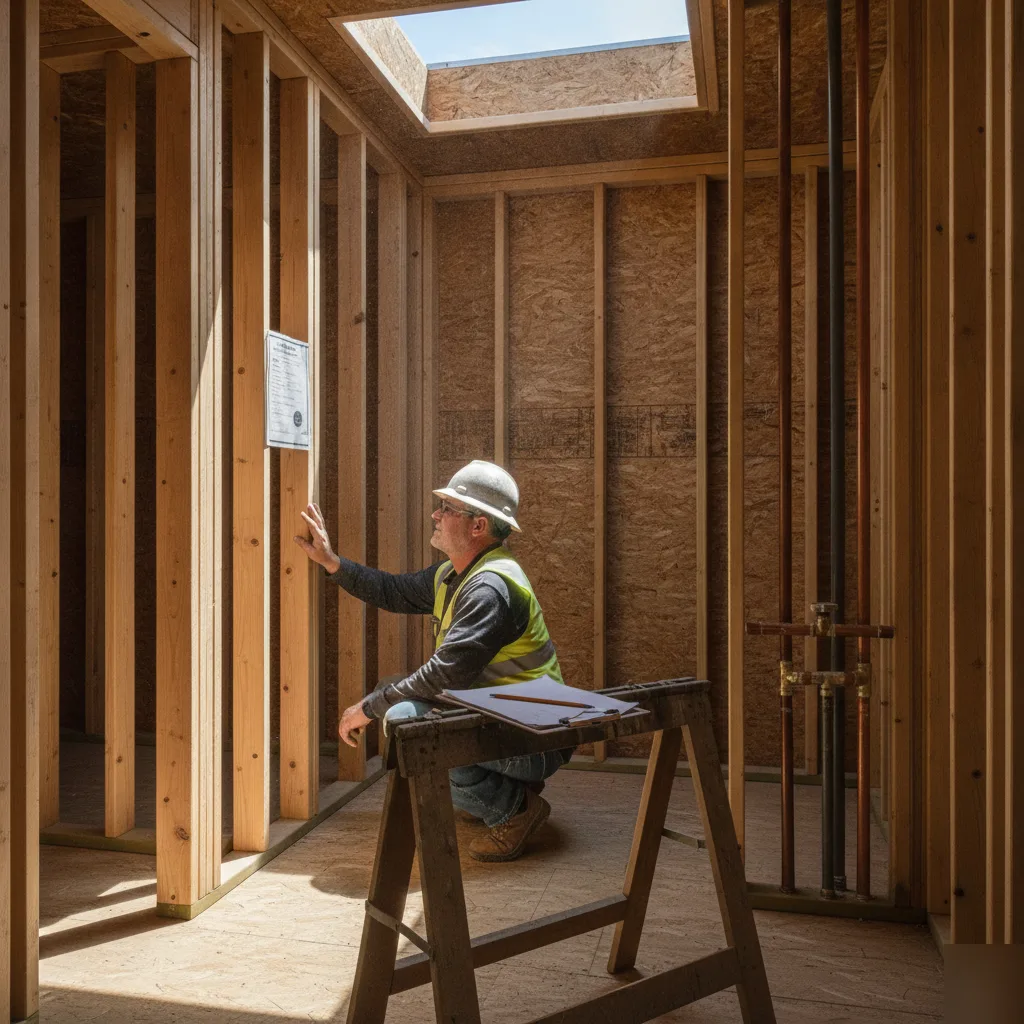
Work That Usually Does Not Need a Permit
Cosmetic updates are generally free of permit requirements. Think of it this way: if you're only changing how your home looks, but not how it actually works, you're probably in the clear.
Painting your walls. Replacing old flooring. Swapping out cabinet hardware. Installing new countertops. Hanging drywall over existing framing without moving anything. These projects don't usually trigger permit requirements.
But here's the catch the team runs into constantly. A "simple" kitchen remodel can cross into permit territory very fast. You decide to move the stove to a different wall; now you need gas line work and electrical. You want to open up the kitchen to the living room; now you're looking at a structural change. What started as cosmetic suddenly needs permits.
The Gray Areas
Some projects fall somewhere in the middle, and this is where homeowners often get confused.
Replacing a water heater in the exact same spot? Brownsburg typically still needs a permit for that, even if nothing moves. Swapping windows with new ones that are the same size in the same openings? Usually no permit. But changing window sizes means altering the framing, and that does need one. Freeze-thaw cycles in Indiana can really take a toll on old windows, making replacements common, but altering the opening size means a permit.
Fences under a certain height, small decks built close to grade level, and minor repairs often don't need permits. But "minor" is set by the local code. It's not about how easy the project feels to you. Always remember HOA rules too, especially in newer subdivisions like Heritage Trace, as they can add another layer of approvals for exterior work.
The smartest move is to check with the Brownsburg Planning Department before any work begins. A quick phone call can save you from a failed inspection or having to tear something down later. The team has seen homeowners have to rip out finished drywall. An inspector just needed to see what was behind it. That's money and time nobody wants to lose.
If you're planning a full renovation, just assume permits will be part of the process. It's not a hassle. It's truly protection for your investment.
What Happens If You Renovate Without a Permit in Indiana
Skipping permits might feel like a quick way to get started. It's not. It's a trap. It catches up with you months or even years down the road, usually at the worst possible time.
The team has seen this happen many times in Brownsburg. A homeowner finishes a big renovation. They put the house on the market. Then the buyer's inspector flags unpermitted work. The sale stops dead. Sometimes it just falls through entirely. That's a problem that costs serious money and a lot of time to fix.
Fines and Stop-Work Orders
Indiana code gives local building departments the authority to issue fines for unpermitted work. In Hendricks County, inspectors can also issue a stop-work order on your project. That means all construction has to stop. And it stays stopped until you go back, apply for the right permits, and get all the inspections caught up. The work you already finished may even need to be opened up. An inspector has to see what's behind the walls. Imagine tearing out brand-new drywall just so someone can check the wiring behind it.
According to the International Code Council, cities everywhere enforce permit requirements. This protects public safety and the structural integrity of homes. Brownsburg follows Indiana's residential building code. So, the rules are real. And they are enforced.
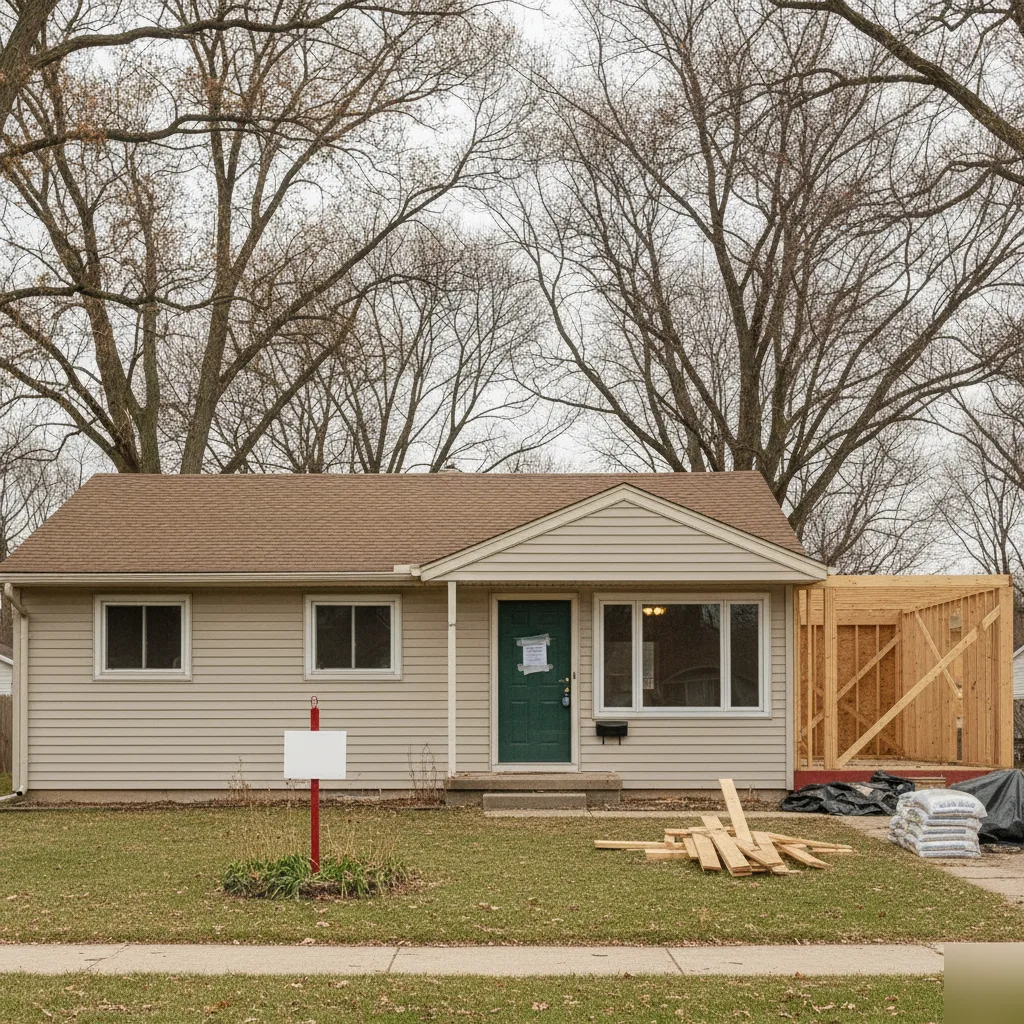
Insurance Problems You Don't See Coming
Here's something most people don't realize until it's too late. Your homeowner's insurance policy might not cover damage related to unpermitted work. Say a kitchen fire starts. It's caused by faulty wiring that was never inspected. Your insurer could deny that claim. And they'd be entirely within their rights to do it. That's a risk no renovation is ever worth taking.
Selling Your Home Gets Complicated
Title companies and real estate agents in Brownsburg ask about permits during the closing process. If you added a bathroom, moved walls, or finished a basement without permits, it puts a cloud over your title. Buyers get nervous. Lenders get cautious. You might end up reducing your asking price. Or you could have to pay out of pocket to retroactively permit and inspect the work. The team has worked with homeowners who bought houses with unpermitted renovations. These were done by previous owners. Fixing someone else's shortcuts is expensive. It's frustrating. And it delays the actual renovation they wanted to start for their family.
Safety Risks Are the Biggest Cost
Permits exist for one reason only. Safety. The inspection process catches things like beams that are too small. It finds plumbing that isn't vented right. And it spots electrical work that could cause a fire. These are not hypothetical problems, by the way. These are the exact issues inspectors find regularly in homes across Hendricks County.
- Structural changes done without an engineer's review can lead to sagging floors. Or cracked foundations over time.
- Electrical work done without inspection is a leading cause of residential fires. The National Fire Protection Association says so.
- Plumbing modifications that skip inspection often cause slow leaks behind walls. This can lead to mold and wood rot.
- HVAC changes without permits could lead to carbon monoxide exposure. This happens from equipment that isn't vented properly.
None of these problems show up right away. They build slowly. By the time you notice something, the damage is already done. We've seen a lot of this in older homes where DIY projects went unchecked.
So, is it worth skipping a permit to save a few days on your timeline? Not even close. The permit process in Brownsburg is straightforward when you know what to expect. And having a contractor who handles permits as part of the project makes the whole thing painless. If you're planning a whole house renovation, talk to the team about getting your project started the right way from day one.
Frequently Asked Questions
Does Brownsburg require permits for every part of a whole house renovation?
Yes, most parts of a whole house renovation in Brownsburg require their own separate permit. The Brownsburg Building Department follows the Indiana Residential Code. Structural, electrical, plumbing, and HVAC work each need individual permits and inspections. Cosmetic updates like painting or replacing flooring usually don't. The key question is whether the work changes how your home functions or its structure — not just how it looks.
What happens if an inspector finds unpermitted work during a Brownsburg home sale?
Unpermitted work found during a home sale in Brownsburg can stop the deal completely. A buyer's lender may refuse to approve financing. You could be required to open finished walls so inspectors can verify the work. In some cases, the town can order you to tear out and redo the work. This is one of the most common issues flagged during real estate transactions, according to the National Association of Home Builders.
How do I know if a wall I want to remove in my Brownsburg home is load-bearing?
You should have a licensed contractor or structural engineer evaluate the wall before removing it. Load-bearing walls carry weight from above — like a second floor or roof. Removing one without proper support can cause serious structural damage. In Brownsburg, removing any load-bearing wall requires a building permit. This is true even if the wall looks small or unimportant. Don't guess on this one. A professional evaluation protects your home and keeps your project legal.
Can a homeowner pull their own permits for a whole house renovation in Brownsburg?
Yes, homeowners in Brownsburg can pull their own building permits for work on their primary residence in some cases. However, electrical and plumbing permits often require a licensed contractor to apply. The Brownsburg Building Department can tell you exactly which permits you can pull yourself. Most homeowners doing a full renovation find it easier to let their general contractor handle all permit coordination. That way, nothing gets missed and inspections stay on schedule. Our whole house renovation page explains how we manage this process for you.
Do older homes in Brownsburg neighborhoods like Arbor Mills face extra permit requirements?
Older homes in Brownsburg, including those in neighborhoods like Arbor Mills built in the 1990s, often trigger additional permit requirements during a full renovation. Outdated electrical panels, older plumbing materials, and original HVAC systems frequently need upgrades to meet current Indiana Residential Code. When you open walls during a remodel, inspectors may flag these issues. It's not a penalty — it's just the code catching up to the home. Planning ahead for these upgrades saves time and avoids surprise stop-work orders mid-project.
What is the most common mistake Brownsburg homeowners make when applying for renovation permits?
The most common mistake is assuming one building permit covers the entire renovation. It doesn't. Electrical, plumbing, mechanical, and structural work each need separate permits in Brownsburg. Another big mistake is applying for permits the same week demolition is scheduled to start. The Brownsburg Building Department needs complete plans before approving applications. Incomplete submissions slow everything down. Submit early, include detailed plans, and confirm which inspections are required at each phase before any work begins.