
Why the Order of Your Decisions Matters More Than Your To-Do List
The order you make remodeling decisions matters more than any checklist. and structure come first, finishes come last. Get this backwards and you'll end up paying for changes twice.
Most first-time homeowners in Brownsburg start with a Pinterest board full of tile and paint colors. That's fine for inspiration. It's the wrong place to start planning. The order you make decisions in changes how smooth the whole project runs. Get it backwards, and you pay for it twice, once in money and once in time.
Here's the sequence the team follows on nearly every first-time remodel around Hendricks County. Skip a step, and you'll likely have to circle back to it anyway, usually at a worse moment.
- Set a real range before picking a single finish or fixture.
- Talk to a contractor about layout and structure while the idea is still rough.
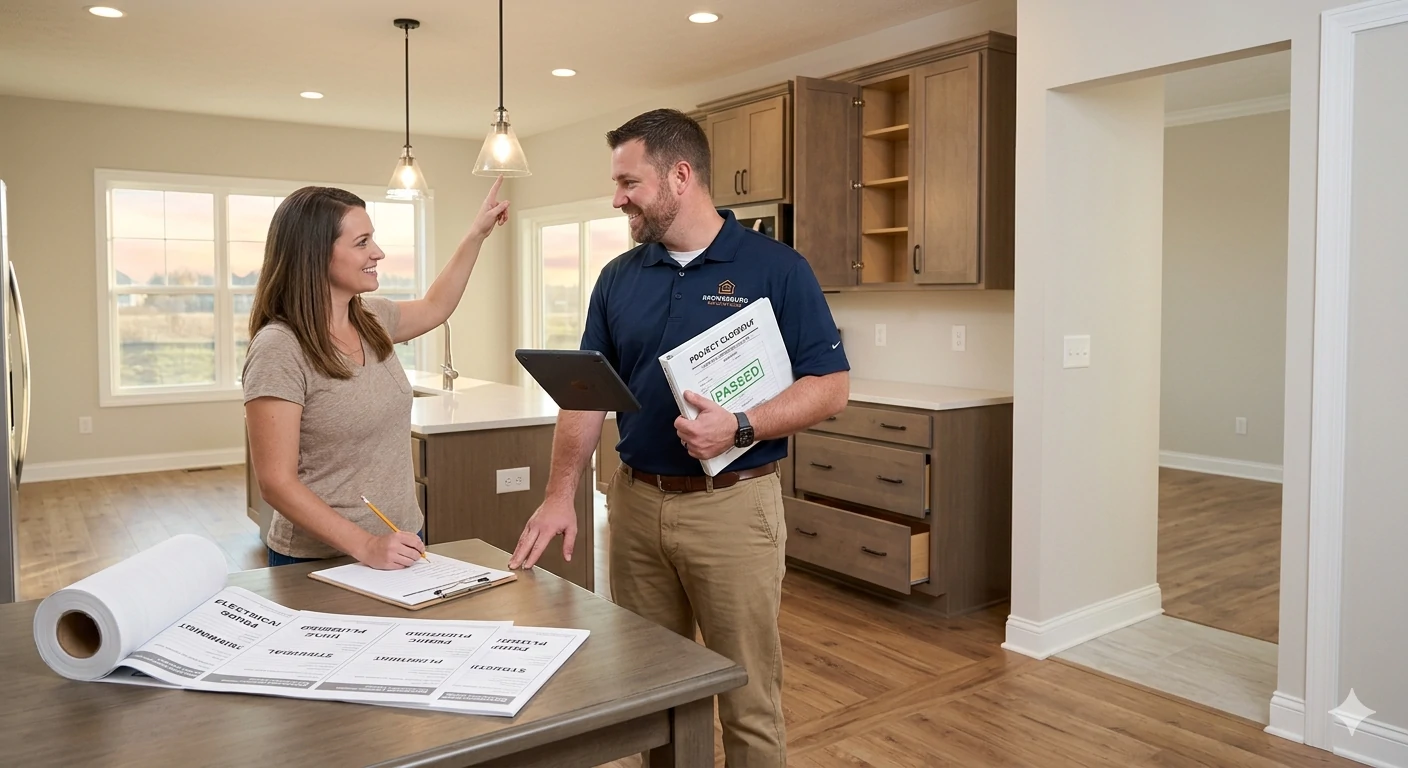
- Pull any needed permits before demolition ever starts.
- Lock in big-ticket items like cabinets and countertops before scheduling labor.
- Save paint colors, hardware, and small details for last.
Skip step three, and Hendricks County can shut a project down mid-swing, the inspector doesn't care how far along the drywall is. And skip step four, and you'll end up scheduling a countertop install before you know if your cabinets will even arrive on time.
Order isn't a formality. It's protection.
The team ran into this last year with a family near downtown Brownsburg. They'd already ordered custom cabinets before anyone confirmed the wall between the kitchen and dining room could come down. It could, but only after adding a support beam. That single decision, made out of order, cost them three extra weeks and a redesign of the cabinet layout they'd already paid for.
This is exactly why the planning conversation matters before any materials get ordered. If you're not sure where your project falls in that sequence, it helps to walk through it with someone who's seen the pattern play out before on a Brownsburg remodeling services project.
Reversible vs. Irreversible: Sorting Your Remodeling Choices
Not every remodeling decision carries the same weight. Some choices you can undo in an afternoon. Others get locked in the moment a wall comes down or a pipe gets moved. Sorting your decisions into these two buckets early saves you from a lot of second-guessing later.
The team sees this trip up first-time remodelers all the time in Brownsburg. Someone spends three weeks agonizing over a cabinet pull finish, then rushes a decision about removing a load-bearing wall because the contractor is standing there waiting. That's backward.
Reversible choices are the ones you can change your mind on without tearing anything apart. Think of these as low-risk decisions, they still matter but won't sink your project if you change course.
- Paint colors and wall finishes
- Cabinet hardware, faucets, and light fixtures
- Furniture layout and staging
- Backsplash tile or accent materials
- Window treatments and interior trim color
Irreversible choices are a different animal. Once these decisions get built, moving them again means real demolition, real cost, and real delay. Homeowners near downtown Brownsburg with houses built in the 1960s and 70s run into this often, since original plumbing and electrical runs don't always sit where modern layouts want them.
- Removing or relocating load-bearing walls
- Moving plumbing lines or drain stacks
- Changing the roofline or foundation footprint
- Relocating an electrical panel
- Cutting new window or door openings in exterior walls
Hendricks County permitting gets involved the moment you touch structural or mechanical systems, so these decisions also affect your timeline in ways paint color never will.
Here's the practical takeaway. Spend your quick decisions fast, and save your deep research for anything permanent.
So before you sign off on a layout change, ask yourself one question: if this turns out wrong, what does it cost to fix? If the answer involves a sledgehammer, slow down and get a second opinion before moving forward.
DIY or Hire a Pro: Where the Line Falls
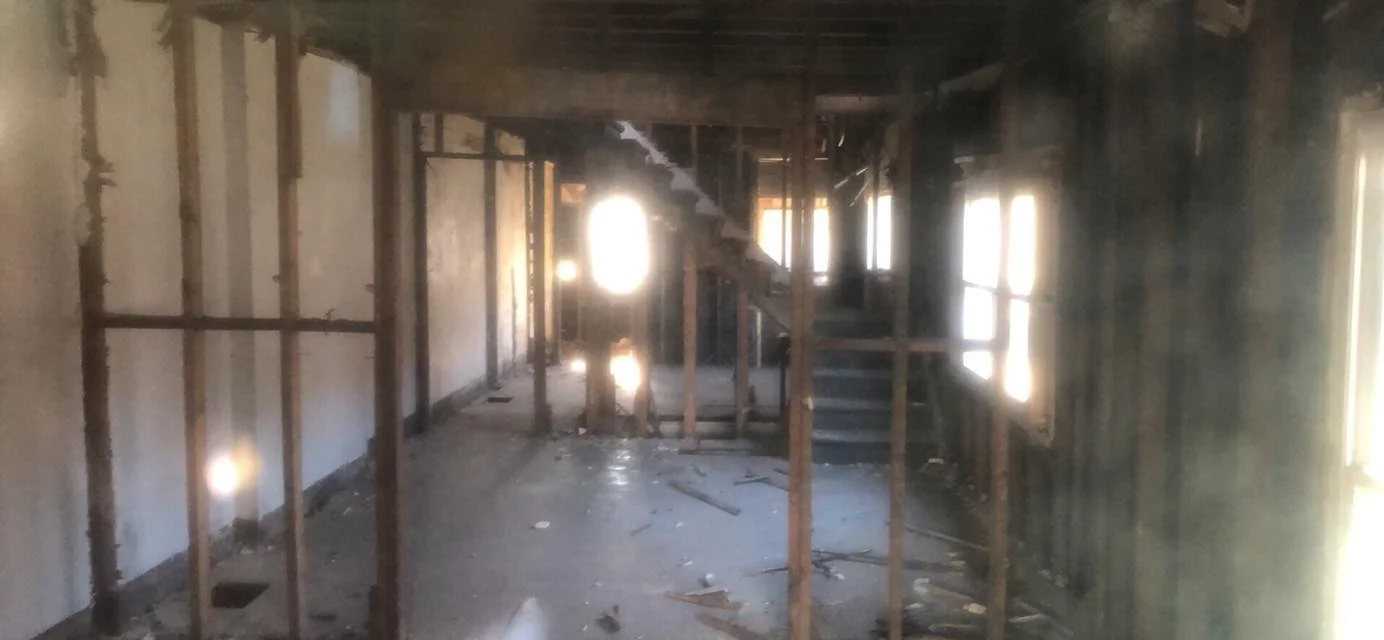
Every first-time remodeling guide eventually lands on this question: what can you do yourself, and what needs a pro? The honest answer depends less on your confidence with a drill and more on what's behind the wall. A lot of Brownsburg homes were built between the 1970s and early 2000s, and that era of construction hides some surprises. Old wiring splices, undersized plumbing runs, and load paths that don't match the blueprint. We've opened up walls in Brownsburg ranches and found things the original owner never knew about.
Painting a room, swapping cabinet hardware, laying peel-and-stick flooring in a closet. Those are low-risk. Removing a wall, moving a sink, touching a circuit breaker panel? That's a different conversation entirely.
- You're touching anything electrical beyond a light fixture swap
- A wall you want to remove might be load-bearing
- The project involves moving plumbing lines, not just replacing fixtures
- Hendricks County requires a permit for the work (structural, electrical, and plumbing changes almost always do)
- You're not sure if the last owner's renovation was done to code
That last one trips up more first-time remodelers than anything else. Brownsburg has a mix of older homes and newer builds, and not every past renovation was permitted properly. So before you commit to a DIY plan, it's worth checking. A contractor who's pulled permits with the Town of Brownsburg building department can usually tell within minutes whether your project needs inspection sign-off.
Here's the part nobody tells first-timers. A bad DIY job doesn't always show up right away. The tile looks fine at first, the moisture problem shows up in six months. A wall comes down clean, and then the ceiling starts to sag two winters later. Ever wonder why some contractors ask a lot of questions before giving you a straight answer? It's because they've seen how these small mistakes turn into big ones.
So where's the real line? If the project changes the structure, the electrical, or the plumbing of your home, bring in a licensed professional. If it's cosmetic and reversible, go ahead and try it yourself. Not sure which side your project falls on? That's exactly the kind of question worth asking before you start swinging a hammer, and it's the kind of question a home remodeling professional at Terry Brodnik Group can answer in a single walkthrough of your home.