
Brownsburg, IN
How Deep Do Fence Posts Need to Be in Brownsburg?
The General Rule for Fence Post Depth
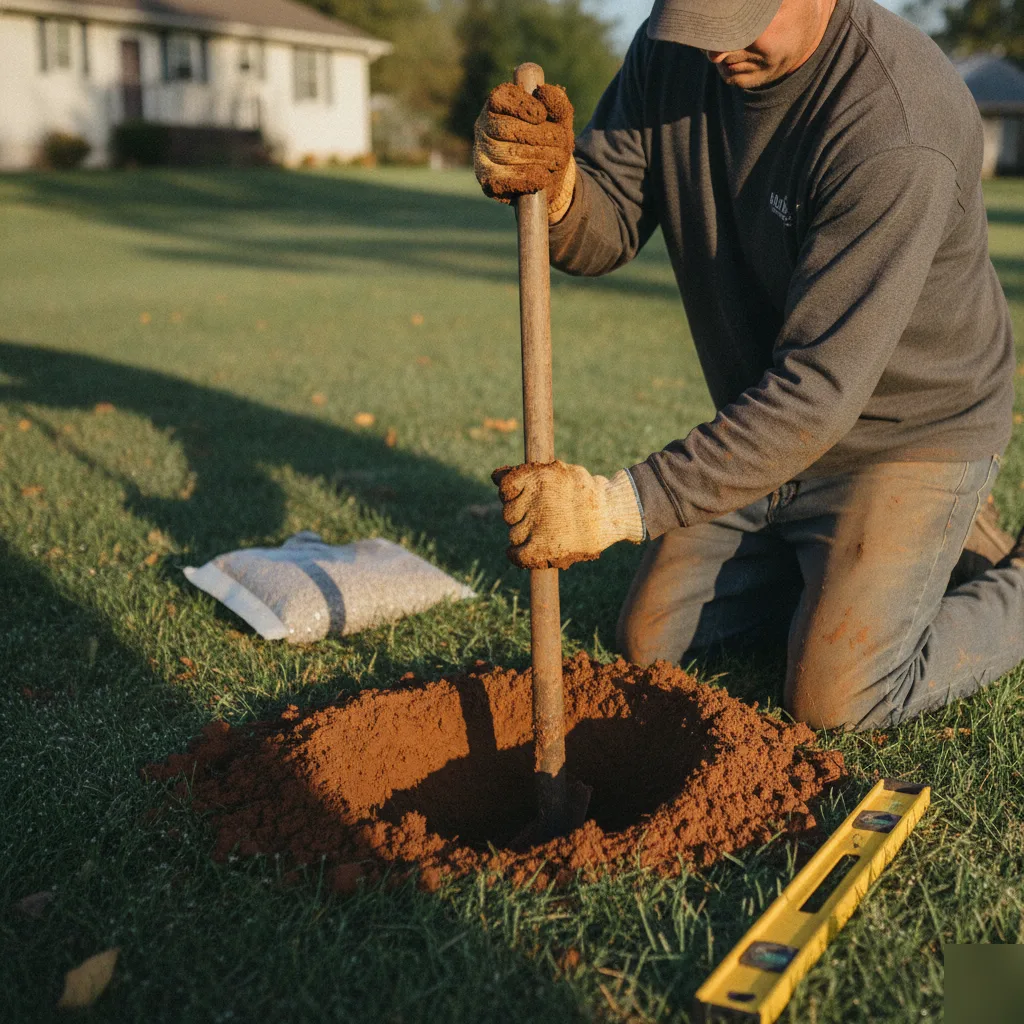
Lots of folks miss the mark on fence post depth. They dig too shallow, set the post, and things look solid for a little while. Then a tough wind rolls through Brownsburg, and the whole fence starts to lean. Like it's tired. Any residential fence installation company will tell you the basic rule is simple: bury one-third of the post length underground. A 6-foot fence post needs at least 2 feet in the ground. An 8-foot post needs about 2 feet 8 inches below grade. That one-third ratio gives the post enough hold in the soil. It fights wind, leaning, and the load from the fence panels.
Why One-Third Matters
Think of a fence post like a long arm. The part above ground catches wind and takes on weight. The part below ground holds everything steady. If the underground bit is too short, the post has no real anchor. It just pivots at the surface. The one-third rule provides enough buried length to balance what's happening up top. Here’s what the team sees on job sites around Brownsburg all the time. Homeowners dig 18 inches for a 6-foot post. They think that's close enough. It's not. Those missing 6 inches make a big difference over time, especially in Indiana’s heavy clay soil, it moves with moisture changes.
The Frost Line Factor
In Brownsburg, the frost line sits around 30 to 36 inches deep. The Indiana Department of Homeland Security building codes mention this depth for structural foundations. Your fence posts really should reach below the frost line. This prevents frost heave. Frost heave is brutal. It happens when water in the soil freezes, pushing upward. This can literally shove a shallow post right out of the ground over a single winter. You’ll notice the post sitting an inch or two higher than where you put it. Then it wobbles. Eventually, it just fails. For most residential fences in Brownsburg, the practical minimum depth is 30 inches. That covers the one-third rule for a standard 6-foot fence and gets you down near or below the frost line.
When You Need to Go Deeper
Not every situation follows the typical plan. Some conditions call for holes that go deeper:
- Corner posts and gate posts take on more stress, so they should go 6 inches deeper than regular line posts.
- Properties near White Lick Creek or low-lying areas with soft or sandy soil need extra depth for solid footing.
- Privacy fences taller than 6 feet act like big sails in the wind and demand more underground support.
- Slopes change the useful post height, which means the downhill side often needs a longer buried section.
The team has pulled out fence posts from properties in neighborhoods near Arbuckle Acres that were set only 12 inches deep. Those fences lasted maybe two years. A post buried right, in the same soil, can hold strong for 15 to 20 years. One thing people often don't realize until it's too late, the hole diameter matters as much as the depth. A post hole needs to be three times the width of the post. For a standard 4x4 post, that means a 12-inch-wide hole. This gives the concrete or gravel backfill enough space to make a solid base. Getting fence post depth right from the start means you don't have to do the job twice. If you're planning a fence project, and you want the team to handle the details, reach out for a free estimate. We’ll get it done the right way, once.
Why Frost Line Depth Changes the Math
Most folks think fence post depth is just about keeping the post standing straight. It’s not. The real reason depth matters so much in Brownsburg boils down to what happens underground when temperatures dip below freezing. The frost line is the depth where soil freezes in winter. When ground water turns to ice, it expands. That expansion pushes everything up, including your fence posts. This whole process is called frost heave. It's the biggest single reason fences give out in central Indiana.
Brownsburg's Frost Line Depth
Indiana's frost line sits between 30 and 36 inches deep, depending on your exact spot. The International Building Code and Indiana's local building standards both cite this range. In Brownsburg and throughout Hendricks County, the team uses 36 inches as our working number. Banking on the shallower end is a gamble. Most homeowners regret it within two winters. Here's what that means for your fence posts. The bottom of the post needs to sit below 36 inches. Not right at 36 inches. Below it. If you set a post exactly on the frost line, frozen soil can still grab its base and lift it. A few extra inches of depth gives you a buffer. It keeps the post locked in place.
What Frost Heave Does to a Fence
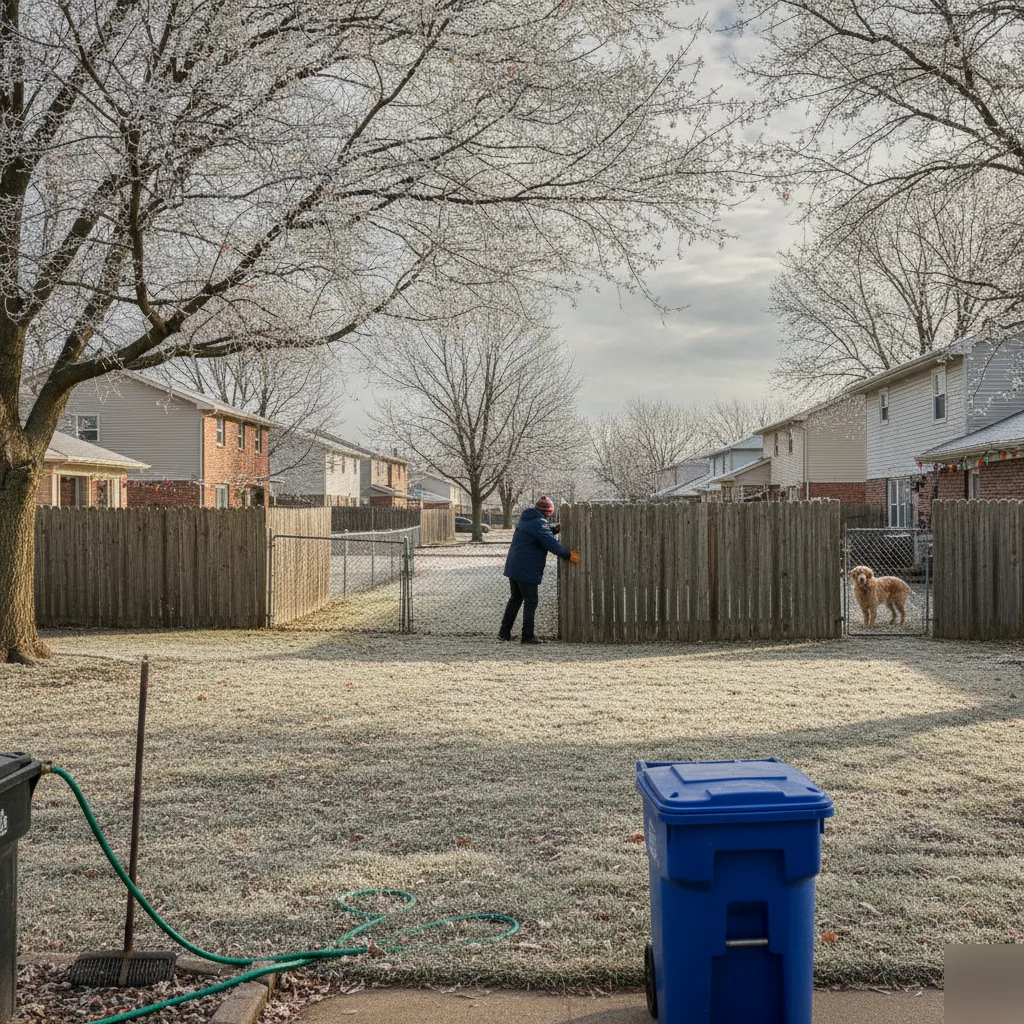
The team sees this every spring. In neighborhoods near Arbuckle Acres and along the older streets closer to downtown Brownsburg. Posts set too shallow over the summer look fine through the fall. Then winter hits. Frost heave doesn't just push posts up an inch or two. It can also shove them sideways. It cracks concrete footings. It pulls rails loose from their brackets. A fence that looked perfectly solid in October can be leaning by March. And once a post moves, it rarely settles back where it started. Three things make frost heave worse here:
- Clay-heavy soil holds more moisture. It expands more when frozen.
- Poor drainage around the post base traps water. That's where it does the most damage.
- Shallow post depth gives frost an easy grab on the footing.
Brownsburg's soil is heavy with clay. That's a fact anyone who’s tried to dig a hole in their backyard already knows. Clay soil and shallow frost lines? That's a bad mix for fence posts.
The Practical Rule for Post Depth
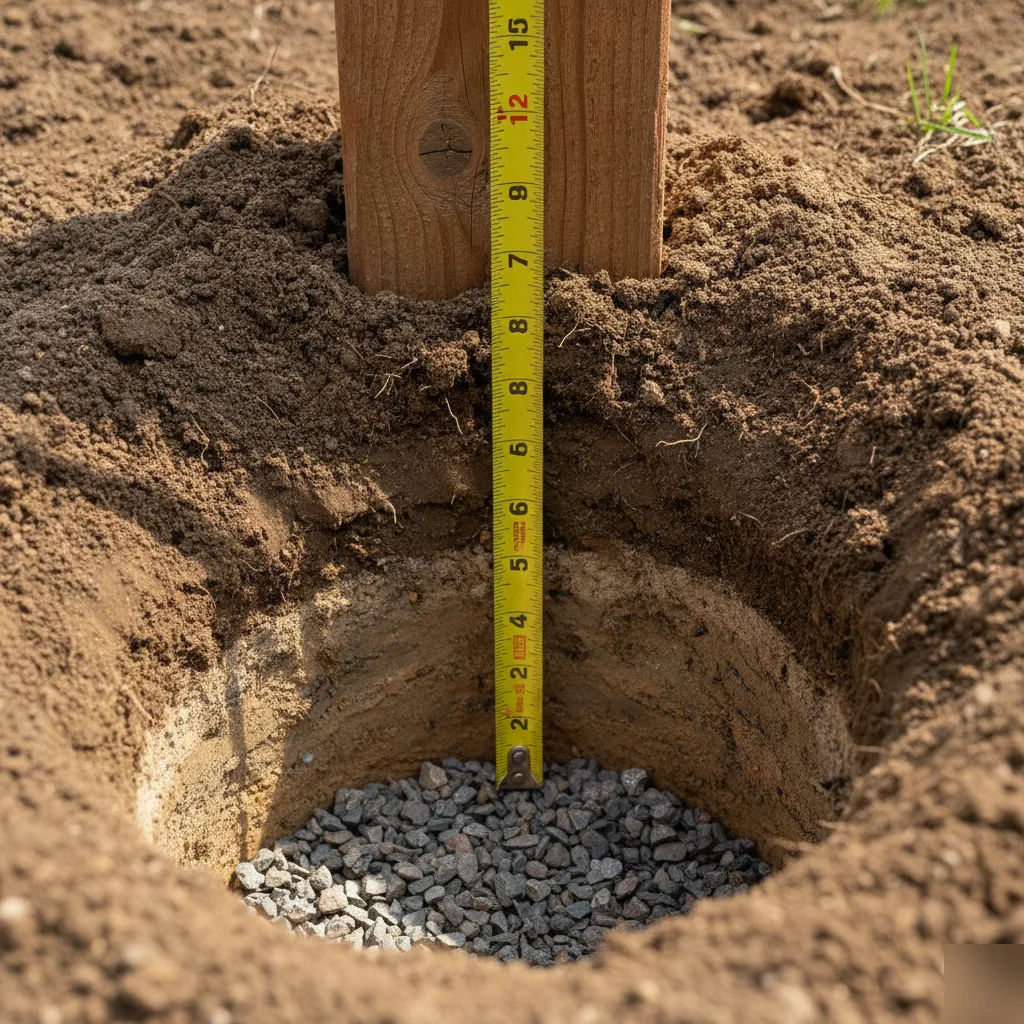
A common guideline is to bury one-third of the post length underground. So an 8-foot post would go about 32 inches deep. But that barely clears the frost line here. For a 6-foot privacy fence using 8-foot posts, the team usually digs to 40 inches. That puts the post bottom safely below the frost zone. Plenty of room to spare. You'll notice this too late, but the gravel base under the post adds to your total hole depth. A 4-inch gravel layer for drainage means your hole needs to be 44 inches deep. That keeps the post bottom at 40. Skipping depth to save time is the most common screw-up in fence post installation. It takes maybe 10 extra minutes per hole to go deep enough. Fixing a heaved post later takes hours. It costs real money. The math is simple, once you get what the frost line does to your fence.
How Clay-Heavy Soil Affects Post Stability
Brownsburg sits on some of the heaviest clay soil in Hendricks County. That's not just a gardening problem. It changes how deep fence posts need to be. And it changes how they act over time. Clay soil swells when it gets wet. It shrinks when it dries out. This cycle happens every season. It puts nonstop pressure on anything buried in the ground. A fence post feeling rock-solid in July can start leaning by March. The team sees this every spring. Across neighborhoods near Arbuckle Acres and along the corridors near the B&O Trail.
Why Clay Creates Movement
Most people don't realize clay soil can expand up to 10 percent in volume when saturated, according to the Indiana Geological and Water Survey. That expansion shoves against your fence post from all sides. Then the soil contracts during dry spells, leaving gaps around the post. Water fills those gaps. The next freeze locks that water into ice. It pushes the post upward. This is called frost heave., it's the number one reason fence posts fail in central Indiana. Sandy or loamy soils drain fast. Clay doesn't. Water just sits around the base of your post for days after a heavy rain. That standing moisture weakens concrete bonds. It makes wood rot faster. Right at the buried section of the post.
What This Means for Your Post Depth
In lighter soils, you might get away with a shallower hole. Not here. Brownsburg's clay demands that posts go deeper. They need to get below the active zone where expansion and contraction happen most. The top 18 to 24 inches of clay soil moves the most. Your post base needs to sit well below that layer. Here's what the team watches for on every fence post project in clay soil:
- Standing water in the post hole before concrete is poured. That's a sign drainage gravel is needed at the bottom.
- Sticky, gray or brown soil that clumps when squeezed. That confirms high clay content.
- Cracking or separation in the ground surface near existing fence lines. This shows the soil is actively shifting.
- Old posts that have tilted in one direction. Usually toward the downhill side of the yard.
And if you spot any of these signs in your yard, it doesn't mean a fence won't work. It just means the installation method matters more than usual. One thing that helps in clay-heavy areas is adding four to six inches of gravel at the bottom of each post hole. Do this before setting the post. Gravel lets water drain away from the post base instead of pooling. Some installers skip this step. It takes extra time. But in Brownsburg’s soil, skipping it almost guarantees problems within a few years. The team has pulled out posts near the Brownsburg Town Center area. They rotted through in under five years. No gravel base. Concrete poured directly against clay. The moisture had nowhere to go. It just sat there, destroying the wood from the bottom up. So the soil under your lawn isn't just dirt. It's a factor. It decides whether your fence stays straight for three years or fifteen. If you're planning a fence project, and want to understand what your specific yard needs, our fence installation
Frequently Asked Questions
How do I know if I should call a professional instead of setting fence posts myself?
Call a professional if your yard has clay soil, slopes, or sits near water like White Lick Creek. These spots need extra digging skill and the right tools to hit proper depth. A pro also knows how deep to go for corner posts and gate posts, which carry more weight. If you want your fence to last for years without leaning, working with a trusted Brownsburg fence installation team takes the guesswork out of the job.
Does adding more concrete make up for a fence post that's not deep enough?
No, extra concrete cannot fix a shallow hole. Many homeowners think a bigger concrete collar will hold a post steady, but the real strength comes from depth below the frost line. A post set too shallow will still shift when frozen soil pushes upward. Concrete adds support, but it works best paired with proper depth. Skipping the depth step and relying only on concrete is one of the most common mistakes we see around Brownsburg.
Why does Brownsburg's soil make fence post depth such a big deal?
Brownsburg has heavy clay soil that holds water and swells when it freezes. This makes shallow posts much more likely to shift or pop up over winter. Areas with poor drainage, like low spots near older streets closer to downtown, see this problem the most. Clay soil also makes digging harder, so many homeowners stop before reaching a safe depth. Knowing your soil type helps you plan a fence that holds strong for many seasons.
Do wood, vinyl, and chain-link fences need the same post depth?
No, taller or heavier fences need deeper posts than shorter, lighter ones. A 6-foot privacy fence acts like a sail in the wind, so it needs more depth than a short chain-link fence. Vinyl posts often need wider holes too, since the material can crack under pressure if the base isn't solid. Always match your post depth to your fence's height, weight, and material before you start digging.
What are signs that my current fence posts weren't set deep enough?
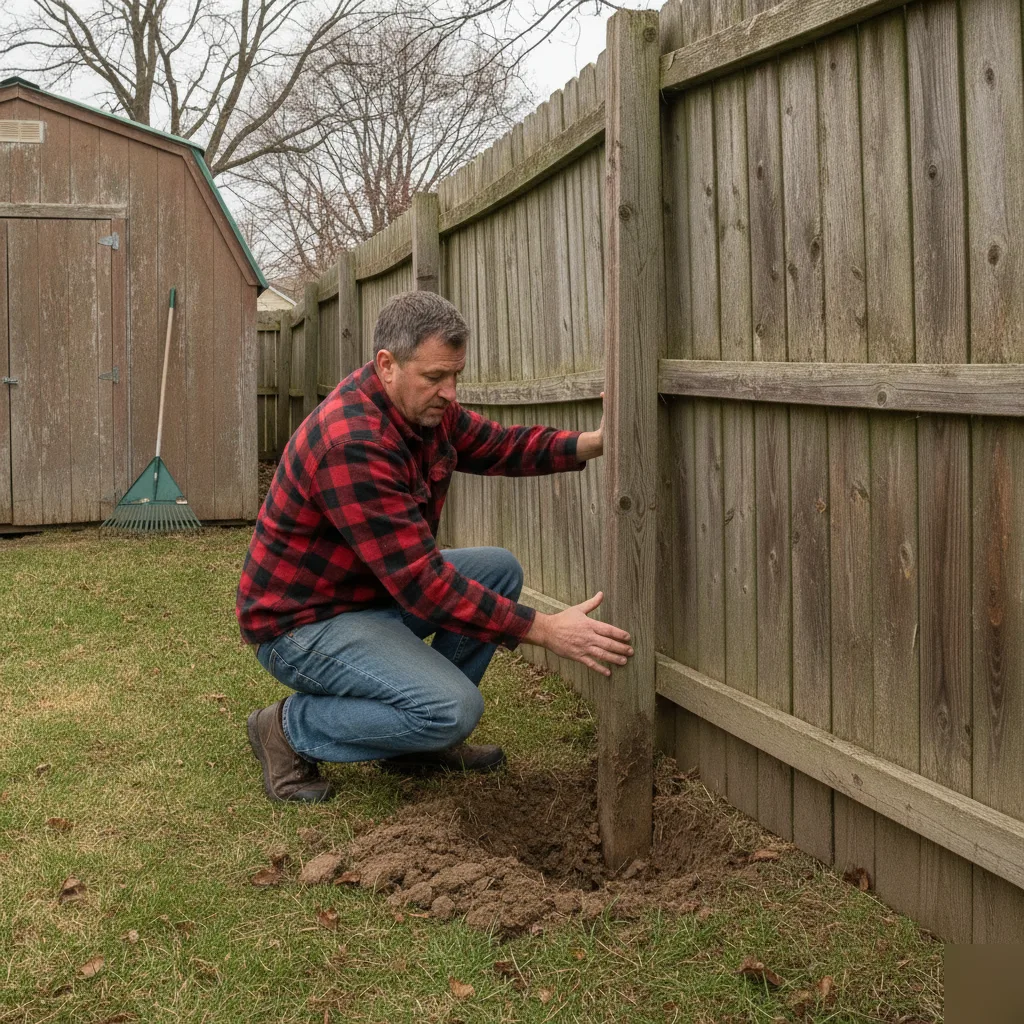
Leaning posts, wobbly panels, and gaps at the base are the biggest warning signs. You might also notice a post sitting higher than it used to, which points to frost heave pushing it upward. Cracked concrete around the base is another red flag. If you spot any of these signs after a Brownsburg winter, your posts likely need to be reset at a proper depth to stop further damage.