
Brownsburg, IN
Best Room for a Home Office in Brownsburg | Guide
Natural Light Makes or Breaks a Home Office
Many Brownsburg homeowners think about size first when picking a home office room. That's often a misstep. The real secret to a productive and happy work-from-home setup is good natural light. A room bathed in sunlight changes your whole outlook, your mood, and how you appear on video calls. It truly makes a big difference.
Your body needs daylight. Studies show getting natural light during work hours helps you sleep better and stay sharper. That matters when your commute is only a few steps.
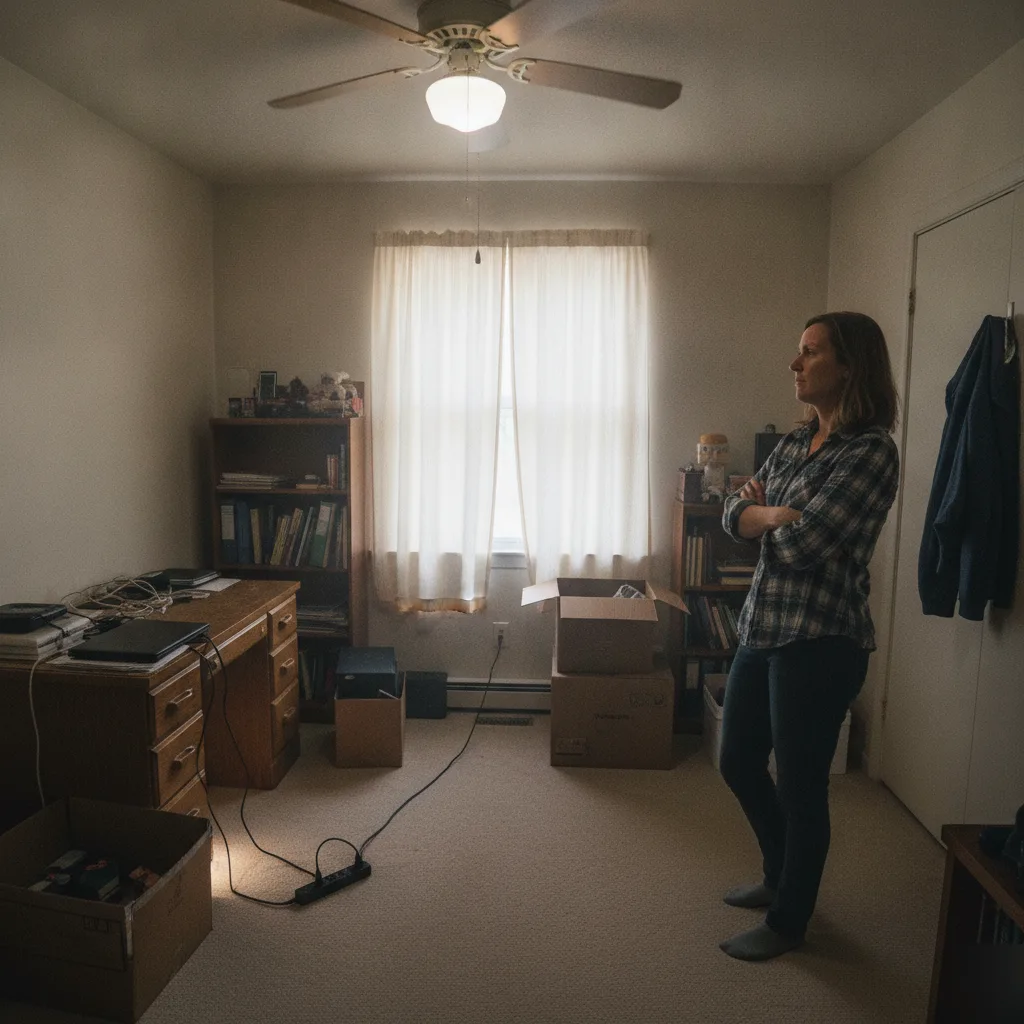
Here in Brownsburg, we see this a lot. The team runs into many homes from the early 2000s, especially with those bonus rooms or extra bedrooms facing north. These spaces often feel dim all day. By late afternoon in winter, they're like caves. You'll feel that drag fast after spending eight hours there.
Which Direction Should Your Windows Face?
Sunlight isn't all the same. The direction of your home office windows really shapes your daily experience in that space.
- North-facing windows give you steady, soft light all day long with almost no glare on your screen
- East-facing windows flood the room with morning light, then go quiet by afternoon
- South-facing windows deliver the most light overall but can cause overheating in summer
- West-facing windows create harsh afternoon glare that makes screen work miserable
For a good home office renovation, north or east usually hits the sweet spot. You get usable brightness without fighting screen glare. A south-facing room can work too, but you need the right window treatments.
Watch for Glare Problems Before You Commit
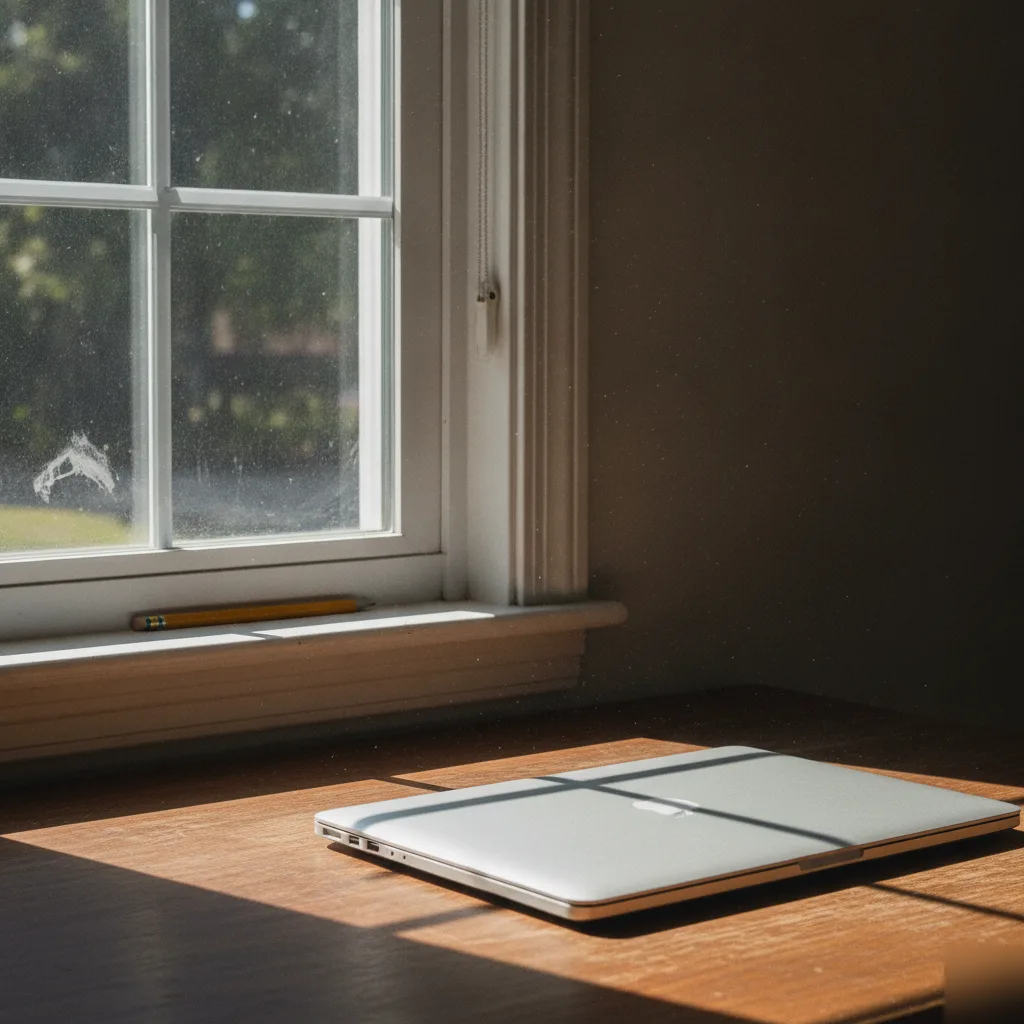
Here's a truth only experience teaches you (we've been doing this in Brownsburg for 18 years, so we've seen a lot). A room can be filled with light and still make a terrible office. If the sun blasts your monitor for a couple of hours every day, you'll just close the blinds. Then that whole benefit is gone.
Before you pick your room, spend time in it at different hours.
Morning, midday, late afternoon. Bring your laptop. Watch where the light falls on the screen. This ten-minute check saves so much frustration over months of work.
Many Brownsburg homes near Arbuckle Acres, and in those older spots along Green Street, have big, old trees. Those trees often sit on the south and west sides, they act like natural filters. They soften the harsh sun and let plenty of light through. That's actually perfect for a home office.
If your preferred room gets too much sun, the fix is simple. Light-filtering roller shades or a plain interior shutter can sort it out. No full renovation needed. The team handles these kinds of projects often for Brownsburg homeowners making spare rooms into real workspaces.
Keep this in mind, no windows means no office. Basement rooms or closet offices sound smart on paper. People burn out fast without daylight. Your body needs that connection outside.
And don't forget backup light. Even the brightest room gets gloomy on cloudy Indiana days. A good desk lamp with a daylight-temperature bulb fills in those gaps. It keeps you from feeling like you're under office fluorescents.
Choosing the right room for natural light is the first step. Every other decision for your home office builds on this.
Room Size and Shape Matter More Than Square Footage Alone
A 12x12 room and a 9x16 room might have identical square footage. But they feel totally different when you work in them eight hours a day. Your home office shape matters just as much as its size, sometimes even more.
Most folks just grab a tape measure. They search for the biggest spare room. That's a mistake the team sees again and again in Brownsburg homes. A large bonus room sounds great at first. Then you find your desk stuck in one corner. The rest is just wasted space. You're heating or cooling 200 square feet you don't even use.
What Actually Fits in Your Home Office
Before you pick a room, really think about what goes inside. You need a desk, a chair, maybe a bookshelf or file cabinet. Perhaps a second monitor. Enough space to push your chair back without hitting a wall. Room to stand and stretch. That covers most people's needs.
Here's how we size up a room's shape:
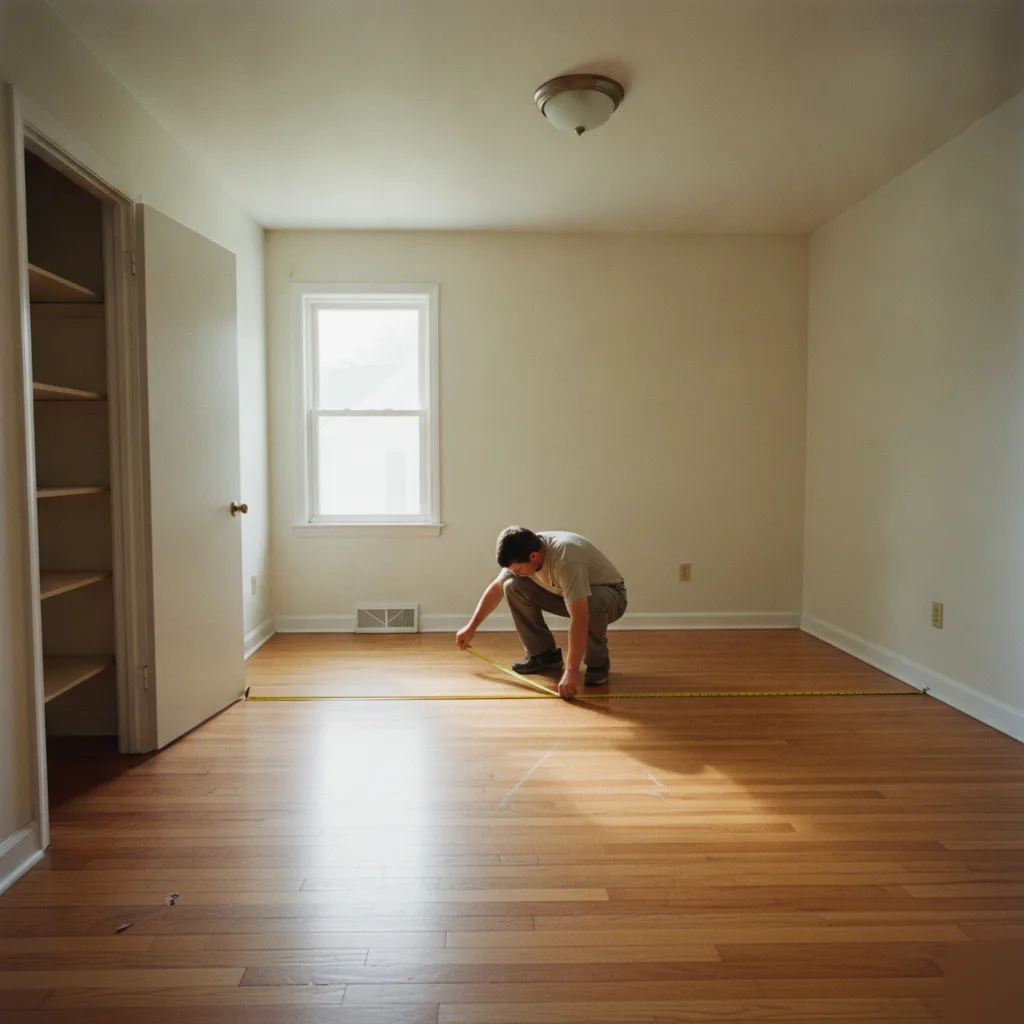
- Measure each wall that could hold a desk. You need at least 5 feet of unbroken wall for a standard setup.
- Check the door swing. A door opening inward eats up 8 to 10 square feet of usable floor.
- Stand in the middle and stretch out your arms. If you can't move freely, the room will feel tight during long work days.
- Look at outlet locations. Your desk often has to go where the power is.
- Note any closets. A closet in a home office is great for storage, but it also cuts down your usable wall space.
Many homes near Arbuckle Acres and those older Brownsburg areas have bedrooms in the 10x10 to 11x12 range. These are actually great sizes for a home office. They feel focused. They're big enough to move around a bit.
Once you've settled on a room, it's worth thinking about how your workstation is set up inside it. The safe home office workstation setup guidelines from OSHA cover monitor height, chair position, and desk depth — all things that affect how well any room actually works for you long term.
Long and Narrow vs. Square
Square rooms give you more choices for layout. You can face any wall. Put shelves behind you. Keep the door off to one side. Long narrow rooms push your desk to an end. That's not always bad, it can make a clear "work zone" and "entry zone." But it limits your arrangements.
Here's something only a remodeler would tell you, ceiling height really changes a room's feel. A 10x10 room with 9-foot ceilings feels open. That same room with 7.5-foot ceilings (common in older finished basements in Brownsburg) feels cramped. If you're thinking about a basement home office, check that height first.
And don't forget those corners. L-shaped rooms or ones with alcoves can actually work better than simple rectangles. That odd nook becomes the perfect spot for a printer. Or maybe a small reading area.
The room doesn't need to be huge. It just needs to match how you work. Someone on video calls all day needs a clean background and enough depth for the camera. A writer needs a desk, a chair, and quiet. Different jobs, different room needs.
So, before you just grab the biggest open space, spend twenty minutes in each room. Bring your laptop. See how it feels. That quick check beats any floor plan.
Noise and Privacy Are Structural Problems, Not Furniture Fixes
Many Brownsburg homeowners pick a room for their home office just by size or where it sits. Then they try fixing noise later with rugs or drapes. That barely ever works. Sound moves through walls, floors, even ductwork. No amount of soft stuff will fix a built-in noise problem.
The team sees this issue constantly in homes all over the Brownsburg area. Someone sets their office right next to the laundry room. Or directly over the family room. Two weeks in, they can't take a single call without background noise. The issue isn't the furniture. It's the room choice itself.
Where Noise Comes From in Brownsburg Homes
Most homes built in Hendricks County over the past two decades use pretty standard interior wall construction. That means a single layer of drywall on each side of a 2x4 stud wall. This setup does very little to stop sound. The National Association of Home Builders says these walls get an STC rating around 33. That means normal talking goes right through.
These are the common noise sources that wreck a home office:
- HVAC systems with return air vents. These often connect rooms through shared ductwork.
- Plumbing lines inside walls next to bathrooms or kitchens.
- Foot traffic on hardwood or laminate floors, directly above or below you.
- Garage doors and outside walls near driveways, especially with thin insulation.
You can't fix any of that with a bookshelf.
These problems are literally built into the house's bones,
Privacy Goes Both Ways
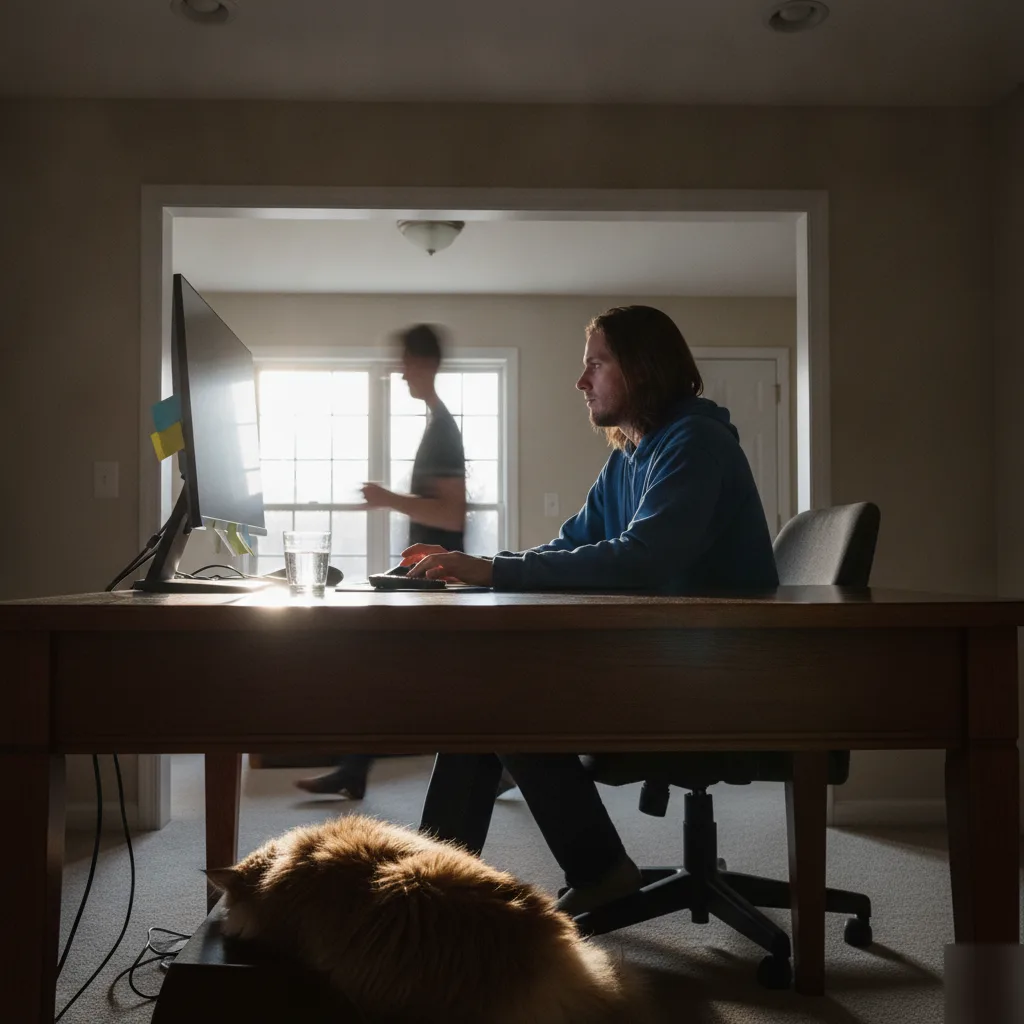
Think about it from the other side. You're on a video call, talking about something confidential. Can your family in the hallway hear every single word? That's not just annoying. It's a real worry if you handle sensitive work information.
Rooms sharing walls with busy spots like kitchens or living rooms are the biggest trouble spots. But rooms at the end of a hallway, or tucked away in a house corner, naturally build a sound buffer. That buffer matters more than square footage when picking your home office.
The team once worked with a Brownsburg homeowner. She had this lovely spare bedroom upstairs. Plenty of light, decent size. But it shared a wall with the kids' bathroom. It also sat right over the kitchen. Every flush, every dish clatter came through loud and clear during her work hours. A smaller room downstairs, farther from the home's busy spots, ended up being the much better choice.
And here's what most people miss until it's too late. Doors matter as much as walls, a hollow-core interior door acts like it's not even there. If you're serious about a quiet home office, your chosen room needs a solid-core door. Or it needs to be ready for one.
So, before you commit to a room, spend a full day just listening. Pay attention during the morning rush. Listen when the HVAC comes on. Listen when someone's watching TV downstairs. The room that stays quiet through all that, that's your home office.
If you find no room gives you true privacy, that's a sign. The space might need some remodeling to work as an office. A quick chat with the team about our home office remodeling services helps you figure out what's possible for your Brownsburg home. We're here for all your home remodeling projects and questions.
Call us at (317) 523-8886 or visit tbrodnikgroup.com to get started.
Frequently Asked Questions
Does the direction my windows face really matter for a home office in Brownsburg?
Yes, window direction makes a big difference in how comfortable your home office feels every day. North-facing windows give you steady, soft light without glare. East-facing windows are great for morning workers. South and west-facing rooms can get too bright or too hot, especially in Brownsburg summers. Before you commit to a room, sit in it at different times of day with your laptop open. That quick test tells you more than any floor plan ever will.
Can I use a basement room as a home office in my Brownsburg home?
A basement office can work, but it comes with real trade-offs. Many finished basements in Brownsburg have ceiling heights around 7.5 feet, which can feel tight during long work days. The bigger problem is no natural light. Without daylight, most people feel drained and unfocused within a few weeks. If your basement has egress windows, that helps. But a windowless basement room is rarely a good long-term choice for daily work.
What's the most common mistake Brownsburg homeowners make when picking a home office room?
The most common mistake is choosing the biggest available room without checking the light or layout. A large bonus room sounds great, but many in Brownsburg face north and stay dim all day. Size alone does not make a good workspace. A smaller 10x10 bedroom with good east-facing light and a clean wall for your desk will serve you far better than a big dark room with no natural daylight.
How do I know if a room is the right shape for a home office setup?
Check for at least 5 feet of unbroken wall space where your desk can go. Then look at the door swing — an inward-opening door eats up 8 to 10 square feet of usable floor. Stand in the middle and stretch your arms out. If it feels tight, it will feel worse after eight hours of work. Square rooms give you more layout options than long narrow ones. If you want help turning a spare room into a real workspace, our home office remodeling page walks through what that process looks like.
Do the older homes near Green Street and Arbuckle Acres in Brownsburg work well for home offices?
Yes, many of them actually work very well. Older Brownsburg homes in those areas often have mature trees on the south and west sides. Those trees act like natural filters, softening harsh afternoon sun while still letting good light through. The bedrooms in those homes, usually 10x10 to 11x12, are a solid size for a focused workspace. The main thing to check is which direction the windows face before you pick your room.
What should I do if my best room option gets too much direct sunlight?
Too much direct sun is a fixable problem. Light-filtering roller shades or interior shutters can cut glare without blocking the room's brightness. You do not need a full renovation to make a sunny room work. The key is keeping the light diffused, not shutting it out completely. Closing heavy blackout blinds all day defeats the whole point of picking a bright room. A simple shade solution keeps your screen readable and your mood lifted throughout the workday.