
Why 'Every 10-15 Years' Isn't the Real Answer
The 10-15 year rule is a rough average, not a schedule for your home. How well the original work was done, how hard you use the space, and hidden moisture matter far more than age. Let the condition of the house tell you when it's time.
You've probably heard that kitchens and bathrooms need a refresh every 10 to 15 years. It's a handy number. But it isn't a plan.
That figure comes from averages. It blends homes that got great care with homes that didn't. It also blends a busy family of five with a retired couple who cook twice a week. So it can't tell you much about your house.
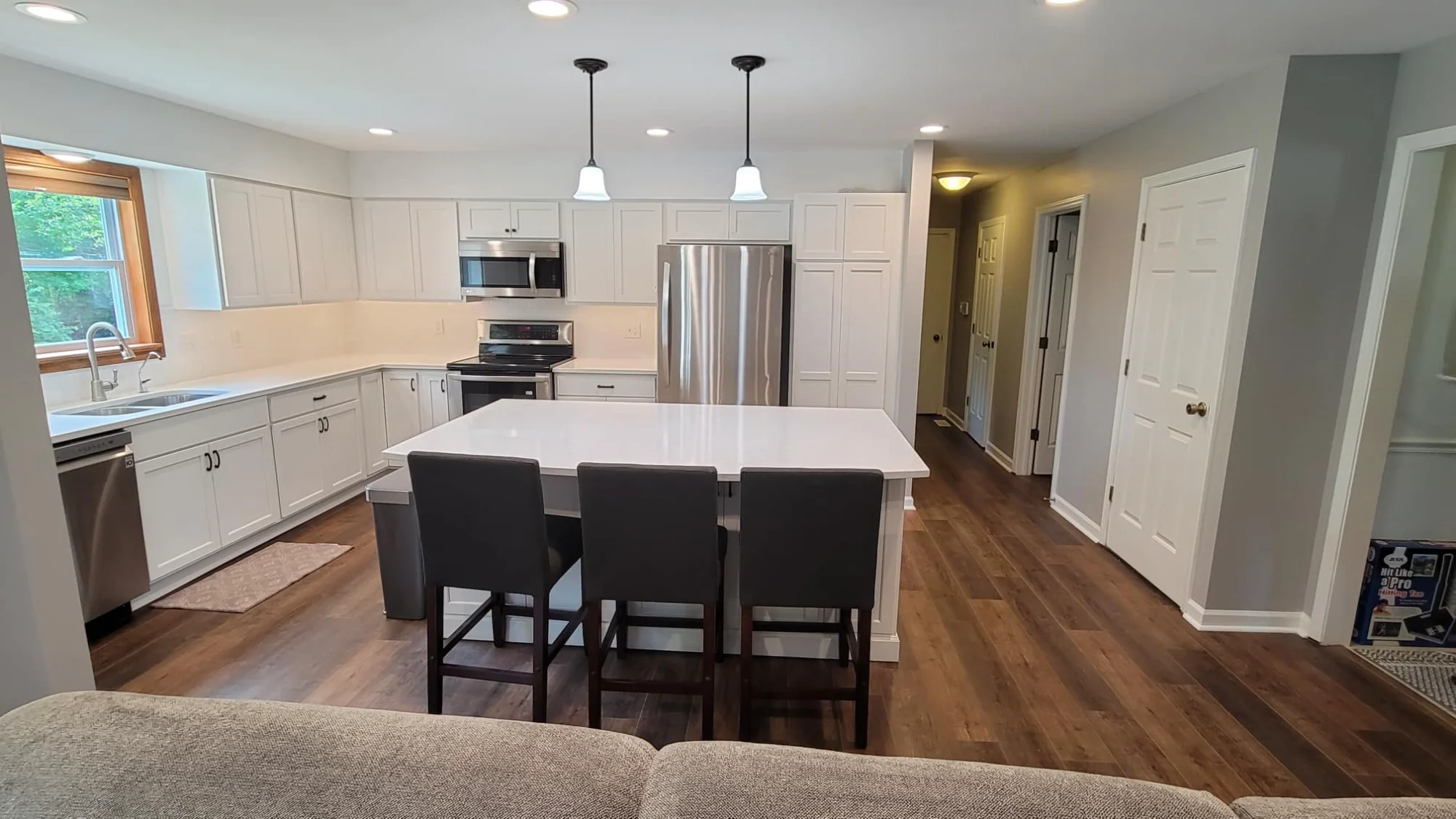
The team sees this in Brownsburg all the time. Picture two homes on the same street, built the same year. One kitchen still works fine at 20 years old. The other has swollen cabinet boxes at year 12, and the sink base has been leaking quietly for years.
So what decides the timing?
It comes down to a few things a calendar can't measure. Here's what the team checks first during a walkthrough.
- How the original work was done. Builder-grade particleboard cabinets wear out much faster than solid wood boxes.
- Daily wear. A kitchen that feeds teenagers three times a day ages faster than one used on weekends.
- Hidden moisture, which is the big one. Slow leaks under sinks and around tubs shorten a room's life more than anything else.
- Whether the layout still fits your life. A floor plan built around toddlers rarely works once those kids can drive.
- Indiana weather. Freeze-thaw cycles and humid summers stress windows, decks, and basements year after year.
Quality matters more than age.
This hits close to home in Brownsburg. A lot of houses here went up during the big growth years of the 1990s and 2000s. Many still have their original builder-grade finishes. Some have held up well. Others are starting to show soft spots, loose tile, and tired fixtures right on schedule.
Here's a quick fieldwork tip. Open the cabinet under your kitchen sink and press on the floor of it. If it feels soft or looks stained, that's your house talking. Check the floor around the toilet the same way.
But the opposite mistake happens too. Some homeowners tear out a solid kitchen just because the color feels dated. That sends a lot of good material to the dumpster. Fresh paint or new hardware might have done the trick.
One Brownsburg couple called the team about a full bathroom remodel at year eight. The tile looked tired and the vanity was scratched. But the subfloor was solid and the plumbing was sound. New grout, a new vanity, and updated fixtures gave them the fresh look they wanted. Their big remodel can wait another decade, maybe longer.
Not every dated room needs to be gutted. And not every young room is safe from trouble. The honest answer depends on what's behind the walls and under the floors, not the date on your closing papers.
So treat a decade or so as a reminder to check. Don't treat it as a deadline to spend.
Call nowSigns Your Home Is Due for a Remodel
Most homes in Brownsburg don't tell you outright that they need a remodel. They drop hints. A sticky drawer here. A faint stain on the ceiling there. After a few years, those small hints add up to a house that doesn't work for you anymore.
The team walks through a lot of Brownsburg homes built in the 1990s and early 2000s. Many still have their original kitchens and bathrooms. That's 20 to 30 years of daily cooking, showers, and foot traffic on the same surfaces.
So what should you watch for? Here are the signs that come up most often on home visits.
- Soft spots in the floor near a toilet, tub, or dishwasher. That usually points to a slow leak you can't see.
- Cabinet doors that won't stay shut, plus shelves that sag or a finish that's peeling at the edges.
- Grout and caulk that crack again a few months after you fix them.
- A layout your family has outgrown, like everyone fighting for one bathroom every morning.
- Breakers that trip when the microwave and toaster run at the same time.
- Drafty windows and doors that let cold Indiana winters right into the living room.
You don't need every item on that list to start planning. Two or three of them in the same room is usually enough to take a closer look.
Water is the one sign you can't put off.
Here's a real example. A couple near Arbuckle Acres Park called the team about their dated kitchen cabinets. They just wanted a fresh look. But once the old sink base came out, the subfloor underneath was dark and spongy. A small drip had been running for years. Catching it during the remodel kept it from turning into a much bigger repair later.
That story isn't rare. Paint can hide a stain, but it can't fix the leak behind it. Most people don't realize this until the floor starts to give.
Central Indiana weather plays a part too. Brownsburg sees plenty of freeze and thaw cycles every winter. That constant swelling and shrinking pulls at exterior caulk and window seals. Over time, moisture finds its way into walls. Bathrooms and kitchens on outside walls tend to show it first.
Not every sign is about damage, though. Some are about how your life has changed. Maybe the kids are grown and that extra bedroom sits empty. Or maybe stepping over a tall tub edge feels a little riskier than it used to. Those are fair reasons to remodel. A house should fit the people living in it now.
One tip the team shares often: walk through your home like a guest would. Open every cabinet. Run every faucet. Flip the bathroom fan on and listen. Notice anything you've learned to work around? That workaround is usually the clue.
Call for a free estimate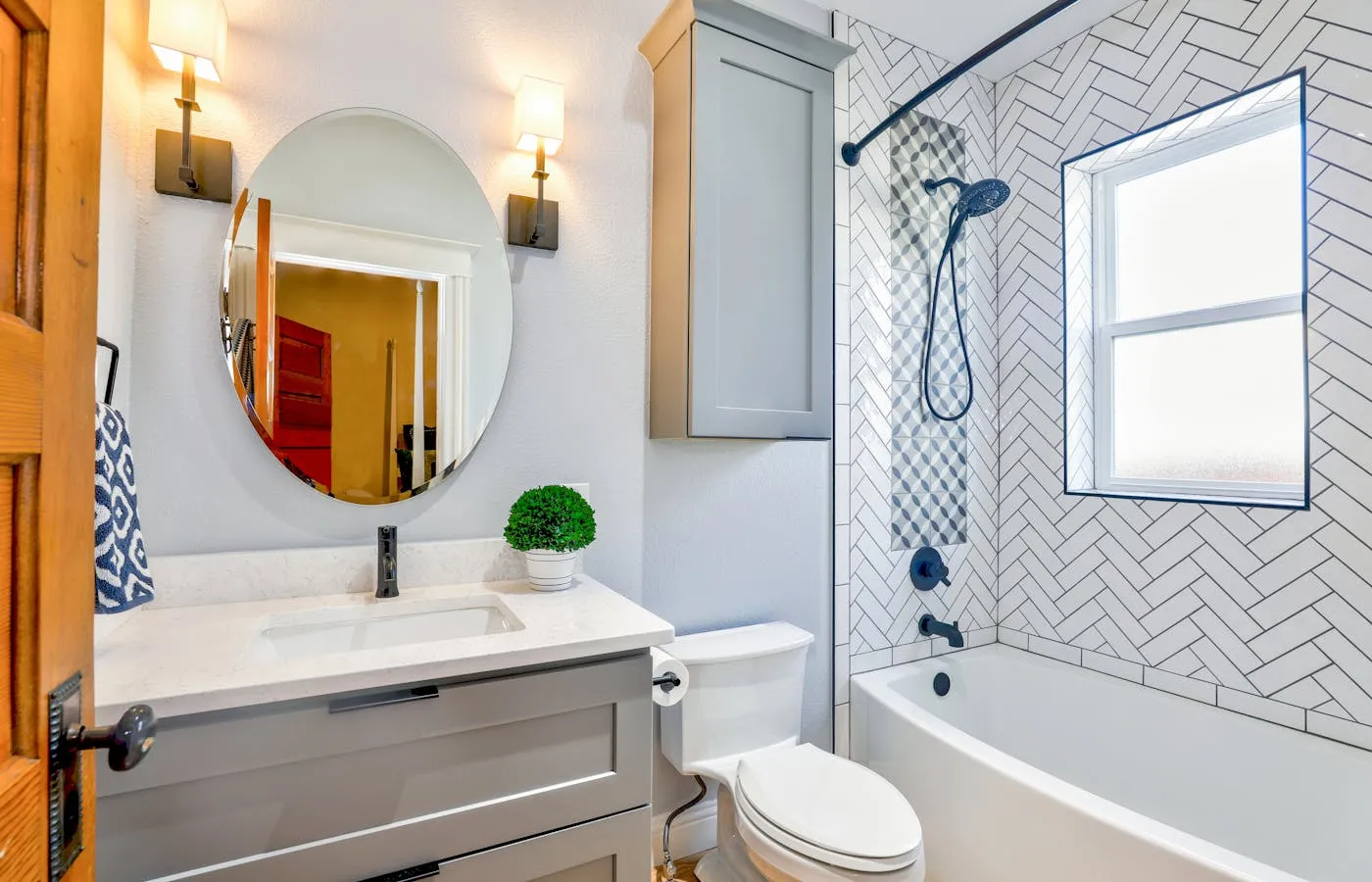
How Often to Remodel a Kitchen or Bathroom
Kitchens and bathrooms wear out faster than any other rooms in your home. They deal with water, heat, grease, and daily foot traffic. Most Brownsburg homeowners plan a kitchen remodel every 15 to 20 years. Bathrooms usually need it sooner, closer to every 10 to 15 years.
Those numbers aren't a rule. They're a starting point.
Bathrooms take a beating from steam every single day. Grout cracks. Caulk pulls away from the tub. And once water gets behind tile, it doesn't stop on its own. That's why bathrooms tend to hit the finish line first.
Kitchens age differently. Solid cabinets can last decades, but the layout is usually what gives out first. Appliances often need replacing after a decade or so. But if your kitchen doesn't fit how your family cooks and gathers anymore, the age of the cabinets doesn't really matter.
Central Indiana adds its own wear. Hard water leaves mineral buildup on faucets and showerheads. Humid summers and dry furnace air in winter make wood cabinets swell and shrink year after year. Over time, joints loosen and doors stop closing right.
So how do you know it's really time? The calendar helps. But the room itself tells you more. Watch for these signs:
- Soft or spongy flooring near the toilet, tub, or dishwasher
- Cabinet doors that sag or won't stay shut
- Grout and caulk you've patched more than twice
- Not enough outlets for the appliances you use
- A layout that makes two people bump into each other at dinner time
Any one of these on its own might be a repair. Three or more usually point to a remodel.
The team sees a common pattern in Brownsburg subdivisions built in the 1990s and early 2000s. A couple called about a bathroom that just looked dated. They wanted new tile and a new vanity. Once the old floor came up, the subfloor near the toilet was soft and dark from a slow wax ring leak. It had likely been going for years. A cosmetic update would've covered up a real problem.
A soft spot near the toilet almost never means a new leak. It usually means an old one nobody caught.
Refresh vs. remodel is the next question most people ask. A refresh means paint, hardware, lighting, and maybe new fixtures. It works when the bones are solid and the layout still fits your life. A remodel goes deeper. It covers plumbing, wiring, subfloors, and layout changes. If water damage or an awkward floor plan is the real issue, a refresh just buys you a few years before you're back where you started.
Not sure which one your kitchen or bathroom needs? An honest walkthrough usually answers that in under an hour. The team will tell you straight if a refresh is enough.
Call for a free estimate