
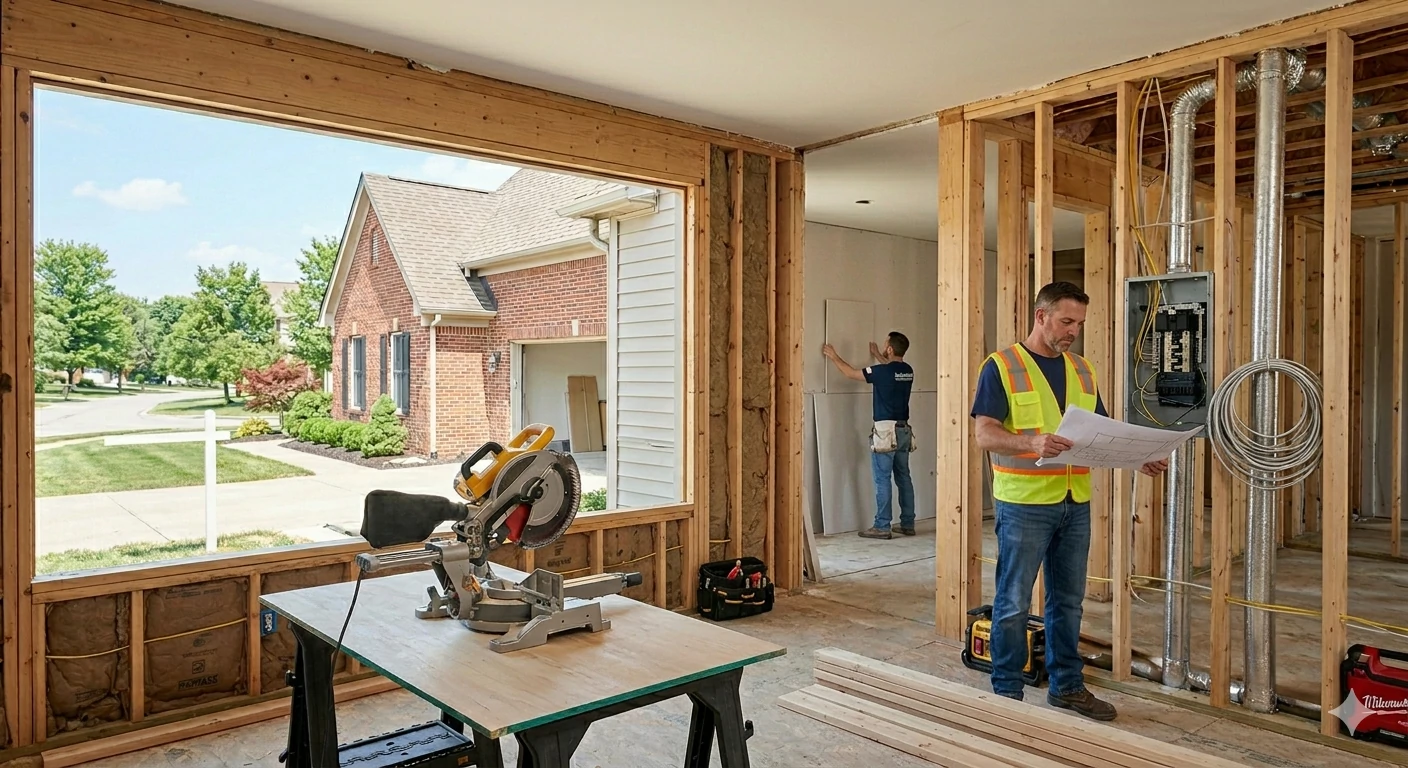
What Makes a Remodeling Contractor Truly Reliable
A reliable remodeling contractor shows proof of licensing, gives you a written scope of work, and communicates on a schedule you can count on. Watch for how they handle the small stuff, like returning calls and pulling permits, because that behavior predicts how they'll handle your project.
Learning how to find an honest and reliable remodeling contractor starts with knowing what reliability looks like on paper and in person. It's not just a good feeling after a sales pitch. In Brownsburg, the team sees homeowners get talked into projects by contractors who sound great over the phone, then disappear halfway through a kitchen tear-out. Reliability shows up in patterns, not promises.
Here's something most people don't think about until it's too late: a contractor's paperwork habits tell you almost everything. Does the estimate list materials by name, or does it just say 'kitchen remodel, materials included'? Vague paperwork usually means vague accountability later.
- Holds a current Indiana contractor registration and can show proof without hesitation
- Provides a written contract with a defined scope, timeline, and payment schedule tied to work completed
- Pulls the required Hendricks County permits instead of asking you to skip them
- Answers direct questions about subcontractors and who will be on your job site
- Has a stable local address and a track record you can verify, not just a phone number
That permit point matters more than most homeowners realize. Skipping a permit on something like a load-bearing wall change might save a week upfront, but it can cause real headaches during a home sale inspection down the road. And a contractor willing to cut that corner on paperwork is often willing to cut corners on framing, too.
One thing worth asking yourself: how does this person talk about past problems on other jobs? A reliable contractor will admit that things go sideways sometimes, a supplier delay, a hidden pipe behind drywall, and explain how they handled it. Someone who claims every job goes perfectly is either new or not being straight with you.
Communication style is the other tell. If a contractor is slow to respond before you've signed anything, that pace won't improve once they have your deposit.
Questions to Ask a Remodeling Contractor Before Hiring
A good conversation tells you more than a shiny brochure ever will. We've sat across the table from a lot of Brownsburg homeowners, and the ones who ask sharp questions almost always end up happier with the finished job. Here's what to bring up before you sign anything.
- Are you licensed and insured for work in Hendricks County? Ask to see proof, not just a verbal yes.
- Who pulls the permit, you or the homeowner? On most remodels in Brownsburg, the contractor should handle this.
- Can I see two or three finished projects nearby? Photos are fine, but a drive-by is better.
- What's your payment schedule? A fair schedule ties payments to completed work, not a big deposit upfront.
- Who's on the crew? Some companies sub out everything and never mention it.
- How do you handle change orders? You want this in writing before you're mid-project.
- What happens if we hit a surprise, like old wiring or water damage behind a wall?
That last one matters more than people think. Older Brownsburg homes, especially ones built before the 1990s, sometimes hide surprises behind drywall. And a contractor who's been through it before will have a plan, not a shrug.
Watch how they answer, not just what they say.
A contractor who gets defensive about insurance or dodges a question about past projects is telling you something. So is one who answers fast, clear, and without hesitation. We've found that the contractors enjoy these questions because it gives them a chance to show their work. If someone rushes you toward a signature before you've asked anything, that's a red flag on its own.
One more thing worth asking, especially for bigger jobs like kitchen or bath remodels: who's your point of contact once work starts? You don't want to be chasing down three different people every time you have a question about your home.
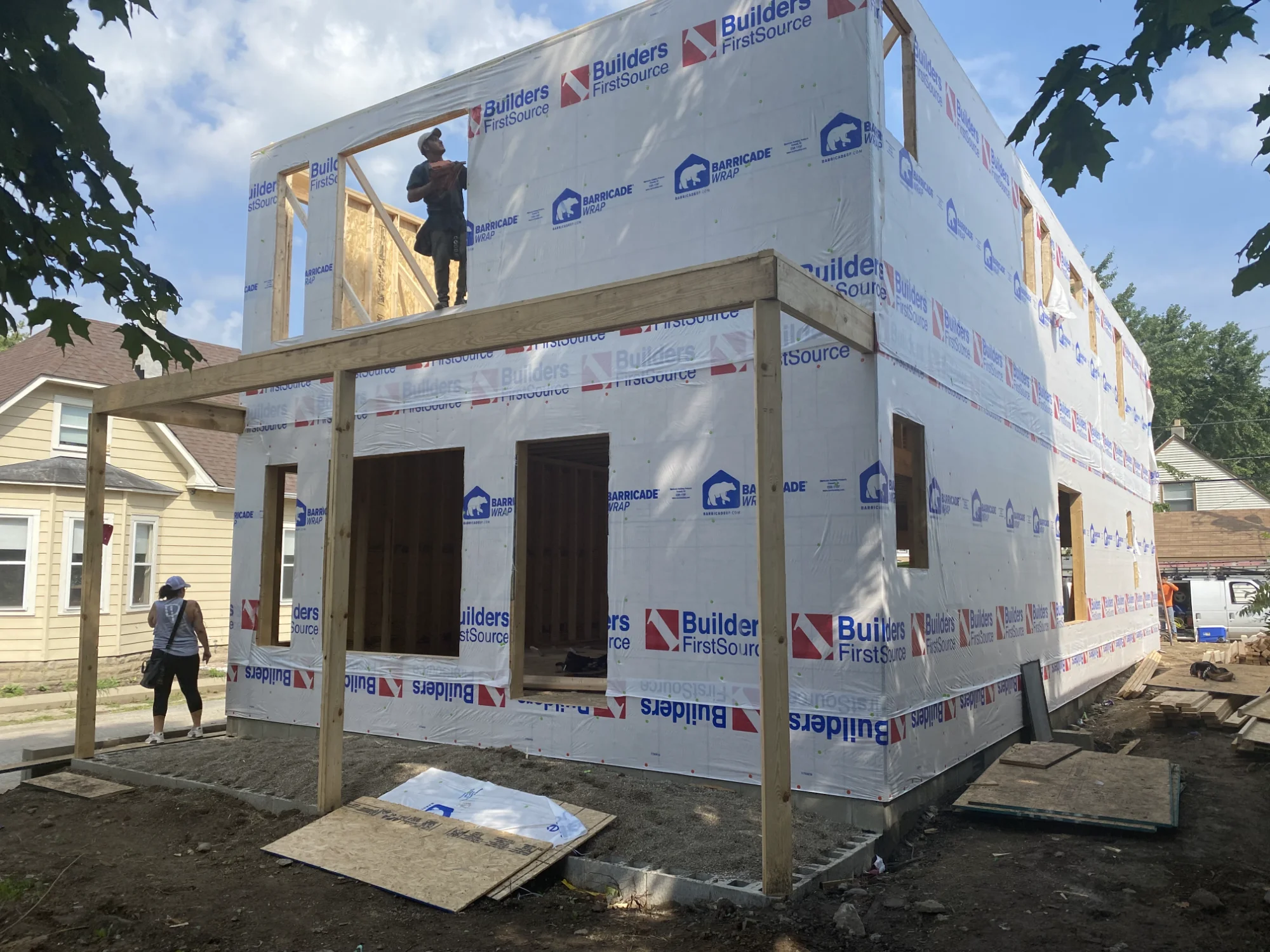
Remodeling Contractor Red Flags to Watch For
Most bad remodeling jobs don't start with bad work. They start with a bad hire. I've walked into homes in Brownsburg where the drywall looked fine on day one, but the framing behind it was never squared up. By the time the owner noticed, the contractor had already cashed the final check. So how do you catch this before it happens? You watch for patterns, not just gut feelings.
Here are the signs that should make you pause before signing anything.
- A quote that's way lower than every other bid you got, with no clear reason for the gap
- Reluctance to pull permits for work that legally needs one, especially structural or electrical changes
- No local address or a phone number that only ever goes to voicemail
- Pressure to sign a contract the same day you meet, before you've had time to think it over
- A request for a large upfront payment before any materials or labor have been scheduled
- Vague scope of work written in one paragraph instead of a detailed line-item breakdown
That last one trips up more homeowners than any other item on this list. A vague scope of work leaves room for a contractor to cut corners and still say they did the job. And once the walls are closed up, you have no way to check what's behind them.
One more thing worth mentioning, since it comes up a lot around here. Hendricks County requires permits for most structural, electrical, and plumbing changes, even on older homes near downtown Brownsburg that seem to have been "grandfathered in." A contractor who tells you permits aren't necessary is either wrong or hoping you won't ask questions later. Either way, that's a problem.
None of these signs guarantee disaster on their own.
But when two or three show up together, that's your answer. A contractor who dodges permit talk and also wants half the money before work starts isn't someone you want holding a set of keys to your house. Trust your read on the situation. It's usually right.