
What Renovation and Improvement Mean
A renovation brings an existing space back to good shape or updates how it looks, while the room keeps doing the same job. An improvement is the wider term for any project that adds something new, like more function, more space, or more value. Every renovation counts as an improvement, but plenty of improvements aren't renovations.
Homeowners in Brownsburg IN ask the team about renovation vs. improvement all the time. The words get used like they mean the same thing. They don't. Knowing the difference helps you explain your project clearly, and that leads to better plans from the start.
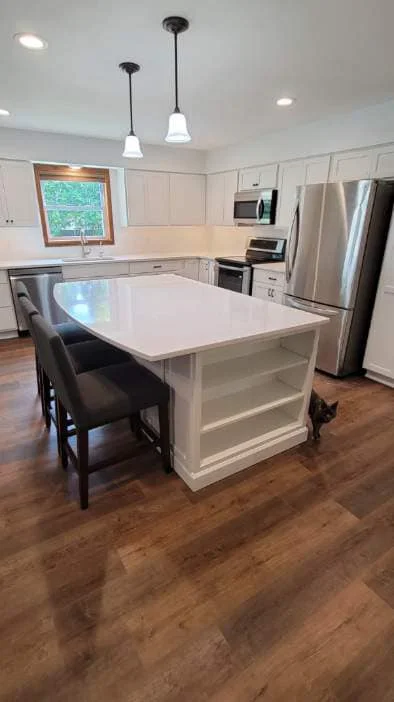
Start with renovation. A renovation takes something that already exists and makes it new again. Think of a 2002 kitchen with worn oak cabinets and laminate counters. You replace the cabinets, swap the counters and update the lighting. It's still a kitchen in the same spot, it just works and looks like it was built this year.
Improvement is broader. It covers any project that makes your home better than it was before. That might mean adding something that was never there.
- A finished basement where there used to be bare concrete
- New windows that cut drafts during a Hendricks County January
- A covered porch built off the back of the house
- Better attic insulation so the upstairs stops running hot every July
None of those restore an old space. They add something. So they're improvements, not renovations.
Here's the simplest test the team uses. Ask yourself if the space keeps its same purpose. If it does and you're mostly refreshing finishes, fixtures or surfaces, you're likely looking at a renovation. If you're adding square footage, adding a feature or upgrading how the house performs, you're in improvement territory.
But real projects rarely stay in one box.
Take a family in one of the subdivisions off Northfield Drive. They called about a bathroom renovation. New tile, new vanity, new tub surround. Simple enough. Then the old floor came up and the subfloor near the toilet was soft from a slow leak nobody had noticed. The plan grew. Now there was repair work, a new exhaust fan vented outside instead of into the attic, and a few other things they hadn't planned on -
That's normal. Most people don't realize how often a renovation turns into part improvement once the walls or floors open up. A lot of Brownsburg homes went up during the building boom of the 1990s and 2000s. Those homes are now hitting the age where original exhaust fans, shutoff valves and window seals start to wear out. And you won't always see it until you're mid-project.
Why does the label even matter? A few reasons. It shapes how you plan the timeline. It helps you know whether a permit is likely, since adding space or changing systems usually needs one while swapping a vanity often doesn't. And it gives you a clearer way to talk with a contractor about what you really want.
One more grounded truth from the field. The word you use matters less than the goal you describe. Tell the team what's bugging you about the space and what you want it to do. Too dark, too cramped, too cold, too dated. Somewhere between those answers sits the right project, whatever you end up calling it.
Why the Label You Use Changes What Happens Next
The word you pick on that first phone call sets everything in motion. Say "improvement" and a contractor pictures a quick job with one trade. Say "renovation" and they picture drawings, permits, and a longer schedule. Neither one is wrong. But if the label doesn't match the real job, you'll feel it later.
The team sees this mix-up all the time in Brownsburg. A homeowner asks for a few small updates. Then the walkthrough shows a much bigger project.
Here's a real example. A couple near Arbuckle Acres Park called about "freshening up" their kitchen. New paint and new cabinet doors. Simple enough. But halfway through the visit they mentioned moving the sink to the island, and that changes the whole job. Now there's plumbing to reroute and a drain line to run under the floor. There's a permit and inspections too. That's a renovation, not an improvement.
So what shifts when the label changes? Quite a bit. These are the five things that move first.
- Permits. Work that touches structure, wiring, or plumbing usually needs a permit through the Town of Brownsburg. Paint and new hardware usually don't.
- Who shows up. An improvement might need one painter or one installer. A renovation needs someone to line up framers, electricians, and plumbers in the right order.
- The schedule. Small upgrades often wrap up in days. Renovations can run for weeks once you add inspections and material lead times.
- Planning time. Renovations need layouts and selections made before demo starts. Skipping that step is how projects stall.
- Your records. The IRS explains in Publication 523 that some improvements can add to your home's cost basis. Good paperwork matters here.
Notice how none of that is about style or finish. It's about process. The bigger the change to your home's bones, the more steps it takes to do it right.
Most people don't realize how much is hiding behind their walls. Plenty of Brownsburg homes went up in the 1990s and 2000s. Open one wall in those houses and you'll often find ductwork or a load path you didn't expect. A wall that looks easy to remove might be holding up part of the second floor. That's when a weekend project becomes something else entirely, and it's why the team opens walls only after a plan is in place.
Calling it the right thing up front protects you.
And it protects your budget planning too. A crew that expects a simple swap won't plan for inspections. Or for the electrician who needs to come back twice. When surprises show up mid-job, the delays stack fast. The team would much rather catch that on day one than on day twelve -
Not sure which word fits your project? That's normal. You don't have to know the answer before you call. Describe what you want to change and why. A good contractor will tell you plainly whether it's an improvement or a full renovation. They'll also explain what that means for your timeline.
Talk through your project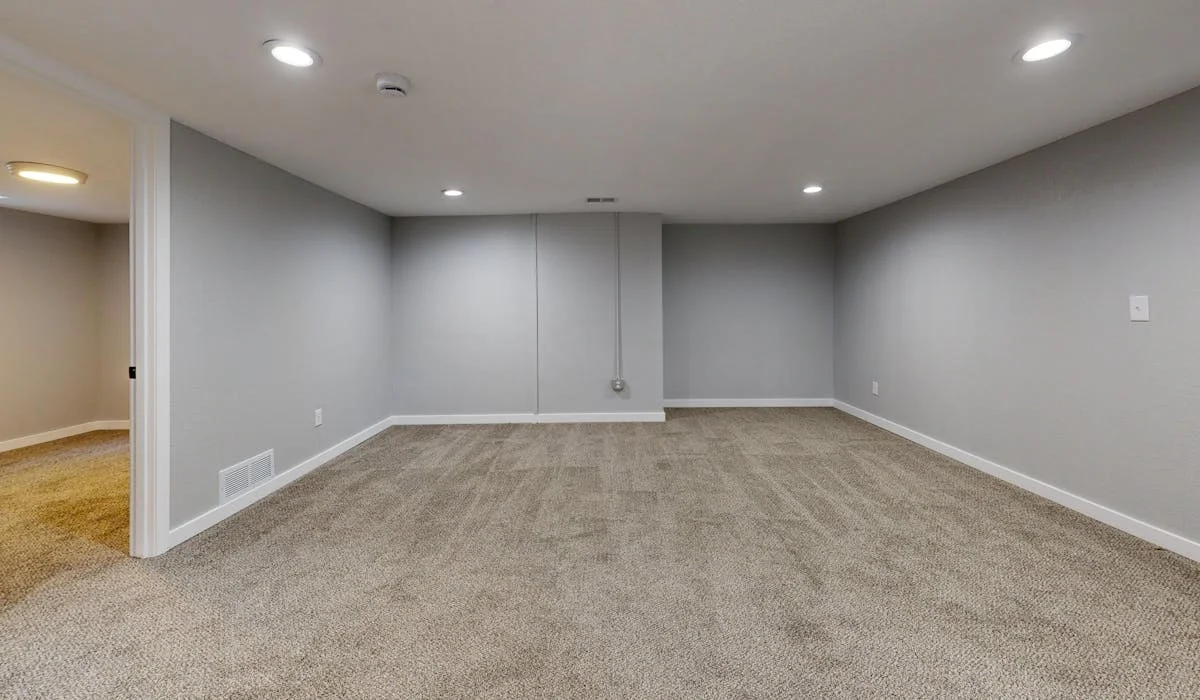
Matching Your Project to the Right Category
Most Brownsburg homeowners don't start with a label. They start with a problem. The kitchen feels cramped. The basement just sits there. Maybe the bathroom hasn't changed since the house went up in 1994.
So how do you know which bucket your project falls into? The team uses a short set of questions on almost every first visit. Run through them in order.
- Ask what's already there. If the space exists and you're updating it, you're leaning toward renovation.
- Ask what's missing. If you want something the house never had, like a new room or a finished basement, that's an improvement.
- Check the layout. Moving walls, plumbing, or doorways inside an existing room usually counts as renovation.
- Look at function. A change that adds living space or a new use for the home points to improvement.
- Think about the systems behind the walls. Old wiring, tired ductwork, or aging pipes often turn a simple refresh into a real renovation.
Your answers won't always land cleanly on one side. That's normal, plenty of projects are a blend of both.
Here's where we see Brownsburg projects land most often. Housing stock here ranges from older homes near downtown to the newer subdivisions off Northfield Drive and along Ronald Reagan Parkway. Each tends to lean a certain way.
- Gutting a dated kitchen and changing the layout: renovation
- Finishing an unused basement into a family room: improvement
- Updating a 1990s primary bath with new tile and fixtures: renovation
- Adding a sunroom or a bigger deck out back: improvement
Notice the pattern? Renovation works on what you have. Improvement gives you something new.
A family near Arbuckle Acres Park called the team about a "small bathroom update." New vanity. New paint. That was the plan. But once the old floor came up, the subfloor near the tub had soft spots from years of slow leaks. The project shifted from cosmetic to a true renovation in one afternoon. And that's not rare in homes past the 25-year mark.
This is the grounded truth most homeowners don't hear until they're mid-project. The category you start in isn't always the one you finish in. Homes built in the late '80s and '90s around Brownsburg often hide original plumbing and builder-grade framing. Both can change the scope fast.
Why does the label matter at all? Because it shapes the plan. Renovations inside an existing footprint often need trade permits for electrical or plumbing work. Improvements that add square footage usually need a full building permit through the Town of Brownsburg. They may also need setback checks and sometimes HOA approval in the newer neighborhoods. Timelines stretch to match -
Getting the category right early keeps surprises small.
You don't have to sort it out alone, though. A good walkthrough answers most of these questions in under an hour. The team looks at the space, asks what you want it to do, and checks what's behind the surface before anyone talks about scope.
Call now