
Brownsburg, IN
Should I Replace My Brownsburg Roof If It Is 20 Years Old?
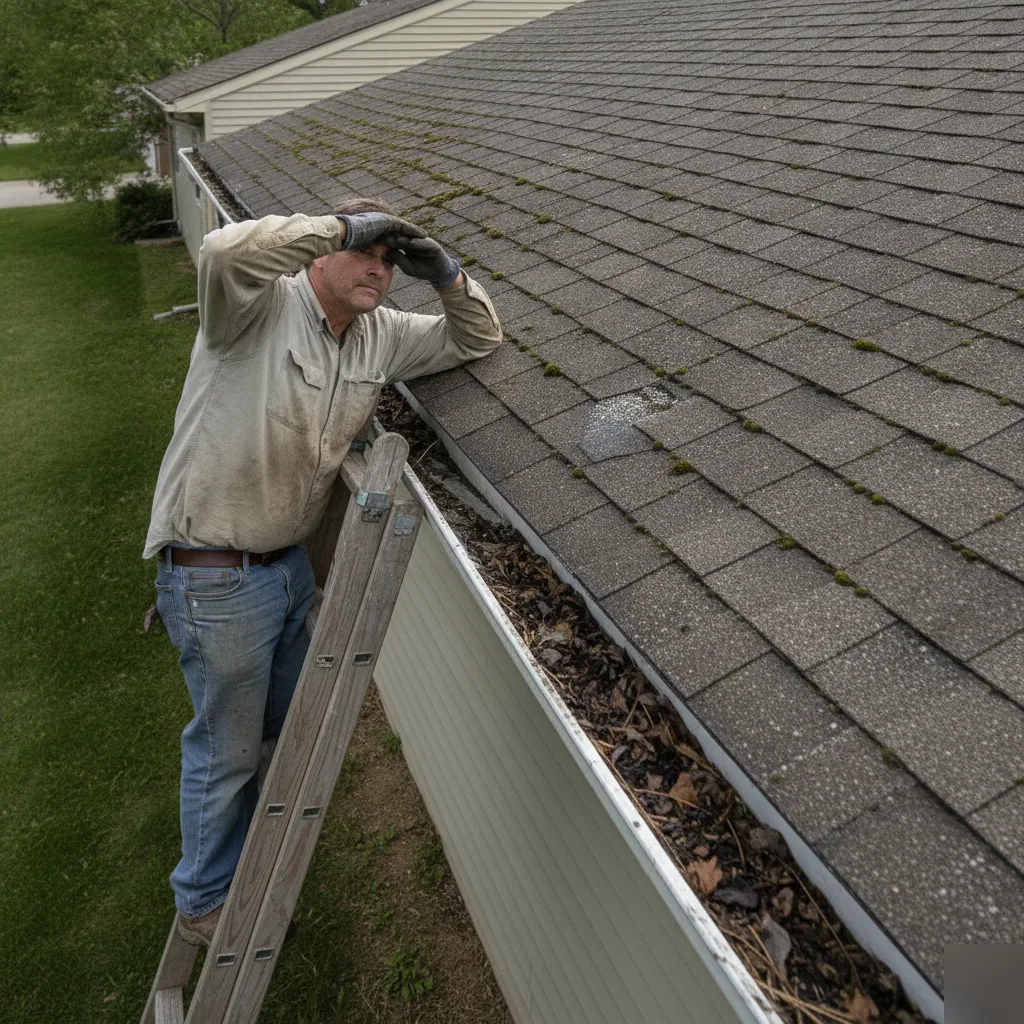
Why Roof Age Alone Doesn't Tell the Whole Story
A 20-year-old roof in Brownsburg might still have plenty of life left. Or it could be failing right now. The number on a calendar truly isn't what matters most.
The team sees this play out all the time with roof replacement Brownsburg IN calls. A homeowner phones in, convinced "20 years" means their roof is done. They're ready to open their wallet. But once someone gets up there to look, the actual story often changes. Some 20-year-old roofs near Arbuckle Acres hold up fine. This usually happens because they had solid ventilation from day one. Others, built around the same time, are already curling at the edges. Often, their attic never breathed properly.
Age is just one piece of the puzzle. Here's what drives whether your roof needs replacing:
- Ventilation quality. Poor attic airflow traps heat and moisture up there. This breaks down shingles years ahead of schedule.
- Installation quality. A roof installed with shortcuts fails quicker than one done right. This is true no matter the shingle rating.
- Storm exposure. Indiana's hail and high wind events cause real damage. This shortens a roof's usable life, sometimes by a full decade.
- Material grade. Not all shingles perform the same over time. Many Brownsburg homes built in the early 2000s got builder-grade materials, and that makes a difference.
That last point is a real kicker. Builder-grade shingles were common in subdivisions built during the housing boom. They were rated for 20 to 25 years under ideal conditions. But, "ideal conditions" doesn't describe central Indiana weather at all.
What 20 Years Really Means in Brownsburg
Brownsburg gets about 40 inches of rain per year. And those freeze-thaw cycles from November through March? They beat your roof up in ways homes in milder climates simply don't face. The National Roofing Contractors Association points out that environmental factors can reduce a roof's functional life by 20 to 30 percent compared to what the manufacturer estimates.
So, a "25-year shingle" here in Brownsburg might realistically do its job well for only 18 to 20 years. Maybe even less if that roof faces south and bakes in the summer sun all day long.
But here's where it gets interesting. The team has looked at roofs on homes near Williams Park that are 22, 23 years old. They're still doing their job perfectly. Good ridge ventilation. Proper flashing around the chimney. No missing granules. Those roofs earned extra years, thanks to good installation and a bit of luck with storm paths.
Most people don't realize this until it's too late, but the condition of the underlayment and decking underneath matters just as much as the shingles you can see. A roof can look decent from the ground. But the plywood beneath it could be soft from moisture damage. That hidden deterioration is what turns a simple roof replacement into a much bigger, more involved project for your home.
The honest answer? Don't replace your roof just because it hit 20 years. And don't ignore it just because it "looks fine" from your driveway either. Get a real inspection. Someone needs to walk the roof, check the attic, and give you a straight answer about what's happening up there.
If you're starting to wonder about your roof's condition, reach out to the team for a roof inspection. You'll know exactly where things stand before making any big decisions.
How Long a Roof Lasts in This Climate
Most roofing materials come with a projected lifespan. That number, though, assumes average conditions. Brownsburg does not give your roof average conditions.
Indiana sits in a climate zone where roofs take hits from every single direction. You get brutal summer heat, which bakes shingles from above. Then winter brings ice dams, prying them apart from below. And the spring storms in Hendricks County can drop hail the size of quarters with almost no warning. The team sees this pattern play out on roofs across Brownsburg every single year, over and over.
What the Numbers Say
A standard asphalt shingle roof is rated to last 20 to 25 years. That's what the manufacturer estimates under controlled conditions. According to the National Association of Home Builders, the real-world average for three-tab asphalt shingles is closer to 20 years. Architectural shingles can push that to 30 years if everything breaks right for your home.
But "if everything goes right" is doing a lot of heavy lifting in that sentence.
Here's what shortens roof life in Brownsburg:
- Freeze-thaw cycles that crack and curl shingles from November through March.
- High humidity in summer that traps moisture under shingle layers.
- Wind-driven rain from storms that roll through the White Lick Creek corridor.
- Poor attic ventilation in older homes near Arbuckle Acres and the downtown neighborhoods.
Any one of those factors can shave years off your roof's life. Stack them all together, and a 25-year roof might start failing at 18.
The Ventilation Factor Most People Miss
Here's something the team runs into constantly. A homeowner calls about a 20-year-old roof that just looks rough. They assume it's just age. But when the team gets into the attic, the real problem is ventilation. Hot air gets trapped up there all summer long, cooking shingles from the underside. And in winter, that same trapped warmth melts snow on the roof unevenly. That creates ice dams along the eaves, which is bad news.
A roof with good ventilation in Brownsburg can outlast one without it by five to seven years. That's a huge difference for your wallet and your peace of mind.
So, when you're asking whether your 20-year-old roof needs replacing, the answer goes beyond the calendar. It depends on how hard your specific roof has worked over those two decades. Most people don't think about it this way.
A Real Example Worth Knowing
The team inspected two homes on the same street last spring. Same builder. Same year built. They even had the same shingle type. One roof looked solid, with years of life left. The other had curling shingles, dark streaks, and granules filling the gutters after every rain.
The difference? One homeowner had added a ridge vent and kept trees trimmed back from the house. The other hadn't touched the roof since move-in day. Same age. Completely different condition. This tells you everything.
That's why a calendar date alone can't tell you what your roof needs. Your roof's actual condition matters far more than its birthday. If you're sitting at the 20-year mark and wondering what's next, a professional inspection gives you real answers instead of guesses. You can reach out to the team for a straight assessment of where your roof stands today.
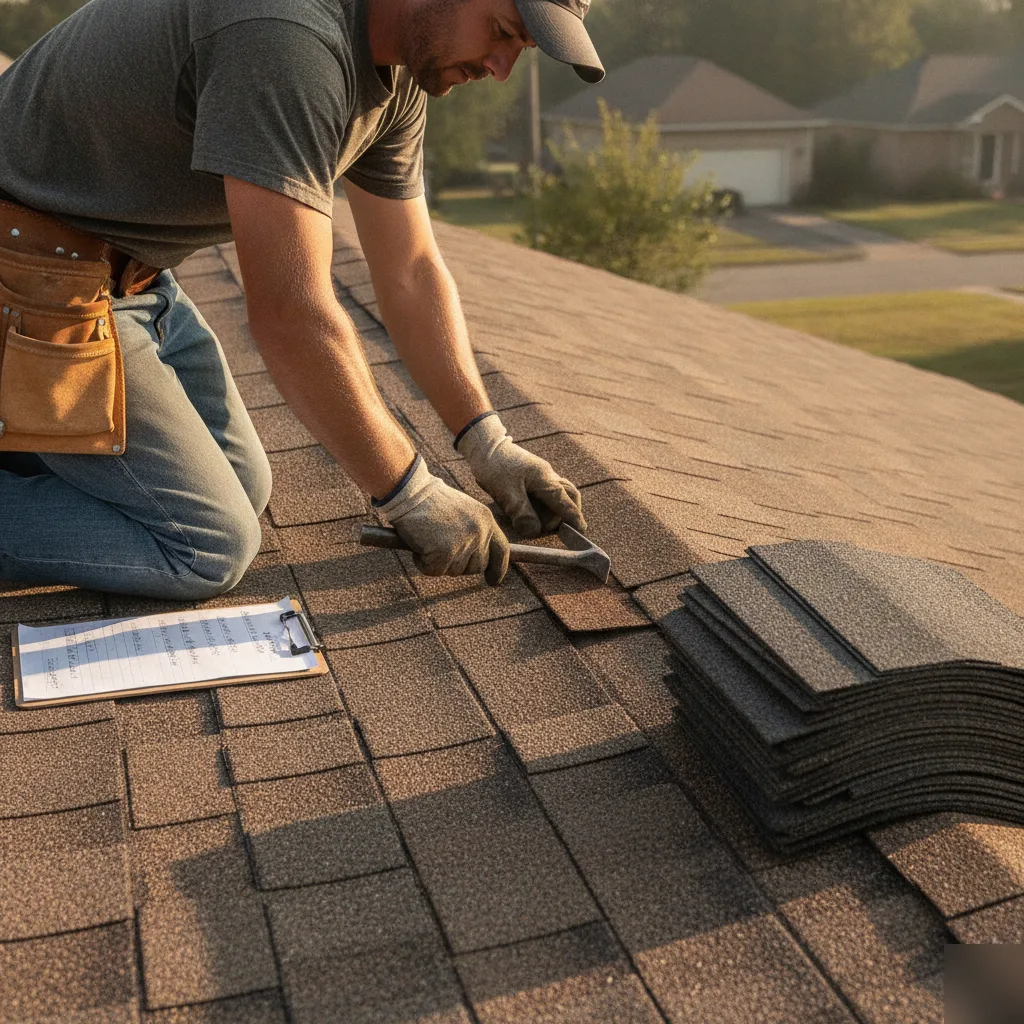
Three Roof Scenarios and What They Mean
Not every 20-year-old roof in Brownsburg tells the same story. The team sees roofs that age gracefully, and others that fall apart way too early. What really matters for your home is your specific situation. Here are three real scenarios that show up constantly on inspections around Hendricks County.
Scenario One: The Roof That Looks Fine From the Ground
This one catches people off guard every time. You drive up, glance at your roof, and everything seems normal. No missing shingles. No obvious sagging anywhere. But up close, the granules on your shingles have worn thin. The edges curl slightly. And the flashing around your chimney or vents has started to separate. This is a common issue.
The team runs into this all the time near Arbuckle Acres and the older neighborhoods off Green Street. Homeowners say "it looks great" from their porch, but then a closer look reveals soft spots in the decking or daylight peeking through into the attic. A roof can look okay from the curb. And it can still be one bad storm away from a serious leak. This scenario usually means you've got a year or two left. But a roof replacement should be on your family's calendar now.
Scenario Two: The Roof With Visible Damage
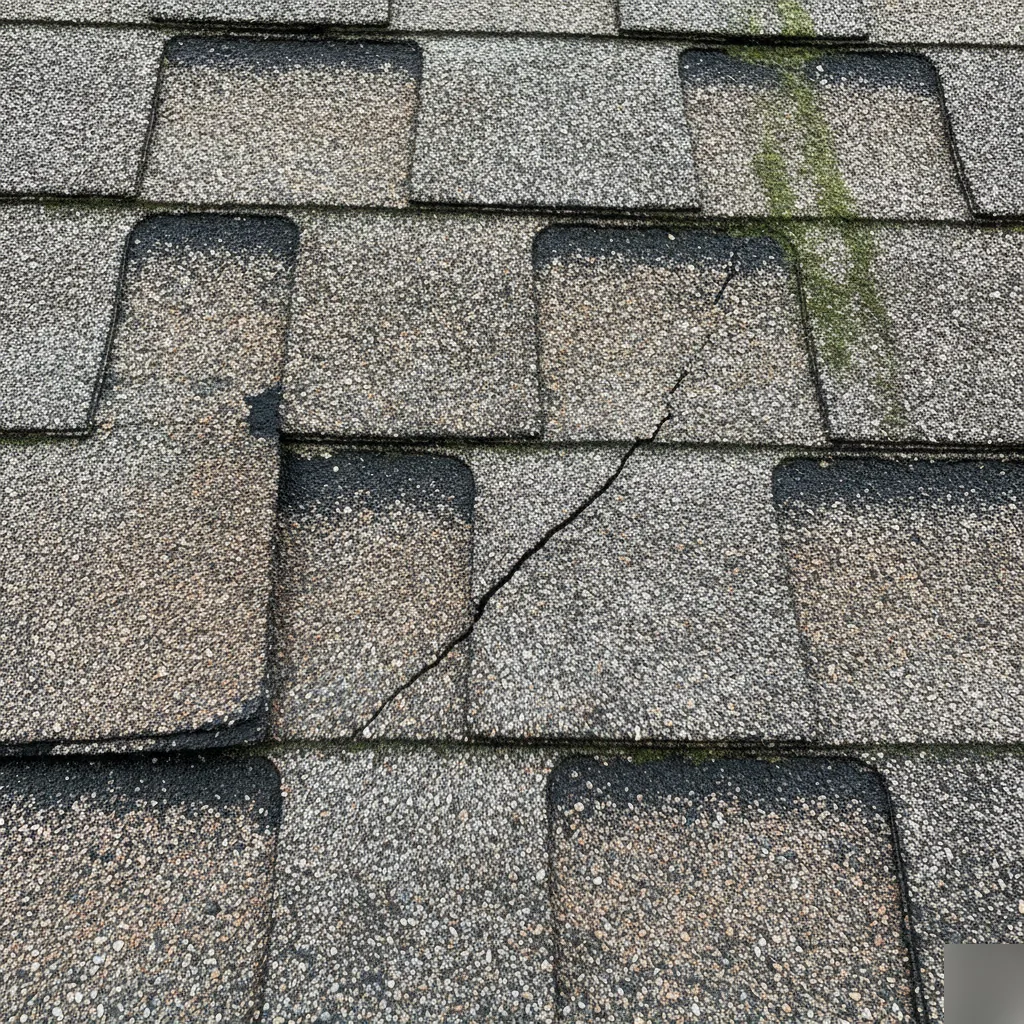
This is the one that gets your attention fast. You start seeing dark streaks running down the shingles. Maybe a few tabs have blown off after a spring storm in Brownsburg. Your gutters are full of granule debris every time you clean them out. And you clean them often, don't you?
According to the National Roofing Contractors Association, granule loss is one of the clearest signs that asphalt shingles have reached the end of their useful life. Once that protective layer wears away, UV rays break down the asphalt underneath quickly. In Indiana's climate, with those harsh freeze-thaw cycles from November through March, exposed shingles crack and split fast. It's a rough environment.
If your Brownsburg roof shows these signs at 20 years old, patching won't solve your underlying problem. You're simply past the point of spot repairs. A full roof replacement is the right move for your home. It saves you from chasing leaks room by room over the next couple of years. And that's a headache you don't need.
Scenario Three: The Roof That's Holding Up Well
Some roofs genuinely do hold up at the 20-year mark. Good ventilation in the attic made a big difference for them. The original installation was done right. And maybe that specific roof faces north, so it took less direct sun damage over the years. That makes a real difference in the Brownsburg summers.
The team sees this occasionally on homes built in the early 2000s around the Wynne Farms area. The shingles still lay flat. Flashing is tight. No water stains show in the attic. In this case, you might not need a roof replacement right now. But you definitely do need annual inspections, because things can change fast after year 20. The U.S. Department of Energy offers helpful guidance on timing a roof replacement that homeowners planning ahead may find useful.
Here's the honest truth most people don't realize until it's too late. Even a roof that looks solid at 20 years can fail suddenly after one hailstorm or ice dam. The materials are simply past their peak performance window. They just can't take the abuse like they used to. That's a practical, grounded truth to know.
So, which scenario fits your home in Brownsburg? Most homeowners fall somewhere between the first and second. If you're not sure, a professional inspection takes all the guesswork out of it for you. The team can walk your roof, check the attic from the inside, and give you a straight answer about how much life is left. No pressure, just honest information you can plan your next steps around. Reach out to get a roof inspection scheduled before the next storm season hits central Indiana. Visit tbrodnikgroup.com to get started.
Frequently Asked Questions
How do I know if my roof needs a professional inspection or if I can just check it myself?
You can check for obvious signs yourself, like missing shingles or sagging spots, but a professional inspection catches problems you can't see from the ground. Attic ventilation issues, soft decking, and cracked underlayment hide in places most homeowners never look. A trained eye near Arbuckle Acres or anywhere in Brownsburg can spot early failure before it turns into a bigger repair. If your roof is 20 years old, a full inspection gives you facts instead of guesses.
What's the biggest misconception people have about a 20-year-old roof?
Many homeowners think roof age alone means it's time to replace it. That's not always true. A roof's real condition depends on ventilation, installation quality, and storm exposure, not just the number of years on the calendar. The team has seen 22-year-old roofs near Williams Park still performing well because they were built and ventilated correctly. Don't assume your roof is done just because it hit 20 years old.
Does Brownsburg's weather really shorten a roof's lifespan that much?
Yes, Brownsburg's climate does shorten roof life compared to manufacturer estimates. Freeze-thaw cycles from November through March, heavy rain near the White Lick Creek corridor, and summer heat all wear down shingles faster than average conditions assume. A shingle rated for 25 years might only last 18 to 20 years here. That's why a professional roof inspection matters more than the age printed on a warranty label.
How can I tell if poor ventilation is affecting my roof?
Signs of poor ventilation include curling shingles, ice dams along the eaves in winter, and unusually hot attic spaces in summer. Trapped heat and moisture break down shingles from underneath, often years before they should fail. Homes near Arbuckle Acres and older downtown Brownsburg neighborhoods commonly show this problem. A ventilation check during a roof inspection can reveal whether your attic is helping or hurting your roof's lifespan.
Can two roofs built the same year age completely differently?
Yes, this happens more often than people expect. Two homes on the same street, built by the same builder in the same year, can have very different roof conditions. Installation quality, ventilation, and even which direction the roof faces all play a role. That's why comparing your roof's age to a neighbor's roof doesn't tell you much. A hands-on inspection is the only way to know your roof's true condition.
What should I do if I'm unsure whether my 20-year-old roof needs replacing?
The best move is to get a straight answer from someone who can walk the roof and check the attic in person. Guessing based on age alone can cost you either way, through unnecessary replacement or ignoring real damage. If you're wondering about your roof's condition, reach out to the team for a roof inspection to see exactly where things stand before making any decisions.