
Why the Order of Your Remodel Planning Matters More Than the Checklist
A checklist tells you what to do, but it won't tell you when to do it. Planning a home remodel in the wrong order causes overruns and design regrets. The right sequence starts with structure and , then moves to layout, and finishes with finishes last.
Most homeowners in Brownsburg start planning a remodel backward. They pick out cabinet colors and tile samples before they've even confirmed if a wall can come down. That's a mistake the team sees constantly, and it's usually an expensive one to fix once framing is already open.
Here's the thing about remodel checklists, they're useful for tracking tasks, but they don't tell you which decisions depend on other decisions. Pick your flooring before you know your layout, and you might order the wrong square footage. Choose paint before the electrician moves an outlet, and you'll be patching walls twice.
So what's the right order? Think of it in layers, structural first, then function, then style.
- Set your range and confirm what structural changes are even possible in your home.
- Check permit and code requirements early, especially for older Brownsburg homes near downtown with original electrical panels.
- Finalize the layout, including plumbing and electrical locations, before ordering any materials.
- Choose durable materials like flooring and countertops next, since these anchor your design palette.
- Pick paint colors, fixtures, and decorative finishes last, once everything structural is locked in.
A lot of the older ranch and split-level homes around Brownsburg were built in the 60s and 70s. And that means outdated wiring or plumbing runs that don't show up until walls open. If you've already bought finishes before that discovery, you're stuck reordering or eating the cost difference.
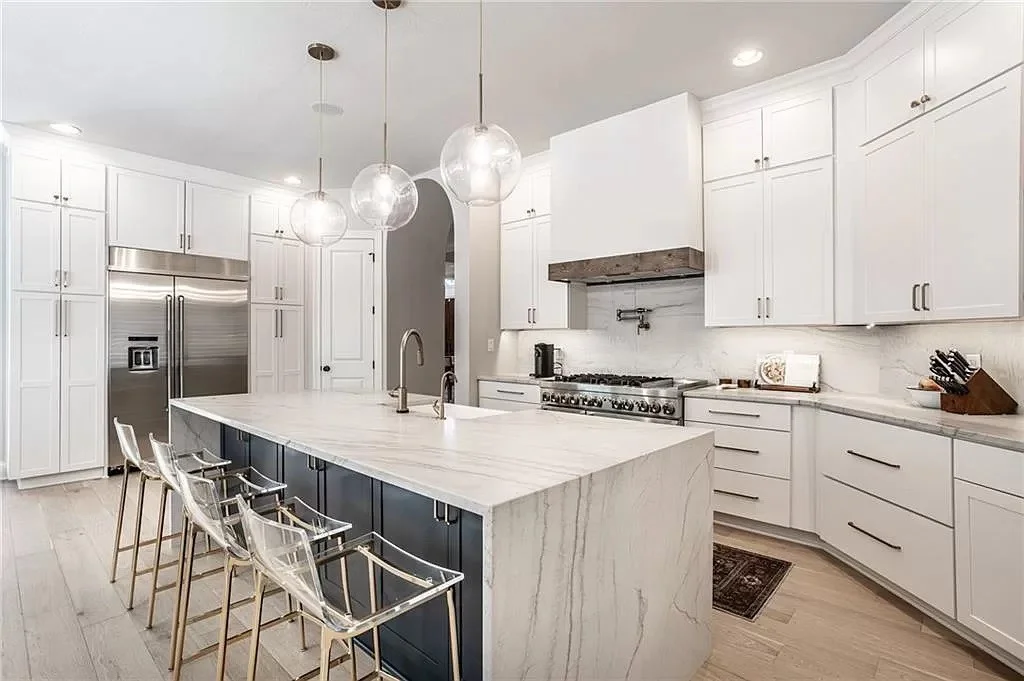
One family Terry's crew worked with had already purchased quartz countertops before the kitchen layout was finalized, the new island location meant the slab dimensions no longer worked.
Ever wonder why some remodels finish on schedule and others drag on for months? It almost always comes down to decision order, not decision quality. Getting the sequence right on the front end protects your home remodel and your timeline.
How to Sequence a Remodel From First Decision to Construction Start
Most remodels fall apart before the first hammer swings, not during construction. The order you make decisions in decides whether your project stays on track. Homeowners in Brownsburg often want to jump straight to picking cabinets or paint colors. That's backwards, and it's the single most common mistake we see in early planning calls.
So what's the right order? Here's the sequence that keeps a remodel moving without backtracking.
- Write down your goal for the space in one sentence. A bigger kitchen for entertaining is a different project than a kitchen built for daily family use.
- Set a realistic range before you talk design. This step alone prevents most of the frustration homeowners feel later.
- Bring in a contractor or designer early, not after you've already fallen in love with finishes online.
- Lock in the layout and any structural or mechanical changes first. Moving a wall or relocating plumbing has to happen before anything else.
- Choose finishes only after the layout is final. Picking tile before the room is settled almost always leads to wasted money.
- Pull the required permits before any demolition starts. Hendricks County has specific rules for electrical and plumbing work, and skipping this step can stall your whole project.
- Order long-lead items, cabinets, windows, custom trim, weeks ahead of your construction start date.
Here's a real scenario. A homeowner near Arbor Trace once called us after ordering custom cabinets before the layout was finalized. The island had to shrink by eight inches, the cabinets no longer fit, and the whole order had to be remade. That delay cost six weeks. It's a mistake we've seen more than once, and it's completely avoidable.
Structural decisions always come before style decisions, that's the rule to remember. Skip that order, and you'll pay for it in time or money, sometimes both.
This kind of planning is exactly what the team walks through on every project, and it's covered in more detail on the
For a full breakdown of how the team handles design, permitting, and construction timing on Brownsburg homes, visit the home remodeling services page.
The Biggest Home Renovation Mistakes That Start With Bad Timing
Most remodel headaches don't come from bad design choices. They come from bad timing. A homeowner picks a start date because it's convenient, not because it's smart, and the whole project pays for it later.
We've seen it happen more times than we can count. A family in Brownsburg wants their kitchen done before Thanksgiving. Sounds reasonable, right? But they don't call anyone until late September, and by then cabinet lead times alone eat up six weeks. The countertops haven't even been templated yet.
So the holiday comes and goes with a plywood countertop and a microwave sitting on a card table. That's not a materials problem. That's a timing problem.
- Ordering custom cabinets, windows, or countertops after demo has already started, instead of before
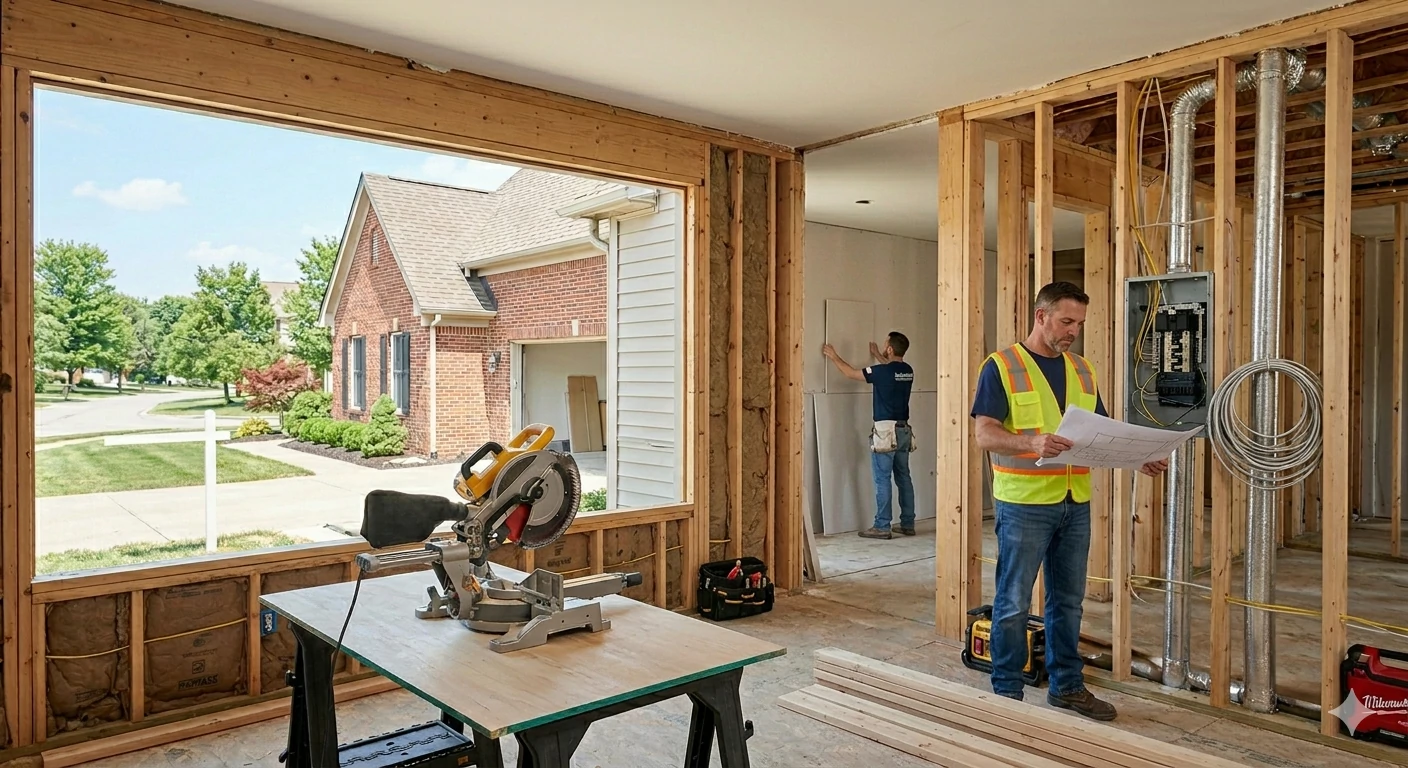
- Scheduling exterior work like siding or roofing during Indiana's wet spring months without a weather buffer
- Assuming a permit will clear in a week when Hendricks County review can take two to four
- Booking multiple trades back to back with zero slack time between them
- Starting a bathroom remodel right before hosting family, then having no working shower for the visit
Here's a grounded truth most homeowners don't hear until it's too late: permit timing and material lead times almost never line up on their own. You have to plan backward from your target finish date, not forward from your start date. And if a contractor tells you every trade can start next week no matter the scope, that's usually a sign they haven't looked closely at the schedule yet.
Weather matters too. Indiana springs bring heavy rain, which can push back foundation work, additions, or anything touching the exterior. Winter isn't off limits, but it changes how drywall dries and how long paint needs to cure indoors.
One thing we always tell clients: build in a two to three week cushion, no matter how tight your timeline feels. It's not pessimism, it's just what twenty years of Brownsburg jobs has taught the team.