
Brownsburg, IN
What Are the Most Common Door Installation Problems in Brownsburg Homes?
Why Door Problems Are Really Installation Problems
When something goes wrong with a door in Brownsburg, most homeowners point to the door itself. A door that sticks. A draft that creeps in. A lock that won't line up right. But the door isn't usually the problem. It's the installation that caused it.
That's the truth many people miss. Small issues become big ones, months after the work is done.
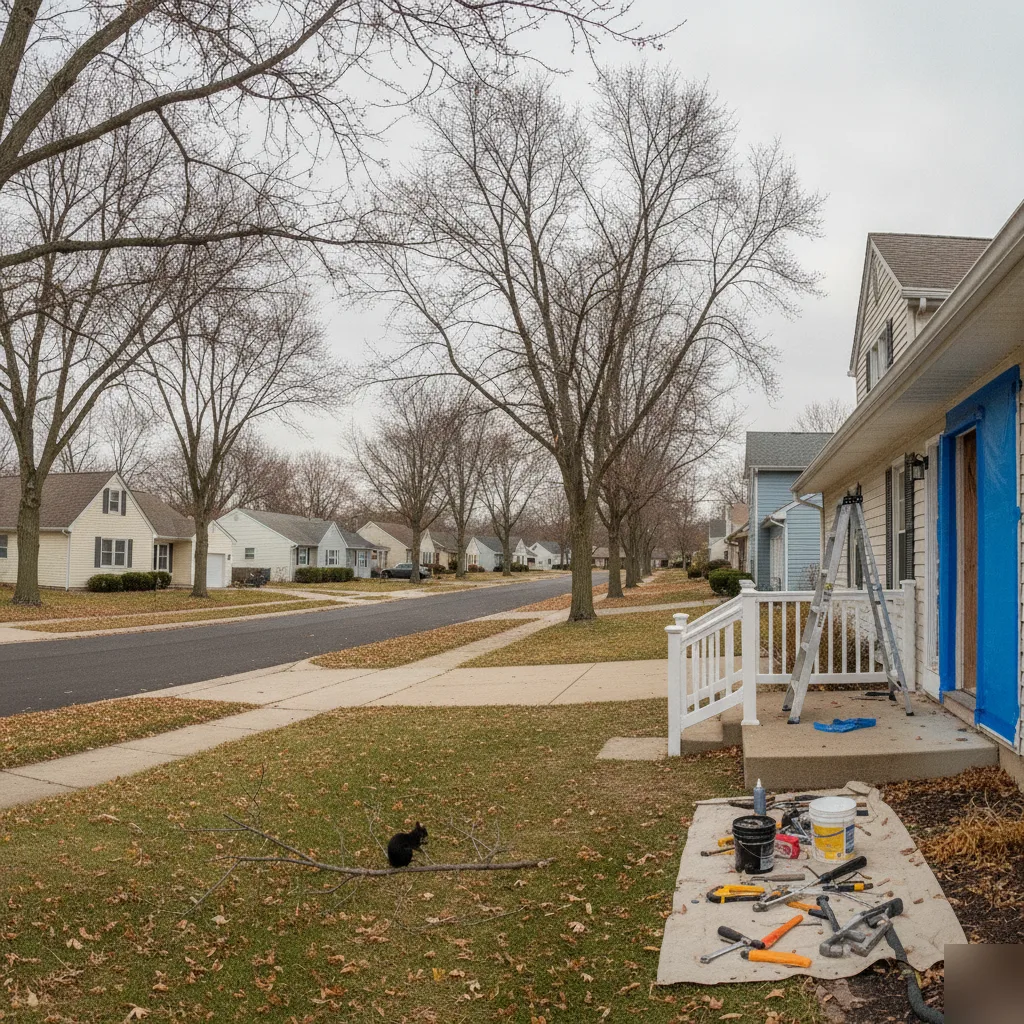
A door performs only as well as its frame. You can choose a top-shelf fiberglass entry door. If the rough opening isn't prepped right, or shims sit wrong, problems will hit within the first year. The team sees this pattern daily in Brownsburg homes built between the 1990s and early 2000s. Builders pushed hard then, moving fast in new subdivisions, think Cardinal Estates and the Green Street corridor. That speed often meant shortcuts, leading to poor door installation practices that homeowners are still dealing with decades later.
The Real Cause Behind Most Complaints
Here's the usual story. A door hangs a bit off plumb. Just a quarter inch, maybe. You barely notice it on install day. But Indiana's climate has big humidity shifts, and foundations can settle over time. That quarter inch slowly turns into a half inch. Then your weatherstripping stops sealing. The deadbolt catches. Cold air pours through the threshold gap every January, (that's when people really feel it, naturally).
And your first thought? A new door. But that's not it. You need the original door installation fixed right.
The U.S. Department of Energy states air leaks around doors and windows use up 25 to 30 percent of a home's heating and cooling energy. A poor door installation isn't just annoying. It costs real money on every utility bill.
- Daylight visible around door frame edges.
- A door that opens or closes by itself.
- Trouble turning the deadbolt or latch.
- Water stains on the floor by the threshold.
- Drafts you feel even when the door is closed tight.
Every symptom above points to how the door was set, shimmed, sealed, or flashed. It's not about the door. It's the installation.
Why This Matters for Your Home
A door installed correctly should last 20 to 30 years, offering trouble-free service. But one installed poorly can start failing in under five. The frame warps. Seals break down. Moisture seeps behind the trim and into the framing. That's when small problems become costly headaches.
The team has pulled exterior casings off many Brownsburg homes, only to find rotted framing underneath. This happens when the original door installation skipped proper flashing tape or used the wrong caulk. These aren't rare cases. Far from it. They're routine.
If your door gives you trouble, don't just assume replacement. Start by asking if the door installation was done right from the start. That single question can save you hundreds of dollars and a lot of frustration. If you're not sure what to look for, reach out to the team for a closer look at what's happening with your door.
Common Door Installation Mistakes That Cause Sticking and Gaps
A door that sticks in summer, or lets cold air pour through in January, didn't just happen on its own. Something went wrong during the original door installation. The team sees this constantly in Brownsburg homes, especially in neighborhoods near Arbuckle Acres and along the older corridors off Green Street. Most of these problems trace back to a handful of mistakes that are easy to make and, a real pain to live with.
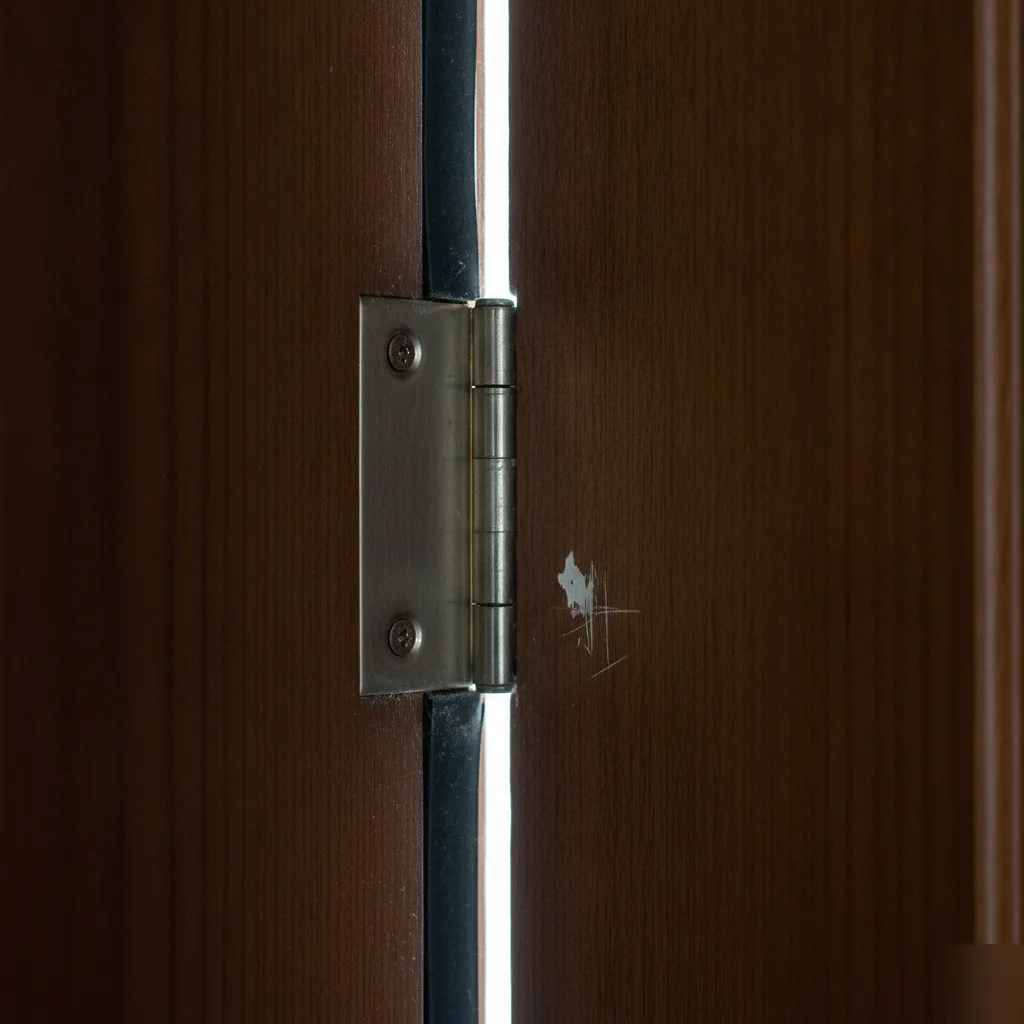
The single biggest cause of sticking doors: a frame not set plumb and level. That sounds simple. It is. But installers skip or rush this more than you'd believe. If the frame leans even a quarter inch, the door will bind against the jamb within months, especially with how Indiana's clay-heavy soil shifts under foundations. A frame that's 'close enough' on day one can become a real headache after one freeze-thaw cycle. (We see this every spring).
Shimming Done Wrong
Shims are little wedges that hold the frame straight inside the rough opening. If they're spaced too far apart or packed too tight, the jamb bows. A bowed jamb creates uneven gaps on one side and contact points on the other. This makes the door drag at the top, light peeks through at the bottom. The team has pulled apart door frames in Brownsburg homes where shims were placed in only two spots instead of the standard five or six. That's not a shortcut; it's a setup for failure, plain and simple.
Wrong-Size Rough Openings
Here's what many homeowners learn the hard way: The rough opening in your wall needs to be about a half inch wider and taller than the door frame. If it's too tight, the frame gets forced in, creating pressure that warps the wood over time. Too loose, and there's nothing solid for the shims to press against. Either way, you end up with a door that simply won't close right.
Homes from the 1980s and 1990s around Brownsburg sometimes have openings. They were framed for older door sizes. Not what's standard today. A proper door installation checks this. Before the new unit leaves its box.
Weatherstripping and Threshold Errors
Gaps along the bottom and sides of exterior doors usually point to these problems:
- Threshold set too low; daylight under the door.
- Weatherstripping compressed or installed with wrinkles, stopping a clean seal.
- Door slab trimmed unevenly to 'fix' a gap, instead of fixing the frame.
That last point is a major red flag. Trimming a door to hide a crooked frame? That's like taping a leaky pipe. It hides the symptom. The real problem remains.
Here's a small detail that matters a lot. Insulating the gap between the frame and the rough opening is key. Just as important as the weatherstripping. Spray foam that expands too much can bow the jamb inward. Low-expansion foam exists for this exact reason. Not every installer uses it, though. (Sometimes, people just grab what's.)
If your doors stick when it's humid or you can feel drafts even when they're latched shut, the installation itself is usually the culprit. These aren't problems you should learn to live with. A correctly installed door operates smoothly year-round and seals tight against Brownsburg's hot summers and cold winters. If you're dealing with any of these signs, it's worth having the team take a closer look at what's going on behind the trim. (It often prevents bigger problems later.)
Quick Fix, Adjustment, or Call a Pro: What Your Door's Symptoms Mean
Not every door problem means a full replacement. Some issues take minutes to fix. Others need a skilled eye. The trick is knowing which is which. Before you make it worse, that is.
Here's how to sort what you're seeing.
DIY-Friendly Fixes
A squeaky hinge usually just needs lubrication. White lithium grease works better than WD-40 for this, because it lasts longer. A door that won't latch because the strike plate is slightly off can sometimes be fixed by carefully enlarging the strike plate hole with a file. Loose hinge screws are another easy one: pull the screws out, fill the holes with wooden toothpicks and wood glue, let it dry, then re-drive the screws. The team sees this fix hold up for years in Brownsburg homes.
Weatherstripping that's peeling or compressed? That's a quick swap. Any hardware store has it. Takes about 20 minutes.
Adjustments That Need Some Skill
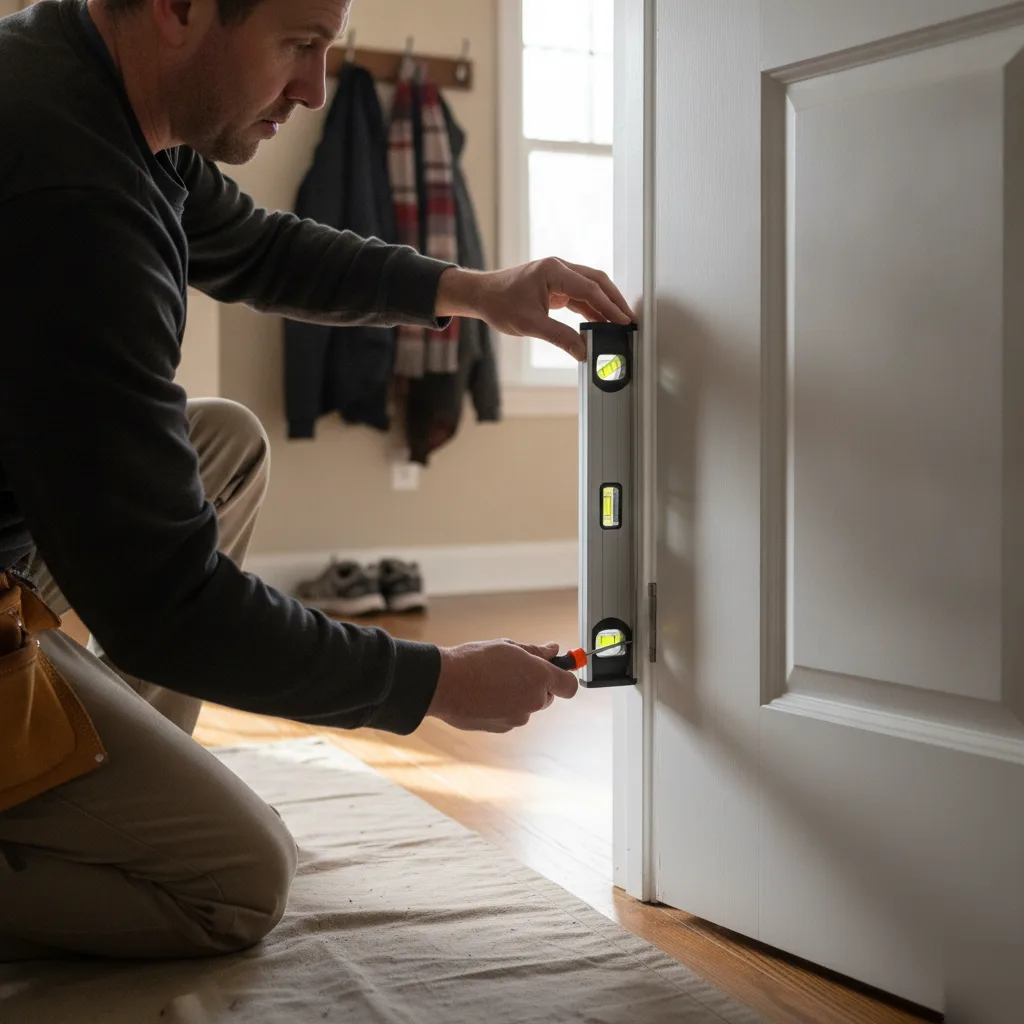
If your door drags on the floor or rubs the frame at the top corner, that's a hinge alignment issue, pure and simple. You might need to shim behind a hinge or replace a short screw with a 3-inch screw that bites into the wall framing. This pulls the door back into position. It sounds simple, but going too far will create a gap on the opposite side, which is its own headache.
Doors that swing open or closed by themselves? That's usually a plumb problem. The frame isn't vertical. Bending a hinge pin might hide it. But it won't fix it. If the frame was installed out of plumb, you're looking at a bigger job.
Time to Call a Professional
Some symptoms point to problems that go deeper than the door itself. These are the situations where a DIY attempt can cost you more in the long run, and, we see it happen all the time:
- Visible daylight around a closed exterior door, especially at the bottom corners.
- A door frame that feels soft or spongy when you press on it.
- Cracks running through the drywall above the door frame.
- A door that worked fine for years and suddenly won't close.
- Water stains or discoloration on the floor near an exterior door.
That last one is critical. Water damage around a door installation in Brownsburg often traces back to improper flashing during the original install. Indiana's freeze-thaw cycles push moisture into every gap, and once it gets behind the frame, rot spreads fast. The team has pulled trim off doors that looked perfectly fine from the outside only to find the rough framing soaked through. (You'd be surprised how often this happens here.)
Drywall cracks above a door can signal settling. But they can also mean the header wasn't sized right. Or the framing shifted. That's structural. Not a weekend project. And it matters.
Here's an honest truth. Many homeowners don't grasp it until the repair bill is in hand. A door that suddenly sticks after years of working fine? It's rarely about the door. The house is telling you something moved. Foundation settling. Framing shrinkage. Moisture swelling the subfloor. The door is simply the messenger. (Pay attention to the messenger, I always say.)
Frequently Asked Questions
How do I know if my door problem needs a professional or if I can fix it myself?
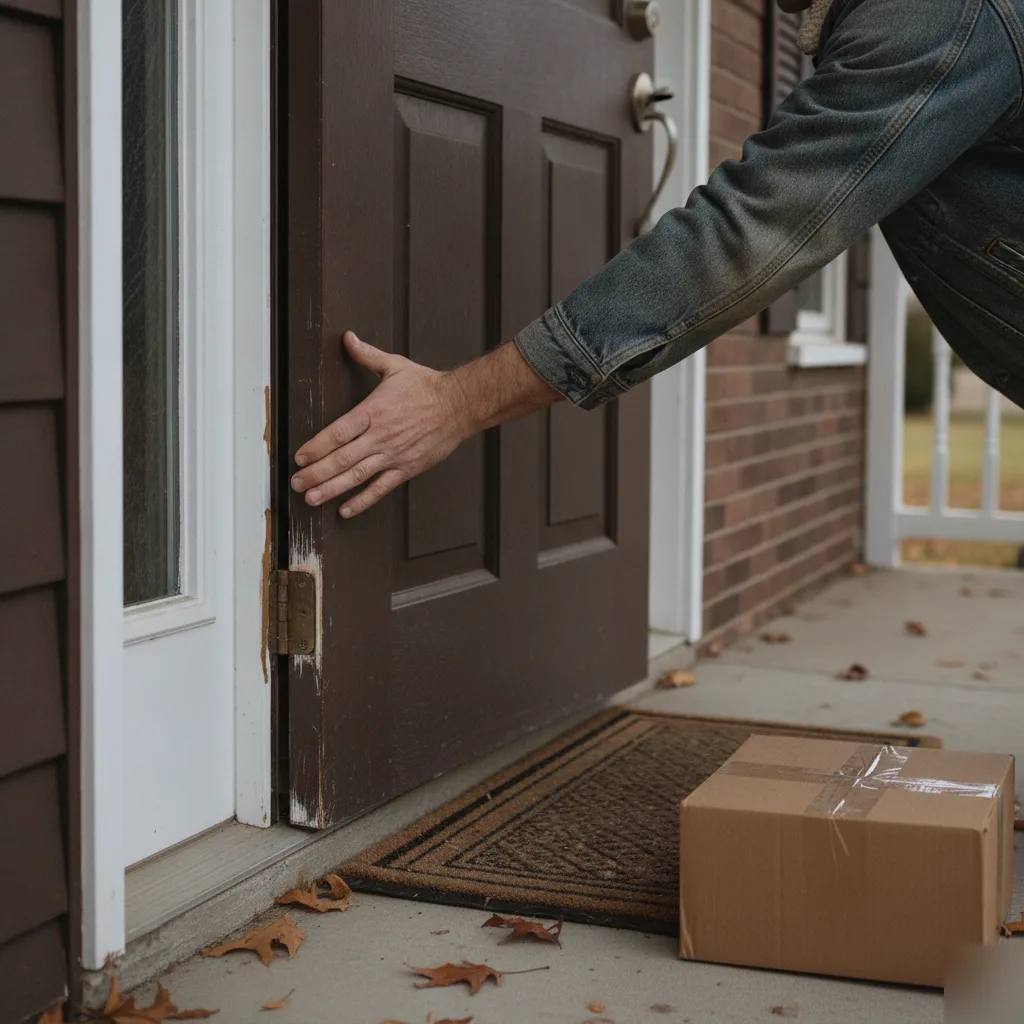
You can handle small fixes yourself, like tightening loose hinge screws or cleaning weatherstripping. But if your door sticks, won't latch, or lets in daylight around the frame, call a professional. These signs point to a frame that isn't plumb or shims that were set wrong. Fixing that takes tools and experience most homeowners don't have. Trying to force a fix, like trimming the door, often makes things worse.
What's the biggest misconception homeowners have about sticking or drafty doors?
The biggest misconception is thinking the door itself is broken. In most cases, the door is fine. The frame around it wasn't set correctly during installation. A door only performs as well as the opening it sits in. If shims, flashing, or the rough opening weren't done right, even a top-quality door will stick, gap, or leak air within a year or two.
Why do so many Brownsburg homes have door installation problems?
Many Brownsburg homes built in the 1990s and early 2000s went up fast during rapid subdivision growth, including areas like Cardinal Estates and along the Green Street corridor. That speed often led to shortcuts, like uneven shimming or rough openings sized for older door standards. Add Indiana's clay-heavy soil and freeze-thaw cycles, and small installation flaws turn into sticking doors and drafts over time.
Can a poorly installed door really affect my energy bills?
Yes, a poorly installed door can raise your energy bills every month. The U.S. Department of Energy reports that air leaks around doors and windows account for 25 to 30 percent of a home's heating and cooling energy use. Gaps from bad flashing or weatherstripping let conditioned air escape. That means your furnace and air conditioner work harder, even if the door looks fine from the outside.
What should I check before assuming I need a brand new door?
Check for daylight around the frame, uneven gaps, or a deadbolt that won't line up first. These are installation issues, not signs your door is worn out. Many Brownsburg homeowners replace doors that could have been fixed by resetting the frame or adding proper flashing. If you're seeing these warning signs, learning more about proper door installation can help you decide what your home actually needs.
How long should a correctly installed door last in Indiana's climate?
A correctly installed door should last 20 to 30 years with normal use. Indiana's humidity swings and freeze-thaw cycles put extra stress on frames, so proper shimming, sealing, and flashing matter even more here. A door installed poorly can start failing in under five years, with warped frames and moisture damage hiding behind the trim. Catching these issues early saves you from bigger repairs later.