
Brownsburg, IN
What Does a Kitchen Remodel in Brownsburg Include?
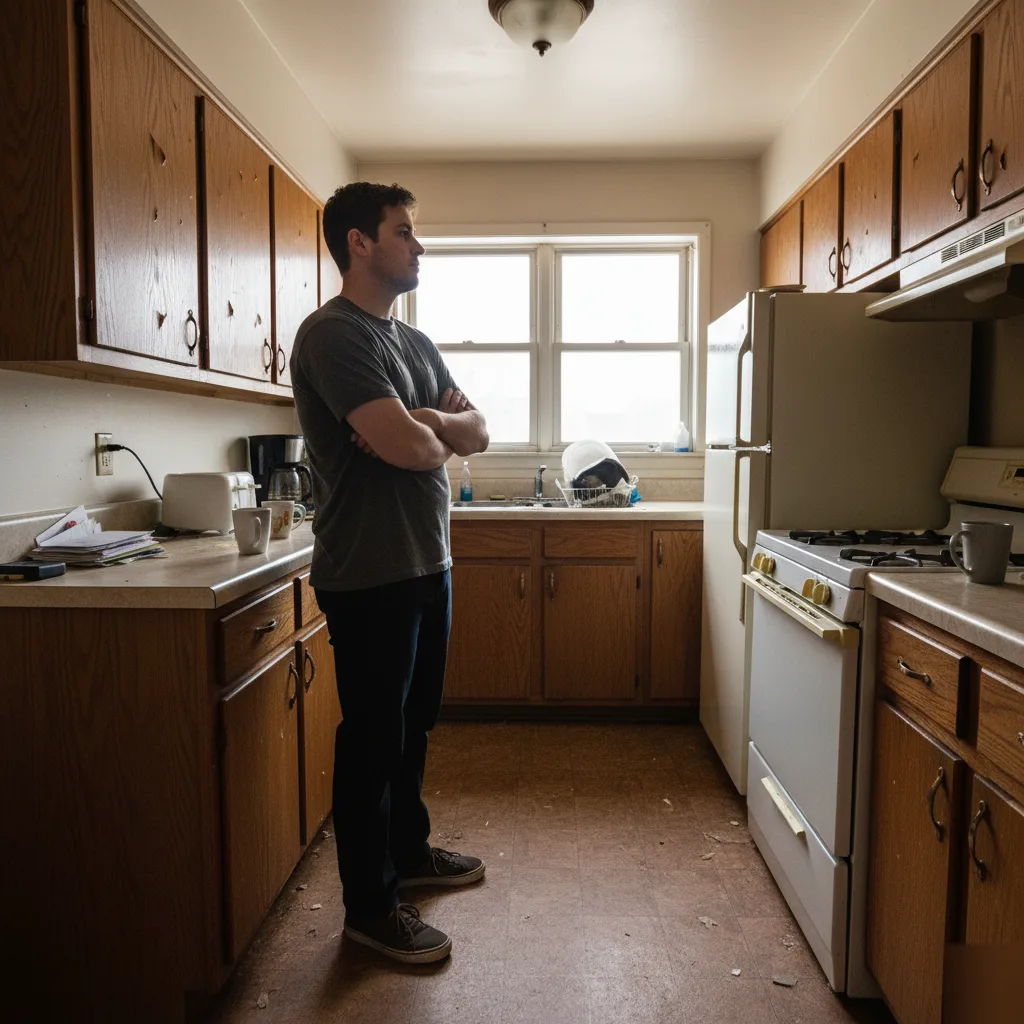
A Kitchen Remodel Covers More Than Just Cabinets and Countertops
A lot of folks in Brownsburg start dreaming of a kitchen remodel because something just feels off — maybe dull counters, or cabinets that really show their age. But what exactly goes into a kitchen remodel around here? It's usually a lot more than just those two things, and knowing the full picture early on keeps you from getting hit with unexpected surprises later.
A kitchen remodel really gets into every part of the space — flooring, lighting, plumbing, electrical, the backsplash, where appliances sit, even how the whole room lays out. The team sees it constantly: someone calls for new counters, but then the sink needs a new spot. Plumbing has to move. Suddenly, the entire floor plan needs a tweak. That's not just extra work. That's how kitchens actually operate.
The Core Components
Here's what a typical kitchen remodel covers from start to finish:
- Layout and design planning. This is always the first step. The team works out exactly how your kitchen will flow before anyone even thinks about demo.
- Demolition of existing materials. Old cabinets, flooring, backsplash, and sometimes walls come down. They all have to go.
- Rough-in work for plumbing and electrical. Shifting a sink or bringing in an island means running new pipes and wires. Brownsburg requires specific permits, handled through Hendricks County.
- Cabinet installation. New cabinets set the whole vibe for the room and dictate where everything else lands.
- Countertop fabrication and install. Templating for counters happens after cabinets are set — not before.
- Flooring, backsplash, and paint. These are the final layers that pull the room together.
- Fixture and appliance hookup. Faucets, lighting, range hoods, and appliances all get connected last.
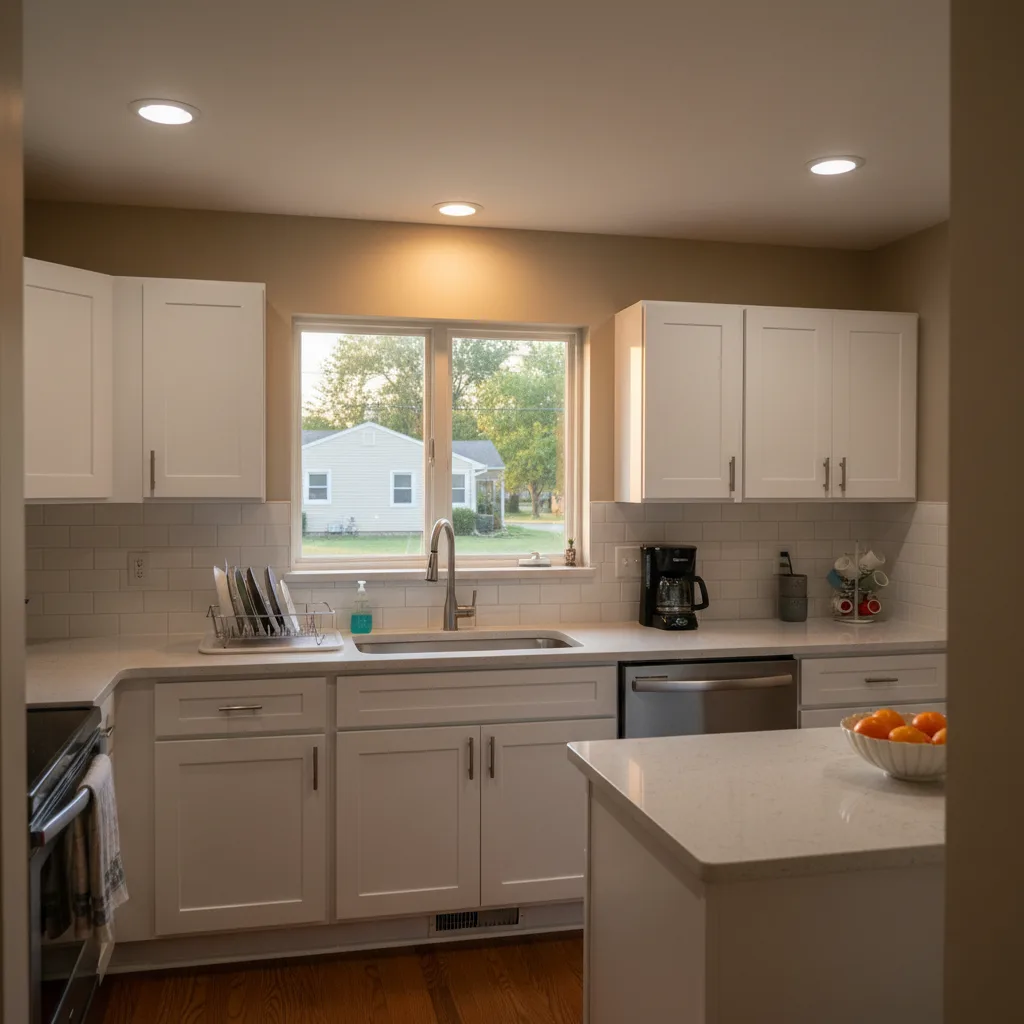
What Brownsburg Homes Actually Need
Plenty of homes here in Brownsburg went up between the late 1990s and mid-2010s. The kitchens in those spots often have basic oak cabinets, laminate counters, and standard vinyl flooring. They're functional, but they also look tired — and the layouts often waste space, especially around the pantry and the island.
So remodeling these kitchens typically means upgrading the materials and rethinking the layout all at once. The team often finds that older places near Arbuckle Acres or along the Green Street corridor have electrical panels that are just too old. They can't keep up with a modern kitchen's power needs. That's a big deal you want to catch early on.
And here's a detail most folks completely overlook: ventilation. Indiana code calls for proper exhaust for range hoods. Yet many older Brownsburg kitchens just vent into the attic instead of sending air outside. The team flags this problem on nearly every project because it wrecks air quality and can cause real moisture damage over time.
A kitchen remodel isn't one big thing — it's dozens of small jobs that all have to happen in the correct order, with the right materials, by people who truly know what they're doing. If you're starting to picture what your kitchen could be, visit the main kitchen remodel services page. It walks through the process from first call to final walkthrough.
The Core Components Included in a Full Kitchen Remodel
Most homeowners in Brownsburg picture new cabinets and countertops when they think about remodeling their kitchen. That's part of it, absolutely. But a full remodel touches almost every surface and system in the room, and knowing what's involved helps you plan a lot smarter from the very beginning.
Here's what a full kitchen remodel in Brownsburg typically includes when the team takes it on from start to finish:
Seven Stages — Each One Depends on the One Before It
- Layout and design planning. Before anything gets torn out, the floor plan gets a hard look. Many Brownsburg homes, built in the 1990s and early 2000s, feature galley or L-shaped kitchens that just don't fit how today's families actually live and gather.
- Cabinet removal and installation. Cabinet layout determines your storage, how your countertops sit, and whether your appliances fit correctly. A tiny fraction of an inch off on a cabinet run can throw the whole project into a mess.
- Countertop fabrication and install. Countertops are templated after cabinets are set — not before. Measuring too early leads to ugly gaps and bad seams.
- Plumbing rough-in and finish work. If your sink moves even six inches, plumbing has to move with it. Hendricks County always requires permits for plumbing changes, so this step just can't be skipped or shortcut.
- Electrical updates. Most older kitchens in Brownsburg simply don't have enough circuits for modern appliances. The team regularly adds dedicated circuits for ranges, microwaves, and refrigerators, plus GFCI-protected outlets above countertops.
- Flooring. New flooring goes in after cabinets in almost every case. Luxury vinyl plank is popular because it handles Indiana's big humidity swings well, but tile and hardwood are solid, long-lasting choices too.
- Backsplash, paint, and trim. These finishing touches pull the room together and go last for a very good reason — done too early, they get damaged during the heavier phases.
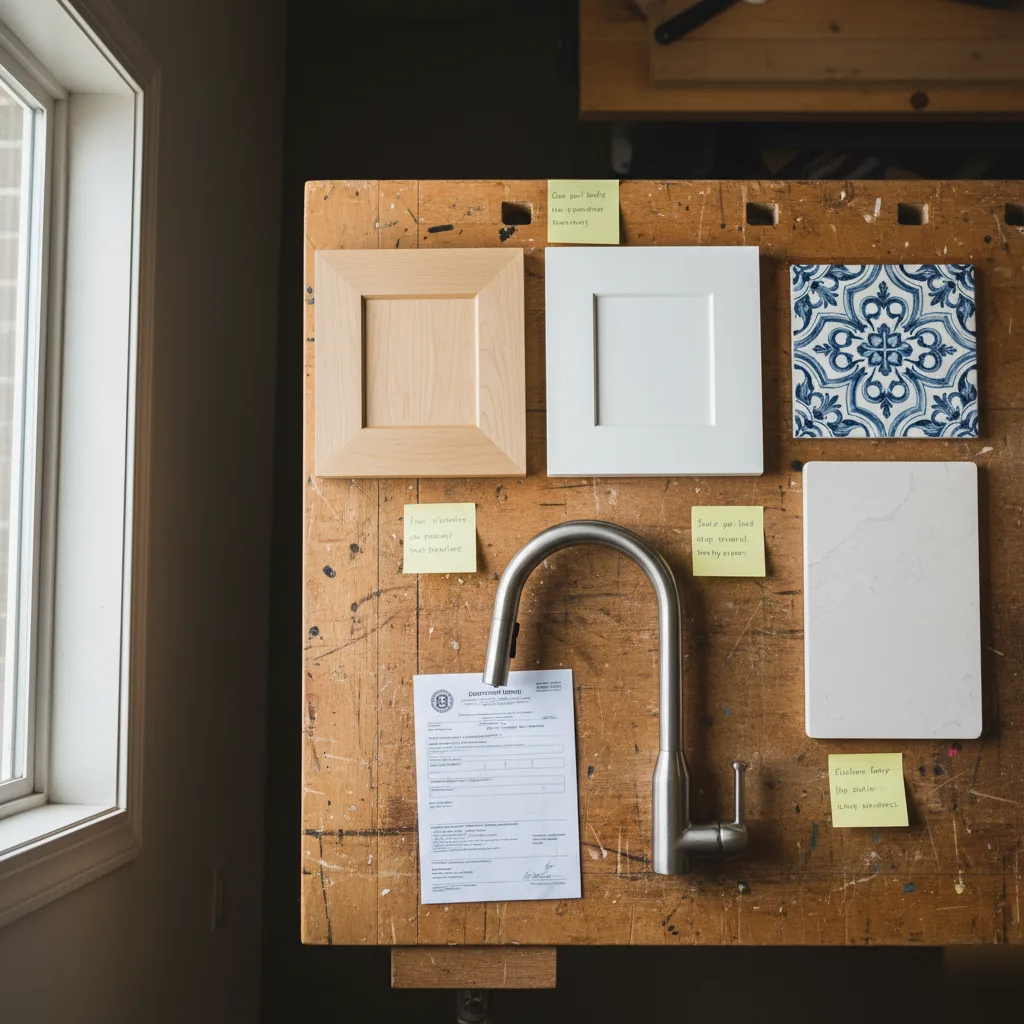
What About Appliances?
Appliances aren't always directly part of the remodel scope, but they impact every single decision made. Cabinet openings have to match appliance dimensions exactly. If you're switching from a freestanding range to a slide-in model, the cutout changes. If you want a counter-depth fridge, the cabinet return has to be planned for it. It's all connected.
The team always recommends picking out your appliances before any design work truly starts. You don't have to buy them yet — just know the models and their exact measurements. This one step prevents more change orders than anything else.
A full kitchen remodel also typically includes drywall repair, new lighting fixtures, and sometimes even soffit removal. Brownsburg homes with soffits above the cabinets often gain a ton of visual space when those come down and cabinets run all the way to the ceiling. It can make a huge difference.
Plumbing and Electrical Work Are Often Part of the Scope
Most homeowners in Brownsburg start thinking about new cabinets and countertops — those are the things you see and touch every day. But behind those walls, a kitchen remodel almost always involves plumbing and electrical updates. These things matter just as much, maybe more.
The moment you move a sink, add a dishwasher, or relocate an island, plumbing has to change. Drain lines need rerouting. Supply lines need extending. And if your home was built in the 1980s or 1990s, there's a really good chance some of that original plumbing is ready for replacement anyway.
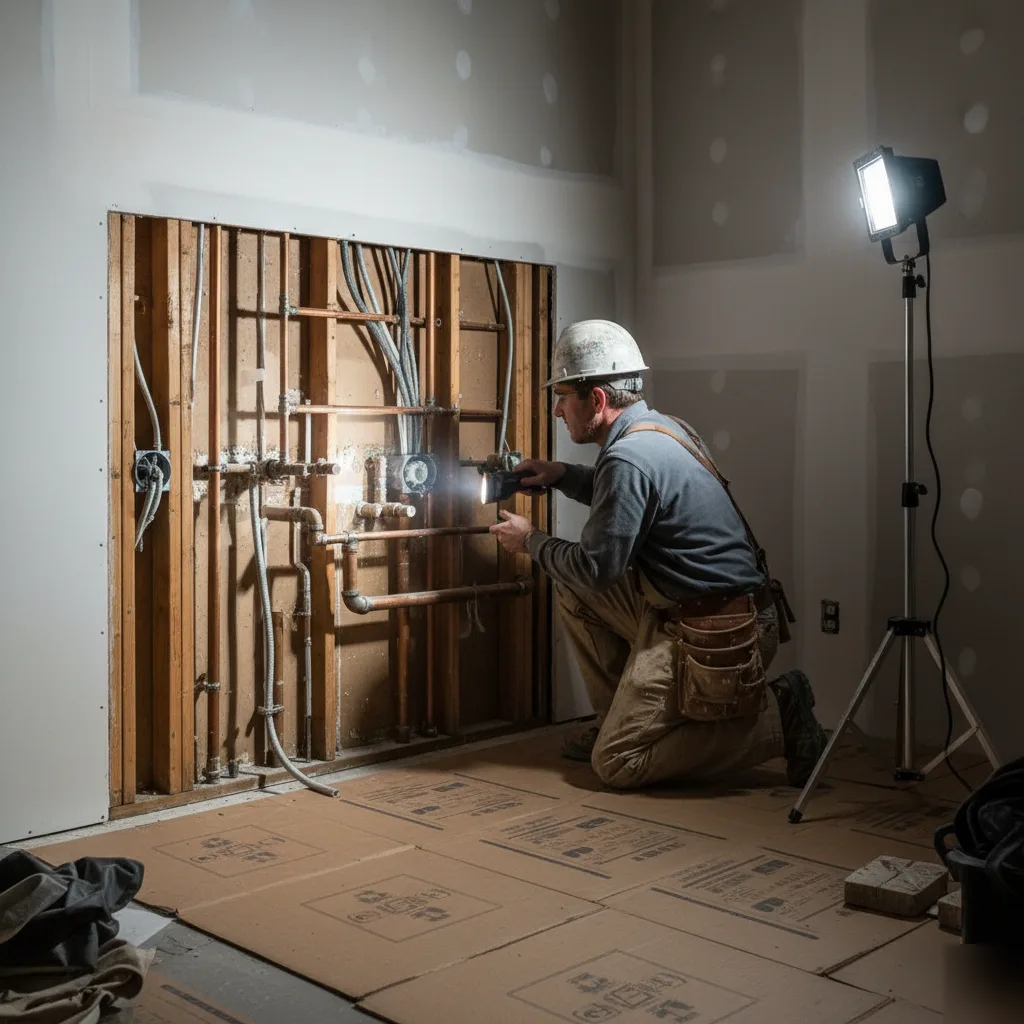
What Plumbing Work Usually Looks Like
A kitchen remodel doesn't always mean a full re-pipe. But it usually includes at least a few of these tasks:
- Moving or replacing supply lines for the sink and dishwasher
- Rerouting drain lines when the sink location changes
- Adding a water line for a refrigerator with an ice maker
- Installing a new garbage disposal or upgrading to a larger unit
- Replacing old shut-off valves that have corroded over time
The team runs into corroded shut-off valves constantly in Brownsburg homes built before 2000. Those valves look fine until someone tries to turn them — then they snap or start leaking. It's one of those things only a hands-on remodeler would flag before it becomes a real headache on install day.
Electrical Updates You Should Expect
Kitchens built 20 or 30 years ago weren't wired for today's power-hungry appliances. Most older Brownsburg homes have only two or three outlets in the whole kitchen. Modern code requires outlets every four feet along countertops, and they each need to be on dedicated circuits. It's a big difference.
- Adding GFCI-protected outlets along countertops to meet current code
- Running a dedicated 20-amp circuit for the microwave
- Wiring for under-cabinet lighting or recessed ceiling lights
- Upgrading the circuit for a new range or cooktop if switching from gas to electric or vice versa
- Adding a circuit for a garbage disposal or dishwasher if one doesn't already exist
Hendricks County requires permits for most electrical changes in a kitchen remodel. The team handles that process — it's not something you should ever have to chase down yourself.
Why This Work Gets Overlooked
People don't realize how much happens inside the walls until the demolition starts. A homeowner near Arbuckle Acres wanted to add an island with a prep sink. Seemed like a simple request. But it meant running a new drain line across the floor joists, adding a vent pipe, and pulling a new water supply line all the way from the basement. That "simple" sink added real scope to the entire project.
The key is knowing upfront that plumbing and electrical work are part of nearly every kitchen remodel. Skipping them or cutting corners leads straight to code violations, failed inspections, or worse. A properly wired and plumbed kitchen lasts decades. A shortcut lasts only until something breaks. If you're starting to map out your own project, the team can walk through what your kitchen actually needs behind the walls. Reach out for a free estimate and get a clear picture before anything gets torn apart.
Frequently Asked Questions
What does a kitchen remodel in Brownsburg typically include?
A kitchen remodel in Brownsburg typically includes layout planning, demolition, cabinet installation, countertop fabrication, plumbing, electrical updates, flooring, backsplash, and fixture hookup. It's not just cabinets and countertops — it's every surface and system in the room. Many Brownsburg homes built in the 1990s and early 2000s also need electrical panel upgrades and ventilation fixes. Knowing the full scope early helps you plan smarter and avoid surprises once the project is already underway.
Does the order of work really matter in a kitchen remodel?
Yes, the order of work matters a lot in a kitchen remodel. Cabinets go in before countertops are measured. Flooring goes in after cabinets are set. Plumbing and electrical rough-in happens before any walls close up. Skipping steps or rushing the sequence causes gaps, bad seams, and rework that costs more time and money. A remodel done in the right order looks clean and holds up for years.
Do I need permits for a kitchen remodel in Brownsburg?
Yes, permits are required for most kitchen remodel work in Brownsburg. Any plumbing changes — like moving a sink — require a permit through Hendricks County. Electrical updates, especially adding new circuits, also need to be permitted and inspected. Skipping permits can cause problems when you sell your home. A licensed contractor handles this for you, but it's good to know it's part of the process before work begins.
What's a common mistake homeowners make when planning a kitchen remodel?
One of the most common mistakes is measuring countertops before cabinets are fully installed. Countertops need to be templated after cabinets are set — not before. Measuring too early leads to gaps and seams that can't be fixed without starting over. Another big one is ignoring ventilation. Many older Brownsburg kitchens vent range hoods into the attic instead of outside. That causes moisture damage and poor air quality over time. Both mistakes are easy to avoid when you work with someone who knows the process well.
How do older Brownsburg homes affect what's included in a kitchen remodel?
Older Brownsburg homes — especially those built between the late 1990s and mid-2010s — often need more than just cosmetic updates. Many have electrical panels that can't handle modern appliances. Kitchens near areas like Arbuckle Acres or along the Green Street corridor frequently have outdated wiring, laminate counters, and layouts that waste space. A remodel in these homes often means rethinking the layout and upgrading systems, not just swapping out surfaces. For a full breakdown of what the process looks like, visit the main kitchen remodeling page.
What's the difference between a kitchen refresh and a full kitchen remodel?
A kitchen refresh usually means painting cabinets, swapping hardware, or replacing a faucet. It's surface-level work that changes the look without touching plumbing, electrical, or layout. A full kitchen remodel goes deeper — it addresses how the space functions, not just how it looks. If your kitchen has outdated wiring, a layout that doesn't work, or worn-out flooring, a refresh won't solve those problems. Knowing which one you actually need saves you from spending money on the wrong fix.