
Brownsburg, IN
What a Laundry Room Remodel in Brownsburg Includes
A Laundry Room Remodel Covers More Than Most Homeowners Expect
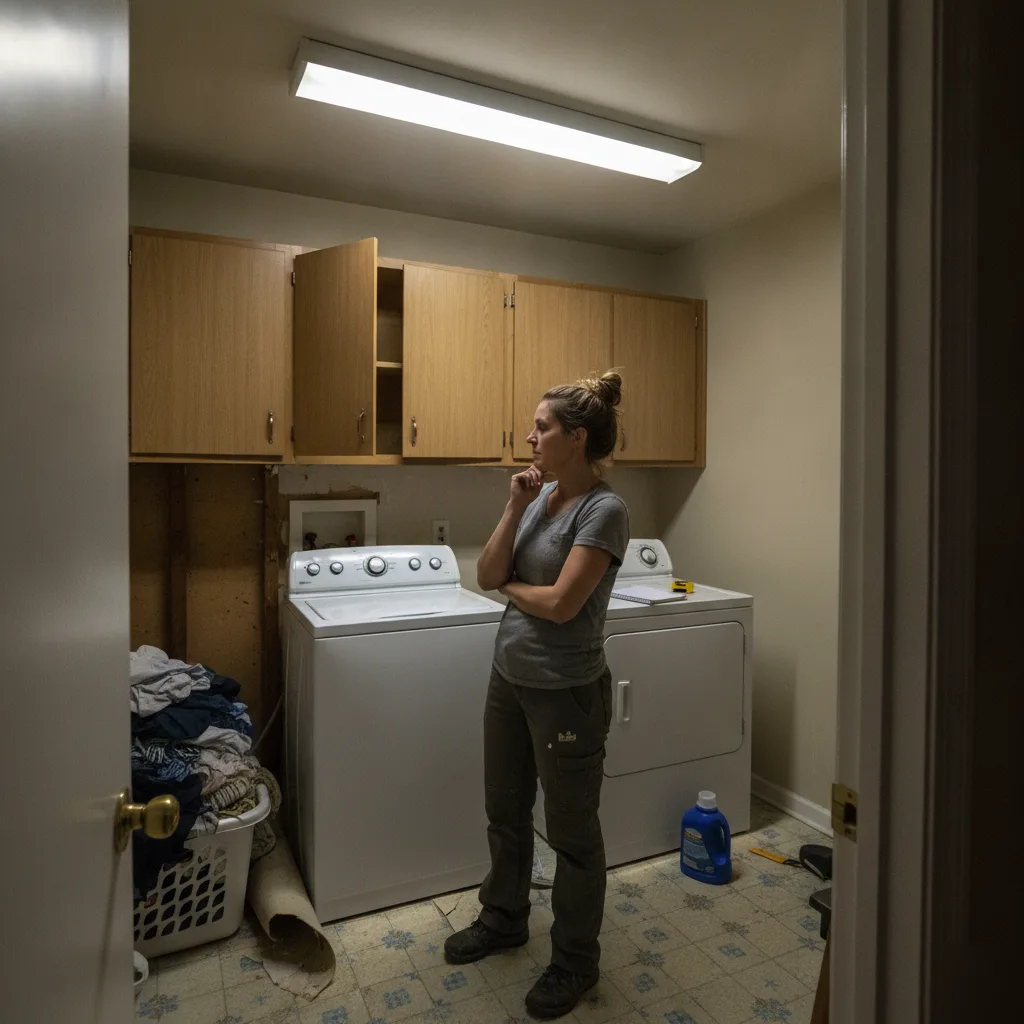
Most folks in Brownsburg start thinking about a laundry room remodel for a simple reason. Maybe the space feels too tight. Perhaps the lighting is just awful, or the machines barely squeeze in. But what does a laundry room remodel in Brownsburg truly involve? It's a lot more than just swapping out an old washer and dryer. The answer covers a good bit more ground.
A full remodel usually touches nearly every surface. It also impacts every system in that room. The team sees this surprise on homeowners' faces constantly. You come in thinking it's a quick weekend project, then we find the plumbing needs rerouting. Or the electrical panel can't handle a new dryer circuit. And the flooring underneath? It might have moisture damage nobody even noticed yet.
The Core Components
Here's what a typical laundry room remodel actually covers:
- Plumbing updates, adding new supply lines, fixing drain connections, and sometimes moving the washer hookup to a better spot in the room
- Electrical work, putting in a dedicated 240-volt circuit for the dryer, bringing outlets up to code, and making the lighting much better
- Cabinetry and storage, installing upper cabinets, a solid folding counter, pull-out hampers, or open shelving that really fits how you use the space
- Flooring, swapping out worn vinyl or old carpet for water-resistant materials like luxury vinyl plank (LVP) or tile, materials that stand up to spills
- Ventilation, rerouting or cleaning dryer vents to meet today's safety standards (a big one for fire prevention)
And that's just a basic list. Many projects also mean new drywall, a fresh coat of paint, upgraded door hardware, and better ceiling lighting. Some homeowners choose to add a utility sink. Others want a handy spot for pet washing or a drying rack that tucks flat against the wall.
Why Brownsburg Homes Need Special Attention
Many Brownsburg homes were built in the 1990s and early 2000s. Back then, laundry rooms were often an afterthought. Those rooms were designed small. The team often finds them tucked into hallway closets. Sometimes they are squeezed right next to the garage entry. That kind of layout creates real challenges. Airflow and moisture control often struggle.
Indiana's humidity really matters here, by the way. A laundry room without proper ventilation traps moisture. It stays inside your walls. Over time, that will lead to mold behind drywall. The team has pulled back walls in homes near Arbuckle Commons and found damage. It started years ago from a dryer vent that was never installed correctly. Mold is not a fun surprise.
So a good remodel isn't just about making things look pretty. It's about fixing what's hidden. You prevent bigger problems later.
The Part Most People Miss
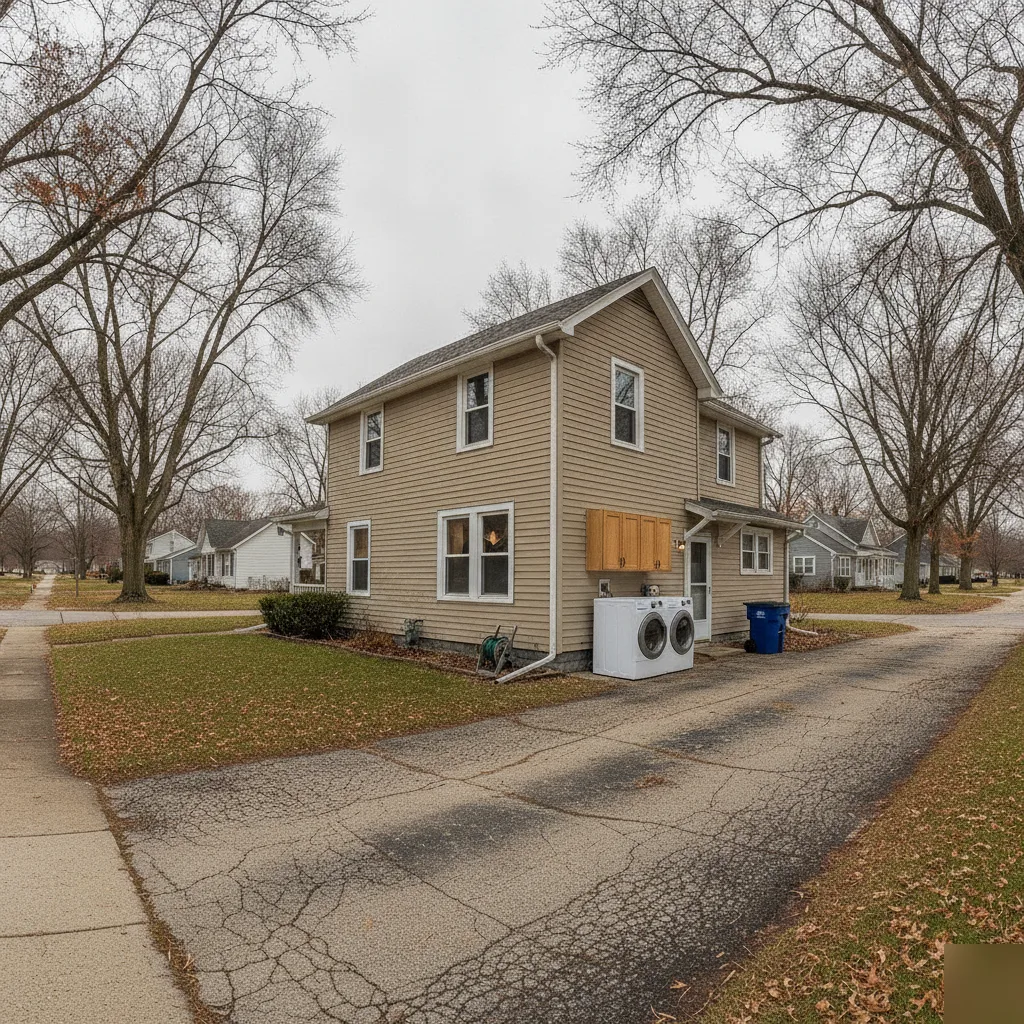
Layout changes make the biggest difference in how your laundry room actually works day to day. But they're the part homeowners tend to skip when they plan on their own. Moving a washer six inches to the left might not sound like much, it can open up enough room for a folding surface that changes your whole routine. That's real.
One Brownsburg homeowner the team worked with had been stacking laundry baskets on top of the dryer for years. After the team reconfigured the layout and added a countertop above her front-load machines, the room finally worked as it should have from the very start. Small shifts. Big impact.
The whole point is to make the room serve you. If you're starting to think about what your laundry room could look like, the remodeling team here at Terry Brodnik Group can walk you through what your specific space needs. We've seen it all.
Plumbing and Electrical Work Are Core Parts of the Remodel
Most homeowners picture new cabinets and flooring first. But the real backbone of any laundry room remodel is what goes behind the walls. Plumbing and electrical upgrades drive the project timeline, the permit requirements, and how dependable the finished room will be for years.
Here's what the team sees constantly. A homeowner wants to move the washer to a different wall. Sounds simple enough. But that move means rerouting supply lines. It means extending the drain. And sometimes, adding a new vent stack through the roof. In older Brownsburg homes near Arbuckle Acres or along the Green Street corridor, the existing drain lines may be too small or corroded. Skipping a thorough inspection of those pipes is the single fastest way to end up with a slow drain or a nasty backup six months after the remodel wraps. That's a headache you don't want.
What Plumbing Work Usually Involves
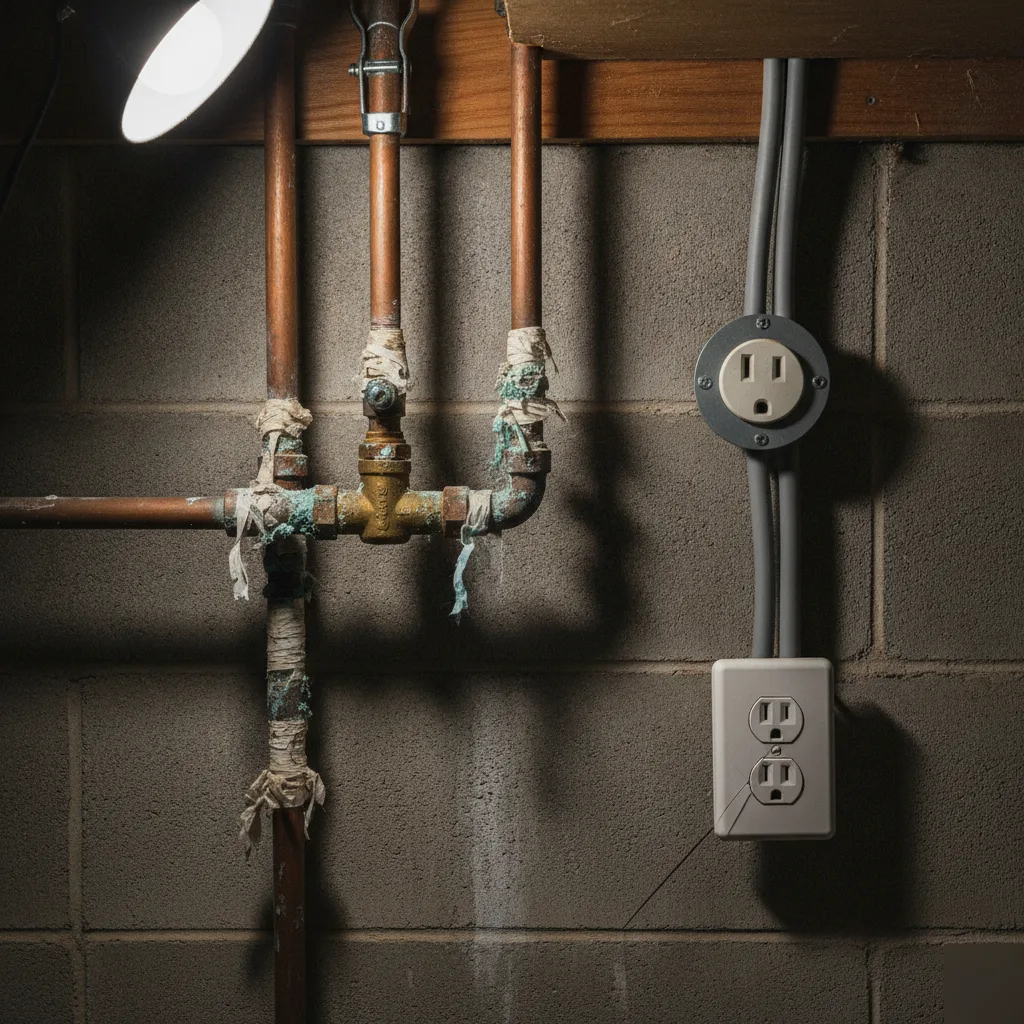
A laundry room remodel typically touches three plumbing systems at once. Hot and cold supply lines need to reach the new washer location. The drain and vent system has to handle the water volume your machine puts out. And if you're adding a utility sink, that's a whole separate set of connections. The team handles these in a specific order every time:
- Shut off water and assess existing pipe material and its condition.
- Rough in new supply lines to the planned washer and sink locations.
- Install or extend the drain line with the right slope for gravity flow.
- Add or modify the vent pipe so the drain doesn't gurgle or slow down.
- Pressure-test all new connections before closing up the walls.
That pressure test matters more than most people realize. A tiny leak behind drywall can cause mold growth in weeks. That kind of hidden damage is always expensive to fix later. The EPA's guidance on how to fix common household water leaks is a helpful resource for understanding just how quickly small plumbing issues can become big problems.
Electrical Needs Go Beyond a Single Outlet
Your washer and dryer need dedicated circuits. A gas dryer still needs a 120-volt outlet. An electric dryer needs a 240-volt line. Most laundry rooms in Brownsburg homes built before 2000 don't have the right circuit setup for modern machines. The National Electrical Code says laundry areas must have at least one dedicated 20-amp circuit for the washer alone. It's not an option.
And it's not just about the machines. Good lighting makes a real difference. Especially in a room where you're sorting darks from lights and treating stains. The team typically adds overhead LED fixtures. We also add under-cabinet task lighting if the layout includes a folding counter. A GFCI-protected outlet near any water source? That's code-required, not optional.
One thing most people don't think about is the dryer vent routing. If the new dryer position puts it farther from an exterior wall, the vent run gets longer. Longer runs reduce airflow. And they increase fire risk. The U.S. Fire Administration reports that clothes dryers cause roughly 2,900 home fires each year. Many of those fires are linked to improper venting. Getting this right during the remodel prevents a serious safety hazard down the road. It's a critical step.
Hendricks County requires permits for both plumbing and electrical changes in a laundry room remodel. The team pulls those permits and schedules inspections as part of the project. You don't have to chase that down yourself. Skipping permits might save a few days on the calendar, it creates real problems if you ever sell your home or file an insurance claim. It's just not worth the trouble.
If you're starting to think about what your laundry room needs behind the walls, getting the infrastructure right is the part that makes everything else last. It's the groundwork for a solid space.
Storage, Cabinets, and Countertops Transform How the Room Functions
Most laundry rooms in Brownsburg homes were built with a wire shelf and a prayer. Maybe just a single rod for hanging. That setup works until it doesn't, which is usually about two weeks after moving in. A laundry room remodel changes that completely. It gives every item a real home.
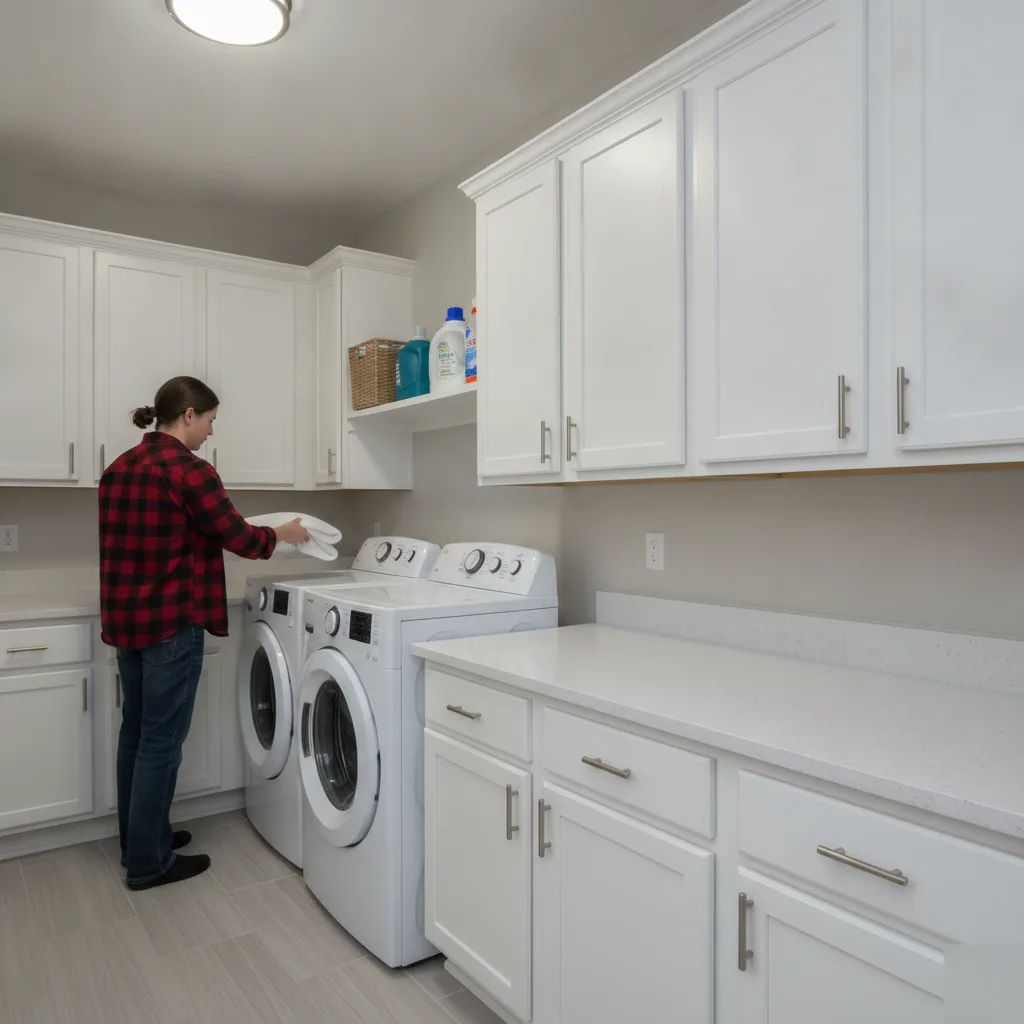
Cabinets are the backbone of a functional laundry space. The team installs upper cabinets above the washer and dryer in almost every project. They hide detergent bottles, stain removers, and dryer sheets behind closed doors. You get no more visual clutter. But the real upgrade is a tall utility cabinet or a pull-out hamper system built right into the cabinetry. Dirty clothes go straight in, sorted by color or family member. No more plastic baskets cluttering the floor. It's clean, it's neat.
What Storage Upgrades Make the Biggest Difference
Not all storage is equal, we've noticed. Some additions really change your daily routine. Others just look nice in photos. Here's what actually moves the needle for Brownsburg homeowners:
- A folding counter at standing height, so you stop using the kitchen table or your bed for laundry
- Pull-out drying racks that tuck away when they're not in use, keeping the room tidy
- Deep lower cabinets with roll-out trays for bulky items like irons and steamers, easy access
- A dedicated broom closet or a cleaning supply zone, often near the garage entry
- Open cubbies for each family member's clean laundry, ready to grab and go without sorting again
That last one sounds simple. It saves an unreal amount of time for families with kids in the Brownsburg school district. Juggling sports gear and school uniforms is hard enough.
Countertops matter more than people expect.
A solid surface countertop over a front-load washer and dryer creates usable workspace. It simply didn't exist before. Quartz holds up well against moisture and heat, (it's a tough material). Laminate works fine too and keeps the project price-friendly. The key detail most homeowners miss is the depth. Standard base cabinets are 24 inches deep, but washers and dryers sit at 27 to 30 inches. The team accounts for that gap every time, because a countertop that doesn't reach the wall collects lint, loses socks, and looks unfinished. It's a small detail that makes a big difference in how your laundry room feels.
And here's something only experience teaches you. In many Brownsburg homes built in the early 2000s near the Northfield and Holiday Springs neighborhoods, the laundry room shares a wall with the garage. That wall often has an electrical panel or water heater access on the other side. Cabinet depth and placement have to work around those mechanicals. If you don't, you'll end up ripping things out later. The team checks every wall before designing the layout. We make sure everything fits without any surprises.
One scenario that comes up a lot is the homeowner who wants floor-to-ceiling cabinets but has an 8-foot ceiling with a vent running across the top. You can't just box it in. Proper planning means the cabinetry fits tight. It shouldn't block airflow. And it can't create a code issue. Most people don't realize this until it's too late.
So when you think about remodeling your laundry room, think beyond just the machines. The cabinets and countertops are what turn a pass-through room into a space you actually want to use. If you're ready to see how storage upgrades fit into your project, check out the team's laundry room remodeling services page for a closer look at the full process.
Ready to get started on your laundry room remodel? Call us at (317) 523-8886 or visit tbrodnikgroup.com to schedule a free estimate.
Frequently Asked Questions
Do Brownsburg homes really need a permit for a laundry room remodel?
Yes, most laundry room remodels in Brownsburg require at least one permit, sometimes several. Any work that touches plumbing, electrical, or structural elements triggers a permit requirement through Hendricks County. Skipping permits is a common mistake. It can cause real problems when you sell your home. Inspectors catch unpermitted work during real estate transactions. Getting the permits pulled correctly from the start protects you and keeps the project above board.
What is the difference between a laundry room refresh and a full remodel?
A refresh usually means cosmetic updates only — new paint, new hardware, maybe a shelf or two. A full remodel goes deeper. It touches plumbing, electrical, flooring, and sometimes the layout itself. If your room has moisture damage, outdated wiring, or a tight layout that doesn't work, a refresh won't fix those problems. A full remodel addresses what's behind the walls, not just what you can see on the surface.
Why does Indiana's humidity make laundry room ventilation so important?
Indiana summers bring high humidity, and Brownsburg is no exception. A laundry room without proper ventilation traps that moisture inside your walls. Over time, mold can grow behind drywall without any visible warning signs. Dryer vents that aren't routed correctly make this worse. A good remodel always checks ventilation early. Fixing a dryer vent during a remodel costs far less than treating mold damage later. Proper airflow protects your home year-round.
Can I just move my washer to a different wall without major work?
Moving a washer even a few feet almost always means rerouting plumbing. You need new supply lines, an extended drain, and sometimes a new vent stack. In older Brownsburg homes, existing drain lines may already be undersized or corroded. What looks like a simple shift can turn into a bigger project once the walls open up. That's not a reason to avoid it — a layout change can transform how your room works. It just needs proper planning from the start.
What is a common mistake homeowners make when planning a laundry room remodel?
The most common mistake is focusing only on looks and skipping the systems check. Homeowners pick cabinets and flooring first, then discover the electrical panel can't support a new dryer circuit. Or they find moisture damage under the old flooring. Starting with a full assessment of plumbing, electrical, and ventilation saves you from expensive surprises mid-project. If you want to understand everything your specific space needs, the laundry room remodeling services page walks through the full process.
How do I know if my laundry room needs more than just cosmetic updates?
A few signs point to deeper problems. Slow drains, flickering lights, musty smells, or soft spots in the flooring all suggest something is wrong behind the surfaces. Many Brownsburg homes built in the 1990s and early 2000s have laundry rooms that were designed as afterthoughts. They often have undersized electrical, poor ventilation, and minimal storage. If your room has any of those warning signs, cosmetic updates alone won't solve the real issues underneath.