
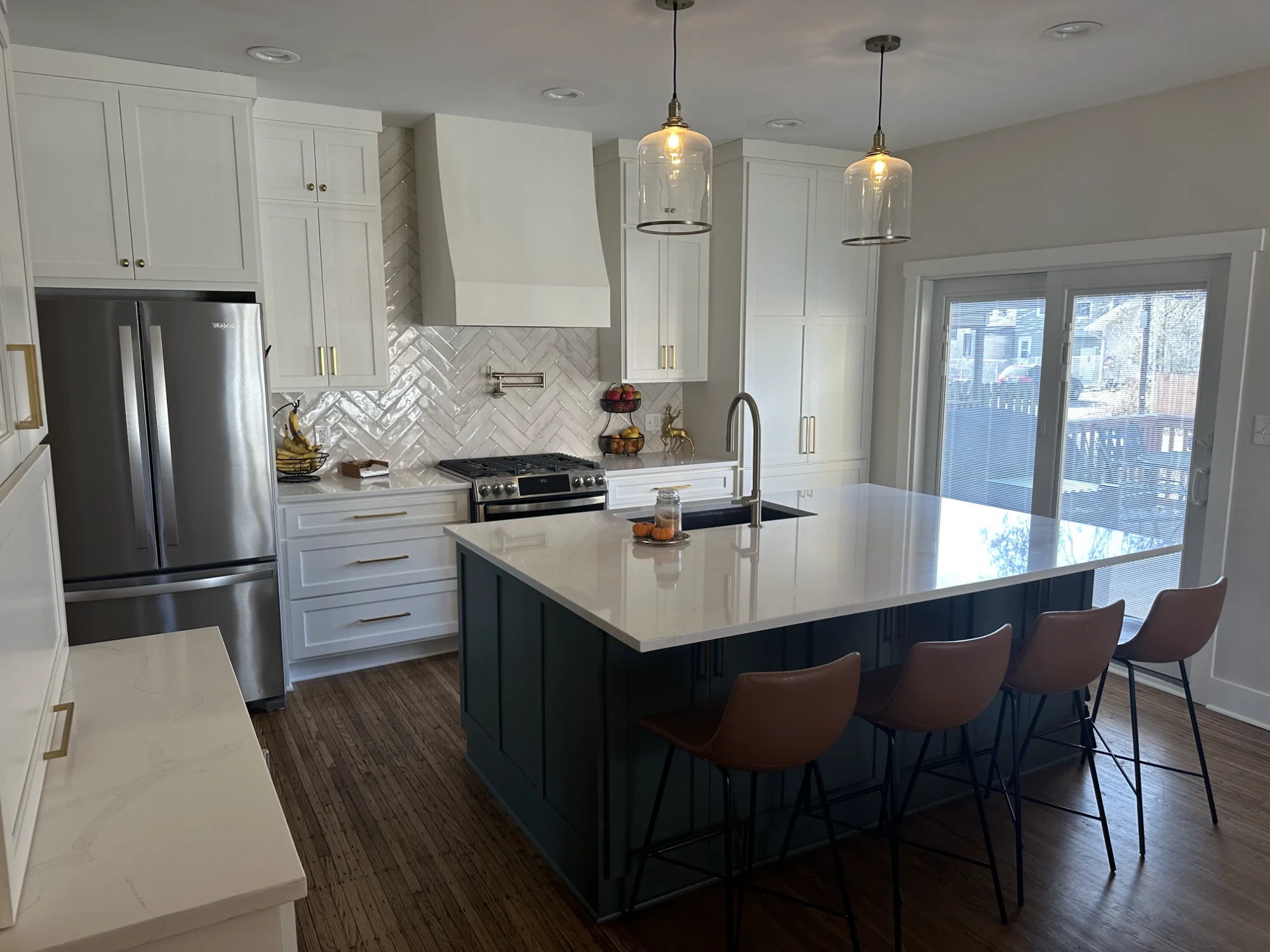
What Renovation Really Means
Renovation means making an existing space new again without changing what it is or how it's laid out. Your kitchen stays a kitchen, and the walls stay where they are. You're fixing, refreshing, or upgrading what's already there.
Homeowners in Brownsburg IN ask the team this question all the time. What does renovation mean? Here's the definition with examples explained in plain terms. A renovation takes something worn out or dated and brings it back to good shape. The room keeps its job, and the floor plan stays the same.
The word comes from the Latin "renovare." It means "to make new again." That's still the best way to think about it.
So if you're swapping tired finishes for fresh ones, that's a renovation. If you're tearing out walls to change how a room works, that's something else. Most people call that a remodel.
Renovation projects come in all sizes. Some take a weekend, others take a few weeks. These are a few of the most common ones the team sees around Brownsburg and Hendricks County:
- Refinishing scratched hardwood floors so they look close to new
- New countertops, sinks, and faucets in a kitchen with the same layout
- Replacing drafty windows in the same openings
- Swapping out an old bathroom vanity, toilet, and tile without moving any plumbing
- Fresh drywall, trim, and paint after years of wear
Notice what they all share. Nothing moves. The space just works better and looks better than it did.
Lots of Brownsburg homes went up in the 1990s and early 2000s. Many of them still have their original builder-grade finishes, and those finishes are hitting the end of their life now. Laminate counters are peeling at the seams. Carpet is flattened in the hallways, cabinet hinges sag. These homes usually have good bones. They don't need a new layout, they need a refresh.
Here's something most people don't know until they're halfway through a job. Renovation often uncovers problems you couldn't see.
The team pulled up a bathroom floor in a Brownsburg ranch last year. The homeowner just wanted new tile. But the subfloor around the toilet was soft and stained from a slow leak. It had probably been there for years. Indiana's humid summers and freeze-thaw winters don't help either. Moisture finds its way into places it shouldn't. And once you open things up, you have to fix what you find. Skip it, and your nice new tile cracks within a year or two.
That's why a good renovation is more than surface work. It means checking what's under the surface before you cover it back up. A quality renovation should last for decades. Not just until the next time something gives out -
Or maybe your project falls somewhere in between. Some jobs start as a simple refresh and grow once you see the options. That's normal. Knowing the definition just helps you describe what you want when you talk to a contractor.
Still not sure which bucket your project falls into? A quick conversation usually clears it up in a few minutes.
Call nowRenovation vs. Remodel: Why the Difference Matters
Brownsburg homeowners often use renovation and remodel like they mean the same thing. They don't. And that small difference shapes your whole project. It affects permits and trades. It also decides how long you'll live with plastic sheeting over a doorway.
A renovation brings back what's already there. The room keeps its purpose and its layout. You're making it new again. Think fresh paint and new flooring. Or refaced cabinets, updated lighting, and a clean vanity where a tired one used to sit.
A remodel changes the form of a space. Walls move. A kitchen gains an island where a wall once stood. A spare bedroom turns into a bigger primary bath with a walk-in closet. The structure or the use of the room shifts.
Here's how the two stack up side by side. Keep these in mind when you start sketching ideas on the back of an envelope.
- Renovation keeps the same layout and updates the look and function
- A remodel creates a new layout, a new use, or a changed structure
- Plumbing and wiring usually stay put during a renovation
- With a remodel, expect pipes, ducts, or circuits to move to new spots
- Fewer trades tend to show up for renovation work, so it often wraps sooner
Paint is a renovation, moving the sink across the room is a remodel. That's the simplest way to think about it.
So why does the label matter at all? Because scope drives everything. The more you change, the more people touch the job. A framer, an electrician, a plumber, and an inspector might all be part of a remodel. A renovation might need only one or two of them.
Permits follow the same pattern. Cosmetic renovation work often doesn't need one. But moving a wall, adding a circuit, or relocating a drain usually does. In Brownsburg, that means working with the town's building department for plans and inspections. The team always checks permit needs before a single wall gets touched.
The team sees this mix-up almost every week. A homeowner near Arbuckle Acres Park called about a kitchen renovation in their 1990s ranch. New cabinets and counters, they said. But they also wanted the wall between the kitchen and dining room gone.
That wall was carrying ceiling joists. Taking it out meant a new beam and a permit. It also meant rerouting a heating duct that ran right through the middle. Their renovation was really a remodel. Once they knew that, the timeline made sense and nobody got caught off guard.
Lots of homes around Brownsburg have a center bearing wall just like that one.
And opening up walls in an older house has a way of turning up things nobody planned for. Old splices in the wiring. A vent stack in the wrong place. Insulation that settled years ago -
None of this should scare you off. It just helps to use the right word from day one. The finishes look the same in the photos, the work behind them isn't. Knowing which project you have lets you ask better questions and compare plans fairly. It also helps you pick a contractor who's honest about what your home needs.
Call now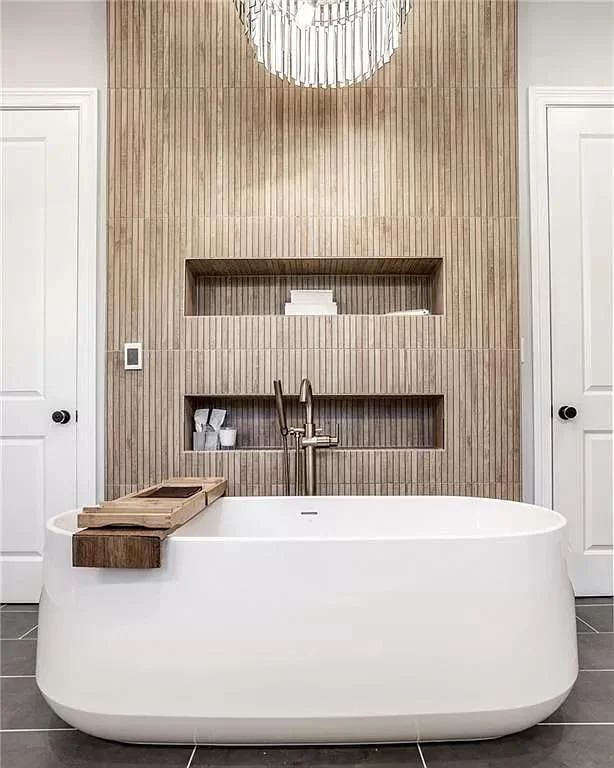
Renovation vs. Restoration: A Second Common Mix-Up
Restoration sounds a lot like renovation. But the two have very different goals. Renovation updates a space so it works better for how you live now. Restoration brings a space back to how it looked and worked at an earlier point in time.
Think of it as forward vs. backward.
With a renovation, you might swap a dated 1990s kitchen for new cabinets, better lighting, and a layout that fits your family. The old look doesn't have to survive. Restoration is the opposite. It keeps the original character and repairs or rebuilds what's worn out, using materials and methods that match the era of the home.
So which one are you planning? Most homeowners know right away once they look at a few signs.
- You want open space, modern finishes, or a new layout. That's renovation.
- Original trim, plaster walls, or old wood floors matter to you and you want them saved. That points to restoration.
- The home has historic value or sits in an older part of town where its look matters to the street.
- Your main goal is comfort and function for the next twenty years, not period accuracy.
Plenty of projects land in the middle, and that's fine. The team sees this a lot in Brownsburg's older homes near downtown along Main Street. A homeowner wants to keep the original staircase and window trim, but they also want a kitchen that doesn't feel stuck in 1950. That's a renovation with restoration pieces built in. Naming both goals early keeps everyone on the same page.
Here's a real example. A couple came to the team with a farmhouse-style home outside Brownsburg. They asked for a full restoration. After a walkthrough, it turned out they only cared about the front porch and the living room woodwork. Everything else? They wanted it updated. Calling the whole job a restoration would've meant chasing old-style materials in rooms they planned to change anyway, the cost and timeline would've grown for no reason.
That mix-up happens more than you'd think.
One more thing matters with older houses. If your home was built before 1978, there's a real chance it has lead paint under newer layers. The EPA's Renovation, Repair and Painting Rule requires certified crews and safe work practices when that paint gets disturbed. This applies to renovation and restoration alike. Sanding old trim to restore it can kick up just as much dust as tearing it out. Not a step to skip.
And restoration usually takes more hands-on time. Matching old millwork or patching plaster by hand is slow, careful work. Renovation can move faster because new materials are easier to source and install. Neither is better. They just solve different problems.
If you're not sure where your project fits, talk it through before you pick a contractor or a budget. A good walkthrough will show you which parts of your home are worth saving and which ones are ready for something new.
Call now