
Brownsburg, IN
What is the best time of year for siding installation in Brownsburg?
How Weather Affects Siding Installation
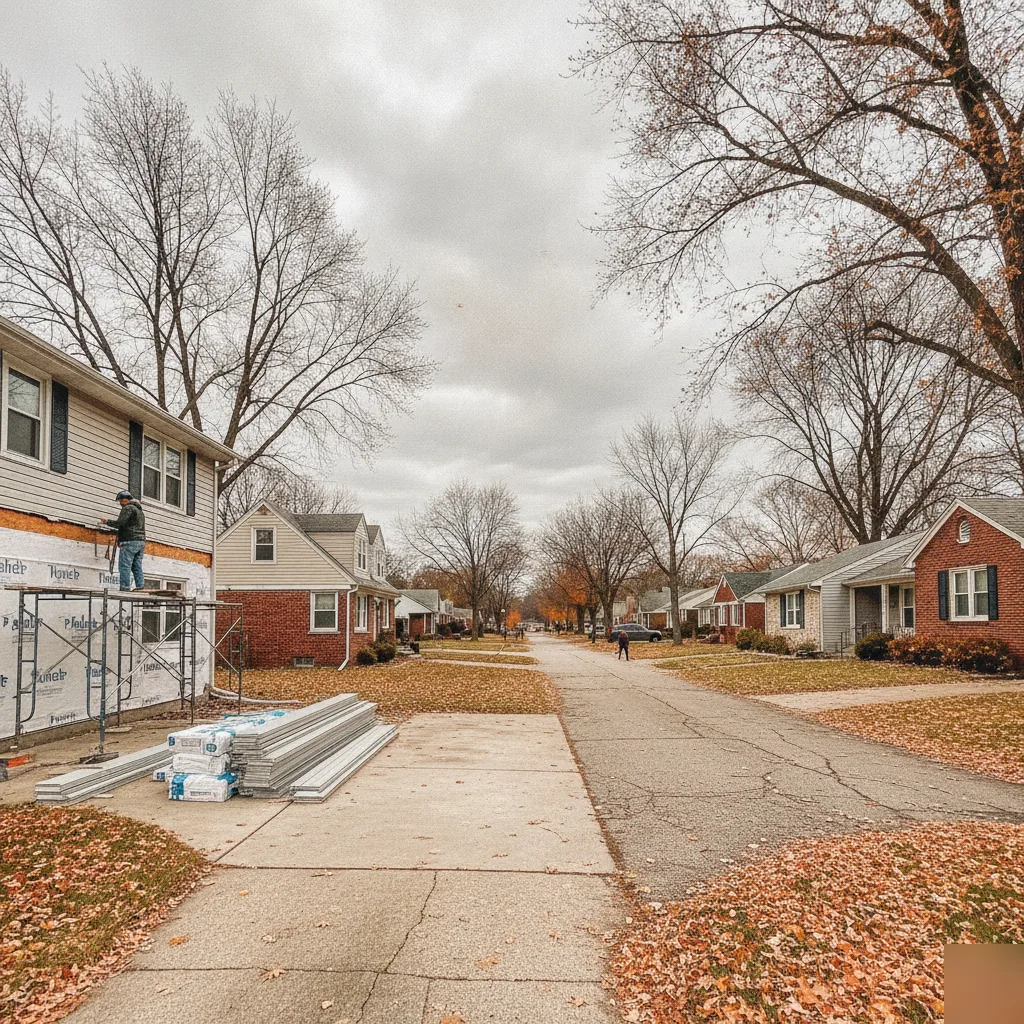
Homes in Brownsburg really take a beating from the weather. The team sees it every year. Freeze-thaw cycles crack old panels. Summer storms peel back loose edges. What's happening outside during your siding installation matters a lot, as much as the materials themselves.
Temperature changes how siding behaves when it goes up. Vinyl siding expands and contracts with heat and cold. If the team installs it on a freezing day, the panels are contracted and brittle. Nail them too tight then, and they'll buckle later when summer hits. Local siding installation specialists watch for this closely, since the National Association of Home Builders notes that vinyl can shift up to half an inch across a 12-foot panel with temperature swings. That's a big move if the crew isn't thinking about it.
Most folks don't realize this until the damage shows.
Cold Weather Risks
Indiana winters bring temperatures well below freezing. Doing a siding installation in those conditions creates real problems:
- Vinyl gets rigid. It cracks easily when cut or nailed.
- Caulk and sealants won't cure right. Not below 40 degrees.
- Frozen ground and ice on scaffolding create safety hazards for the crew.
- Shorter daylight hours slow the project down.
The team has seen homeowners near Arbuckle Commons and along Green Street try to squeeze in a late January install. They want to beat spring pricing. It rarely works out well. Cracked panels and poor seals lead to callbacks. That's not a shortcut, it's just trouble waiting to happen.
Heat and Humidity Challenges
July and August in Brownsburg bring their own headaches. Temperatures above 90 degrees make vinyl overly flexible. It's tough to get straight, clean lines when the material is soft. Fiber cement handles heat better, but the crew still deals with rapid moisture evaporation that can affect joint compound and paint adhesion.
Humidity matters too. High moisture in the air slows drying times for house wrap seams and flashing tape. And if moisture gets trapped behind the panels during installation, your home is looking at mold risk down the road. The team always checks moisture readings on the sheathing before covering it up, it's a small step that prevents big headaches later. Following energy efficient insulation standards during this stage also helps keep moisture and air leaks from becoming bigger problems later.
Rain and Wind
Rain stops a siding installation cold. You simply can't seal your home's exterior while water runs down the walls. The bigger issue, though, is what happens in the days after rain. If the underlying sheathing or insulation board absorbs moisture before the new siding goes on, that trapped water has nowhere to go. It sits there and slowly rots the wood underneath. We've seen this too many times.
Wind is also a factor. Brownsburg sits in open Hendricks County terrain with few natural windbreaks. Sustained winds above 20 mph make it unsafe to handle large panels on ladders. So even on a clear, dry day, strong wind can shut things down.
Here's what the team watches for before starting any siding installation day:
- We check the forecast for a dry window of at least two consecutive days.
- We confirm temperatures will stay between 40 and 85 degrees.
- The team tests moisture levels on the sheathing with a pin meter.
- We verify wind speeds will stay under 20 mph through the afternoon.
Weather isn't something you control. But you can plan around it. That's exactly why timing your siding installation right makes such a big difference for Brownsburg homeowners. If you're thinking about new siding, the team can walk you through what your home needs and help you pick the right window to get it done. Reach out to get started.
Why Booking Early Matters for Brownsburg Homeowners
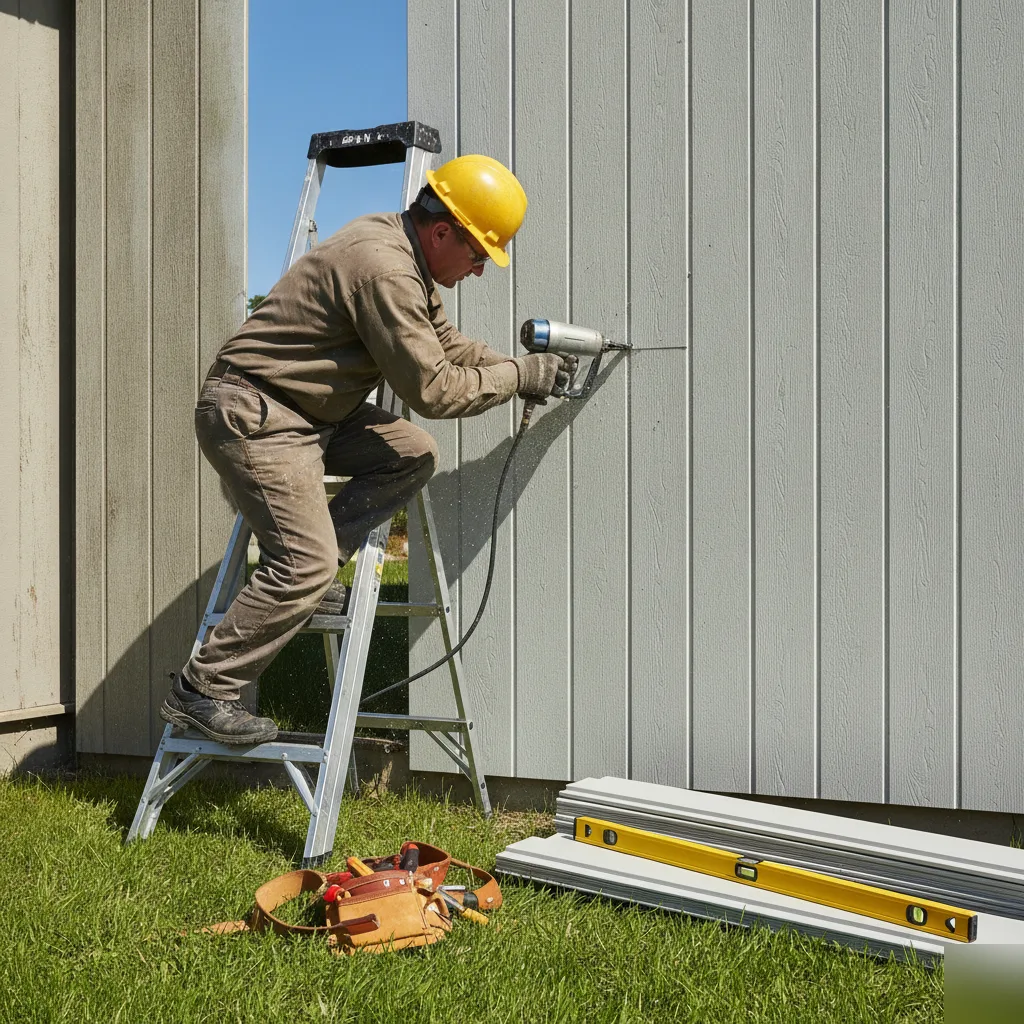
Most homeowners in Brownsburg start thinking about siding installation around April or May. By then, the crews already have full schedules stretching into July. That's the reality of the busy season in Hendricks County, and it catches people off guard every single year.
The team sees this pattern repeat without fail. Always.
A homeowner notices peeling or warped siding after a rough winter. They wait until the weather warms up to call. But so does everyone else on their street, in their neighborhood near Arbuckle Acres or along the Green Street corridor. Suddenly a project that could've started in three weeks is now six to eight weeks out.
What Happens When You Wait
Delayed siding installation isn't just an inconvenience. It puts your home at risk. Every week your damaged siding stays exposed, moisture has a path behind the panels. Indiana's spring storms bring heavy rain, and that water finds gaps fast. One season of neglect can turn a straightforward siding installation into a siding installation plus sheathing repair plus mold remediation. Trust us, no one wants that.
Here's what the team typically sees when homeowners wait too long to book:
- Water damage behind old siding that wasn't visible during the initial inspection months earlier.
- Limited material availability. Suppliers run low on popular profiles and colors by midsummer.
- Rushed scheduling. This forces crews to work around less ideal weather windows in late fall.
- Higher demand periods. Project timelines stretch well beyond what homeowners expect.
None of these problems are unsolvable. But all of them are avoidable with a phone call made a few months sooner.
The Sweet Spot for Scheduling
January through early March is the smartest time to schedule your siding installation in Brownsburg. You're not competing with the spring rush. You get first pick on materials. And the team can plan your project for the ideal installation window, typically late spring or early fall, without scrambling. This is the part most people overthink.
Think of it like booking a contractor in reverse. You lock in your spot during the slow season, so the actual work happens during the good season. Most people don't realize this until it's too late. They assume calling early means the work starts early. It doesn't. It means the work starts at the right time.
A good example: a family near Williams Park called the team in February last year. Their vinyl siding had storm damage from the previous October. Because they booked early, the team scheduled their siding installation for the first dry week of April. Materials were ordered with plenty of lead time. The crew showed up on day one with everything ready. Three days later, their home looked completely different.
Compare that to a neighbor who called in May with similar damage. Same scope of work. But the project didn't start until August. Every crew in the area was booked solid through the summer.
Same project. Four months apart. The only difference was timing. If you're already noticing issues with your siding, don't wait for perfect weather to reach out. Visit the team's siding installation page to learn more about the process and get your project on the calendar before the busy season fills up. Early planning gives you better options, a smoother timeline, and one less thing to stress about when Brownsburg's spring storms roll through. Call us today.
What Happens During a Siding Installation Project
Most homeowners in Brownsburg have never been through a siding installation before. That's normal. But not knowing what to expect can make the whole process feel bigger than it is. Here's a straightforward look at what happens from start to finish.
The team breaks every siding installation into clear steps. Each one matters. Skipping any of them leads to problems down the road. We see it happen all the time.
- Initial inspection and measurements. Before any materials get ordered, someone needs to walk your home's exterior. The team looks at the condition of your current siding, checks for moisture damage underneath, and takes precise measurements. Homes near Arbuckle Acres and older neighborhoods around downtown Brownsburg often have surprises hiding behind the original cladding.
- Material selection and ordering. Once measurements are locked in, you'll choose your siding material and color. Lead times vary by season. Spring and fall orders tend to arrive faster because manufacturers aren't as backed up.
- Old siding removal. This is the loud part. The crew strips off existing siding panel by panel. Underneath, they're looking for rot, insect damage, or failed house wrap. The team finds moisture issues on roughly one in three homes in Hendricks County, most people don't realize there's a problem until this step.
- Sheathing and weather barrier prep. If the sheathing is solid, the crew installs or replaces the house wrap. This layer is your home's real defense against water. A sloppy house wrap job is the single biggest reason siding installations fail early.
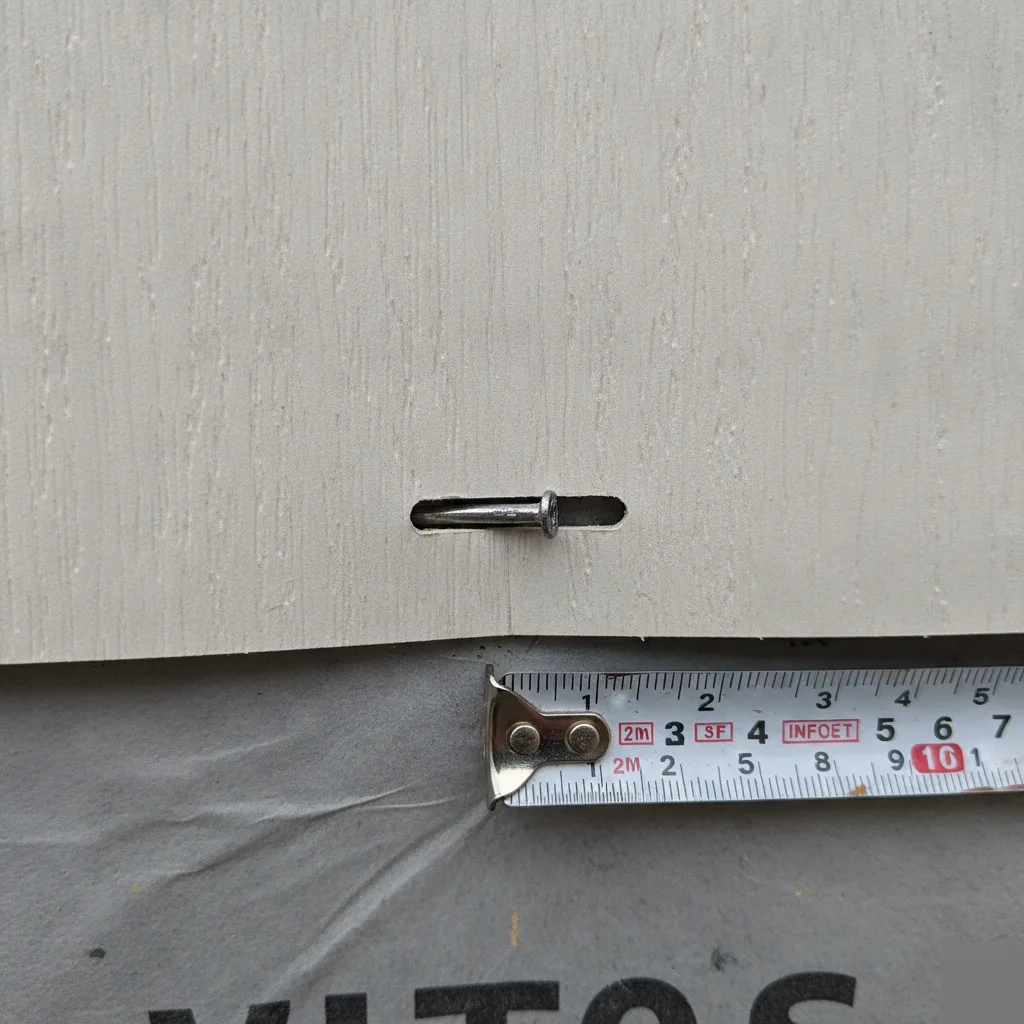
- New siding installation. Panels go up from the bottom, one course at a time. Proper nailing patterns matter here. Nail too tight and the siding buckles in Indiana's summer heat. Leave it too loose, and wind gets underneath during storms.
- Trim, caulking, and detail work. Windows, doors, corners, and soffits all get finished trim. This is where craftsmanship really shows. Rushed trim work looks bad within a year.
- Final walkthrough and cleanup. The crew cleans up every nail, scrap, and piece of debris. Then you walk the entire project together to make sure everything looks right.
A typical siding installation on a Brownsburg home takes three to five days for an average-sized house. Larger homes or projects with underlying damage can stretch to a week or more.
Here's something the team sees all the time. Homeowners worry about the mess and noise, but the part that affects your daily life is minimal. You can stay in your home during the entire project. And your landscaping gets protected with drop cloths and careful staging.
One thing that catches people off guard is the inspection step after removal. If there's rot behind your old siding, it has to be fixed before new panels go up. Covering damaged sheathing with fresh siding is like painting over a stain. It looks fine for a while, then the real problem comes back worse.
The team handles siding installation projects across Brownsburg. We focus on getting each step right before moving to the next one. If you're curious about what your specific home might need, reach out for a free estimate and the team can walk through the details with you.
Frequently Asked Questions
Can I install siding myself, or should I call a professional in Brownsburg?
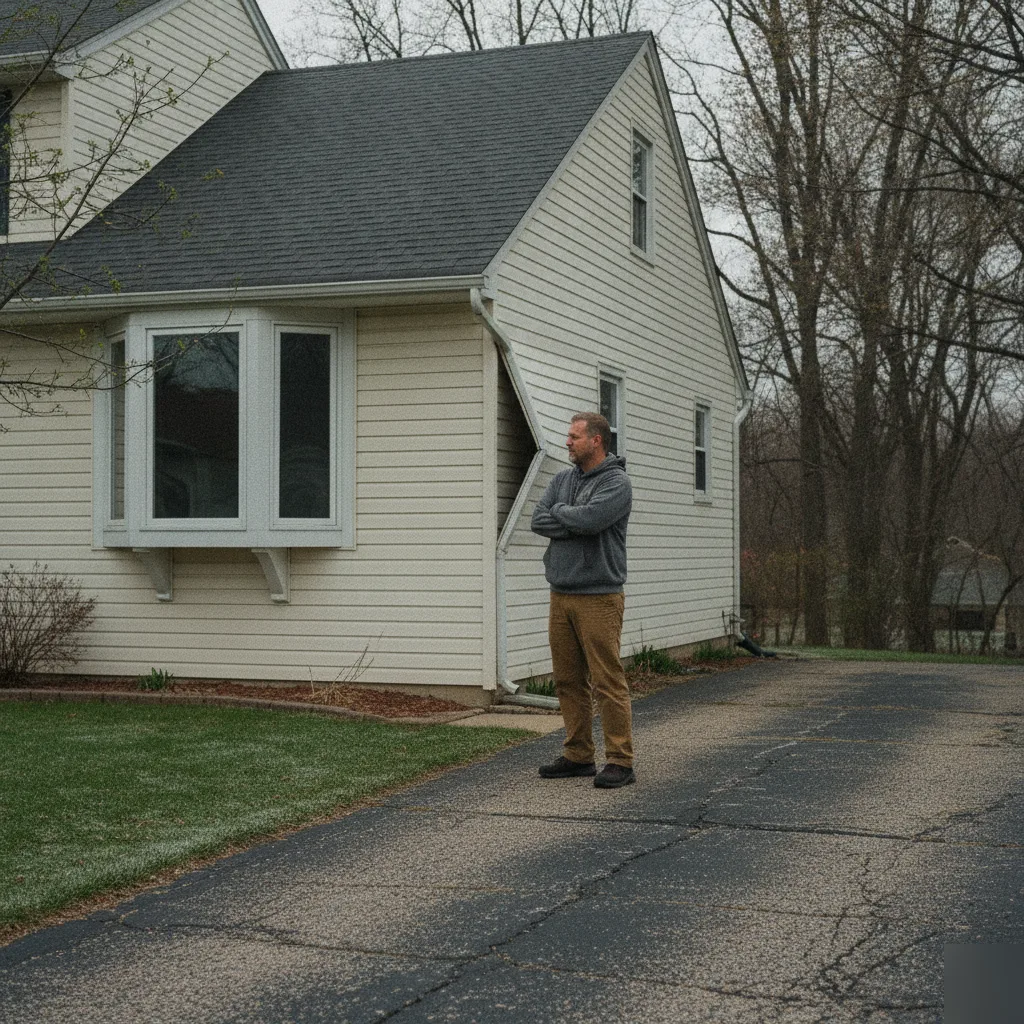
You can handle small repairs yourself, but full siding installation needs a professional. Getting panels to expand and contract correctly takes training and the right tools. A pro also checks moisture levels on the sheathing before covering it up. That step prevents mold problems later. If your Brownsburg home needs new siding, a trained crew knows how to work around our local weather swings safely.
What's the biggest mistake homeowners make with siding installation timing?
The biggest mistake is waiting until spring to call. Most Brownsburg homeowners notice damage after winter, then wait for warm weather to schedule work. By April, crews already have full calendars stretching into July. Booking early, between January and March, gets you first pick on materials and a spot in the ideal spring or fall installation window.
How does Brownsburg's weather affect when siding should go on?
Brownsburg's freeze-thaw winters and humid summers both create risks for siding installation. Cold temperatures make vinyl brittle and stop caulk from curing properly. Hot, humid stretches in July and August make vinyl too flexible for clean, straight lines. Add in open Hendricks County wind with few natural windbreaks, and you get a narrow window of good installation days each year. That's why timing matters so much here.
Why does temperature matter so much for vinyl siding installation?
Temperature changes how vinyl siding behaves once it's installed. Vinyl expands and contracts with heat and cold, shifting up to half an inch across a 12-foot panel, according to the National Association of Home Builders (SOURCE: NAHB). If panels are nailed too tight on a cold day, they can buckle once summer heat arrives. Installing within the right temperature range helps avoid cracked panels and failed seals down the road.
What happens if I delay siding installation after noticing damage?
Delaying siding installation lets moisture keep working its way behind damaged panels. Indiana's spring storms bring heavy rain that finds gaps fast. One season of waiting can turn a simple siding installation into a bigger job with sheathing repair and mold cleanup added on. Suppliers also run low on popular styles by midsummer, which limits your options even more.
How do I know the right season to schedule my siding project?
The right season depends on Brownsburg's temperature and moisture patterns, not just your calendar. Late spring and early fall usually offer the most stable weather for installation. Booking your project in January through early March lets a crew plan around those ideal windows before the busy season fills up. Reach out to talk through your home's needs and find the best siding installation timeline for you.