Brownsburg, IN
What is the Best Time of Year to Install a Fence in Brownsburg?
Why the Season Isn't the Real Timing Question
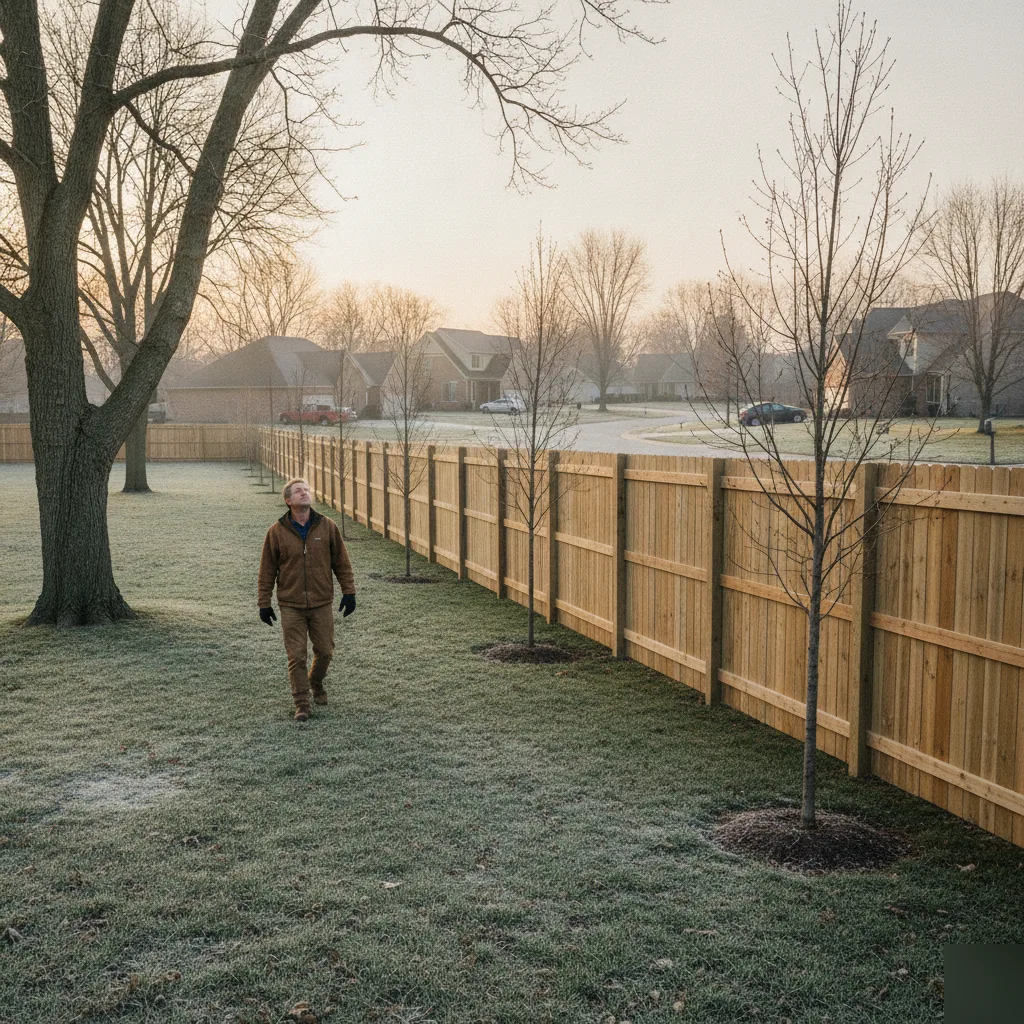
Most homeowners in Brownsburg, IN, get stuck on the calendar. They ask when the right time is to install a fence in Brownsburg, and they usually expect a single month as the answer. But the real question isn't about the season at all. It's about readiness. Any residential fence installation company will tell you they've seen homeowners wait for "perfect spring weather," only to find every good fence installer booked solid through June. Meanwhile, a neighbor who started the process in February already has posts in the ground by mid-March. Timing a fence install isn't about picking a date on a calendar. It's about lining up the things you can control so the weather just becomes a minor detail. We see this play out every year.
What Drives Your Timeline
Here’s what truly matters more than the forecast. Your property survey, your HOA approval, your permit status, and getting your materials ordered. Those four things determine your real start date for any project. The season just decides how comfortable the crew feels while digging. Consider a typical scenario near Arbuckle Acres Park or along the Green Street corridor. A homeowner decides in April they want a wood privacy fence before summer cookout season hits. They call around, find out most crews have a four to six-week backlog. Then they learn their subdivision requires an architectural review. That review often takes another two to three weeks to process. By the time everything finally lines up, it's already late June. Now, compare that to someone who starts the process in January. They get their survey done during a slower period. They submit HOA paperwork early. And materials get ordered before the spring lumber rush even begins. That fence can go up in early March; the ground is workable, and the team has plenty of open availability then.
The Brownsburg Factor
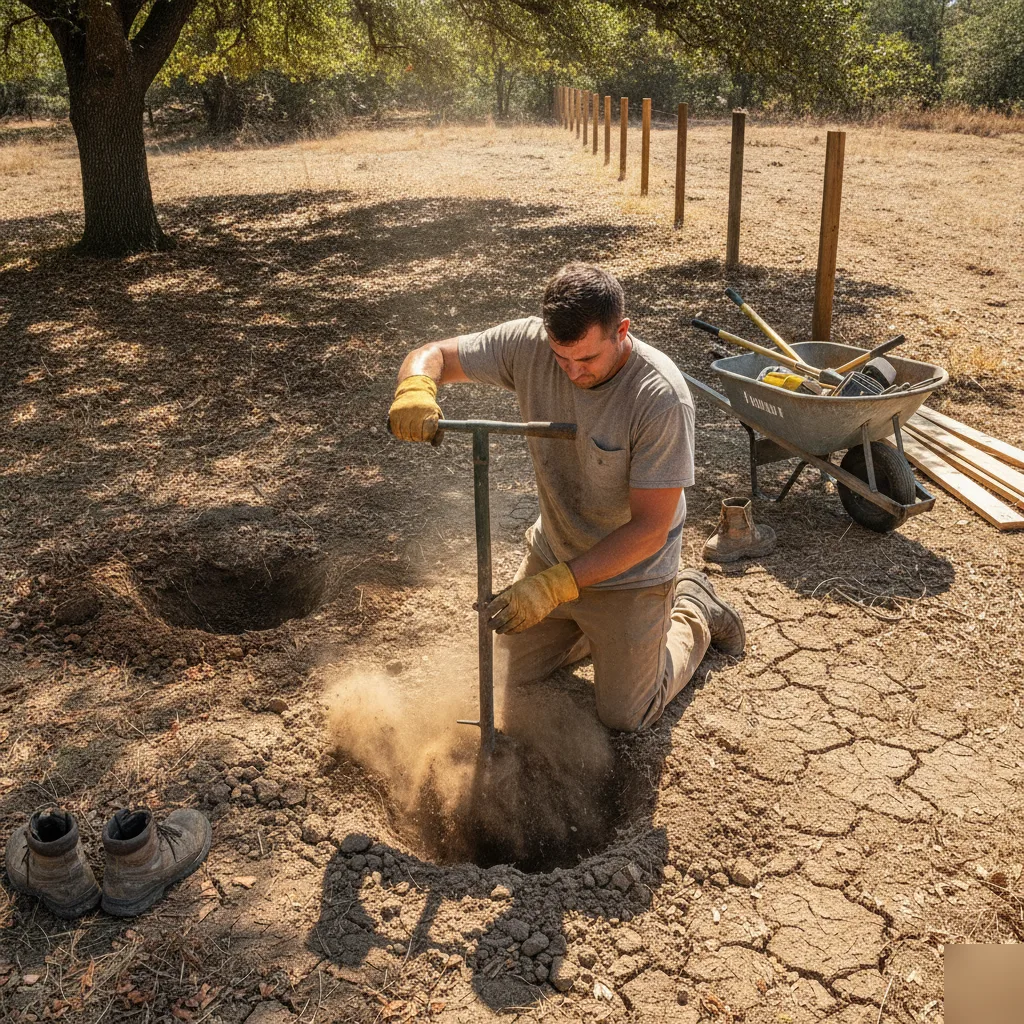
Hendricks County soil plays a role too. The clay-heavy ground around Brownsburg can be tough to dig when it’s bone dry in August. It’s also nearly impossible when frozen solid in deep January. But there’s a wide window where the ground cooperates just fine. Late February through November works for most fence installs around here, the team has set posts in every one of those months, what we’re doing. According to the U.S. Climate Data project, Brownsburg averages about 42 inches of rain per year. This rain is spread fairly evenly across seasons. That means muddy conditions aren't limited to just spring. A really rainy week in October can slow things down just as much as April showers. So, waiting for "the right time" often means waiting for conditions that don't exist. Every season has trade-offs, you know? * Spring brings big demand surges. You'll see longer wait times for materials and labor. * Summer heat can be hard on crews. But the long daylight hours do help projects move fast. * Fall offers cooler temperatures. Schedules are thinner then, it’s the most underrated window. * Winter works for fence installation more often than people think. Especially during those mild stretches we get. The real timing question is this: have you done the prep work that lets a crew show up and build? If your survey is current, your property lines are clear, your permits are pulled, and your materials are ordered, you are ready. The calendar becomes secondary, truly. Most people don't realize this until it’s too late. They lose two or three months to paperwork they could've handled while snow was still on the ground, that’s just how it goes. And that's the part that frustrates homeowners, not the weather itself but the feeling of being behind before the project even starts. If you're thinking about a fence install this year, the smartest move is starting the planning process now, regardless of the month. Get the logistics handled first. Then let the schedule fall into place around your actual readiness for residential contracting services.
How Ground Conditions Affect Fence Post Setting
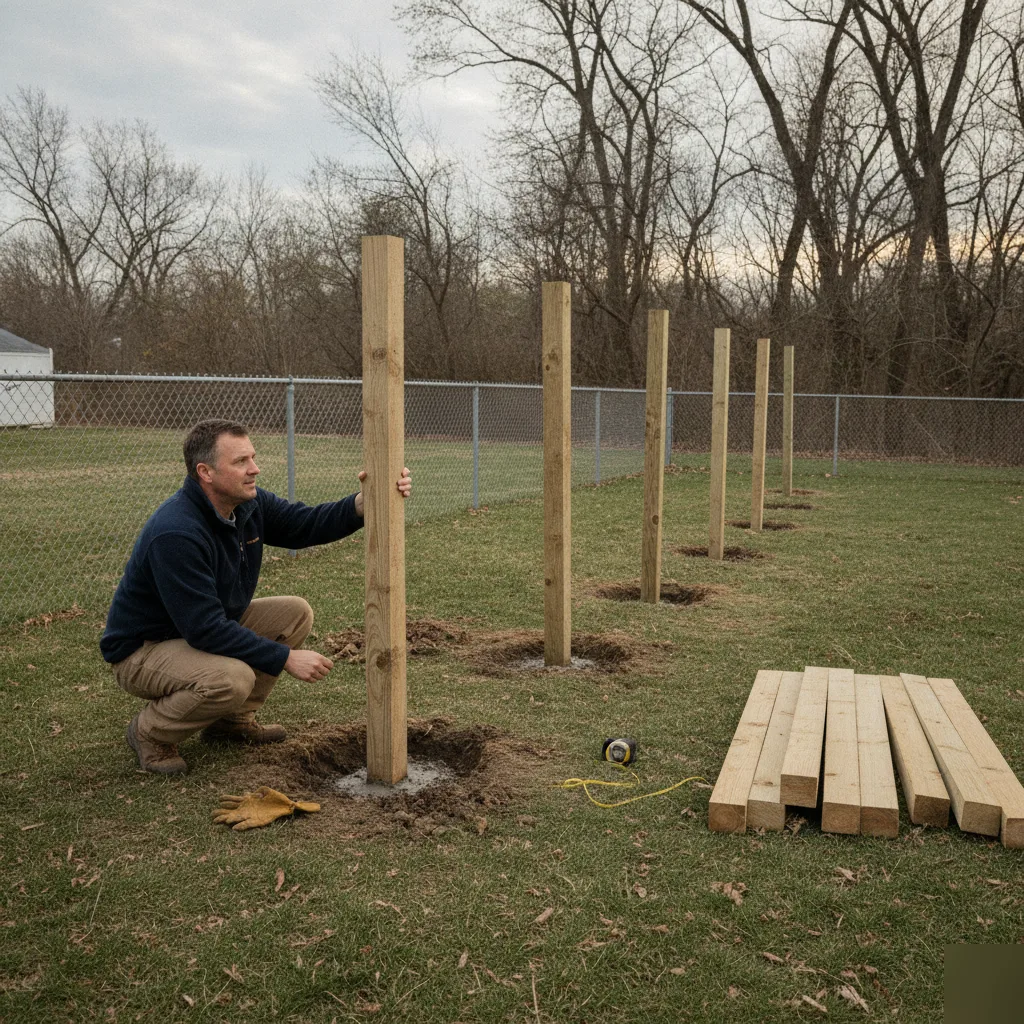
Brownsburg sits on Indiana clay. That single fact shapes every fence installation decision the team here makes. Clay soil expands when it’s wet. And it shrinks when it’s dry. Posts set during the wrong conditions can shift, lean, or even heave out of the ground within a year. Most people don't really think about what’s happening below the surface. But the ground under your fence posts matters more than the fence material itself, believe it or not. A beautiful cedar fence means nothing if the posts move six inches after a freeze-thaw cycle. The team has pulled posts out of Brownsburg yards that were set in waterlogged clay. We saw concrete footings cracked clean through because the soil expanded around them like a vise grip. It's a real problem.
What Happens in Saturated Soil
Indiana gets about 42 inches of rain per year, according to the Midwestern Regional Climate Center. Spring brings the heaviest saturation, of course. Digging post holes in March or early April often means hitting standing water at 18 inches down. That water sits around your concrete footing. It prevents a solid cure. The post might look fine for a few weeks, then it starts wobbling once the ground shifts. Here's what saturated soil causes during fence installation: * Post holes collapse while digging. This makes it hard to get clean edges. * Concrete doesn't bond properly. It needs dry clay walls. * Excess moisture creates air pockets. These weaken the footing. * Gravel drainage layers get overwhelmed. They can't do their job then. Waiting for the soil to dry out even two or three weeks can make a huge difference in how solid those posts set. It’s worth the short delay.
Frozen Ground Creates Different Problems
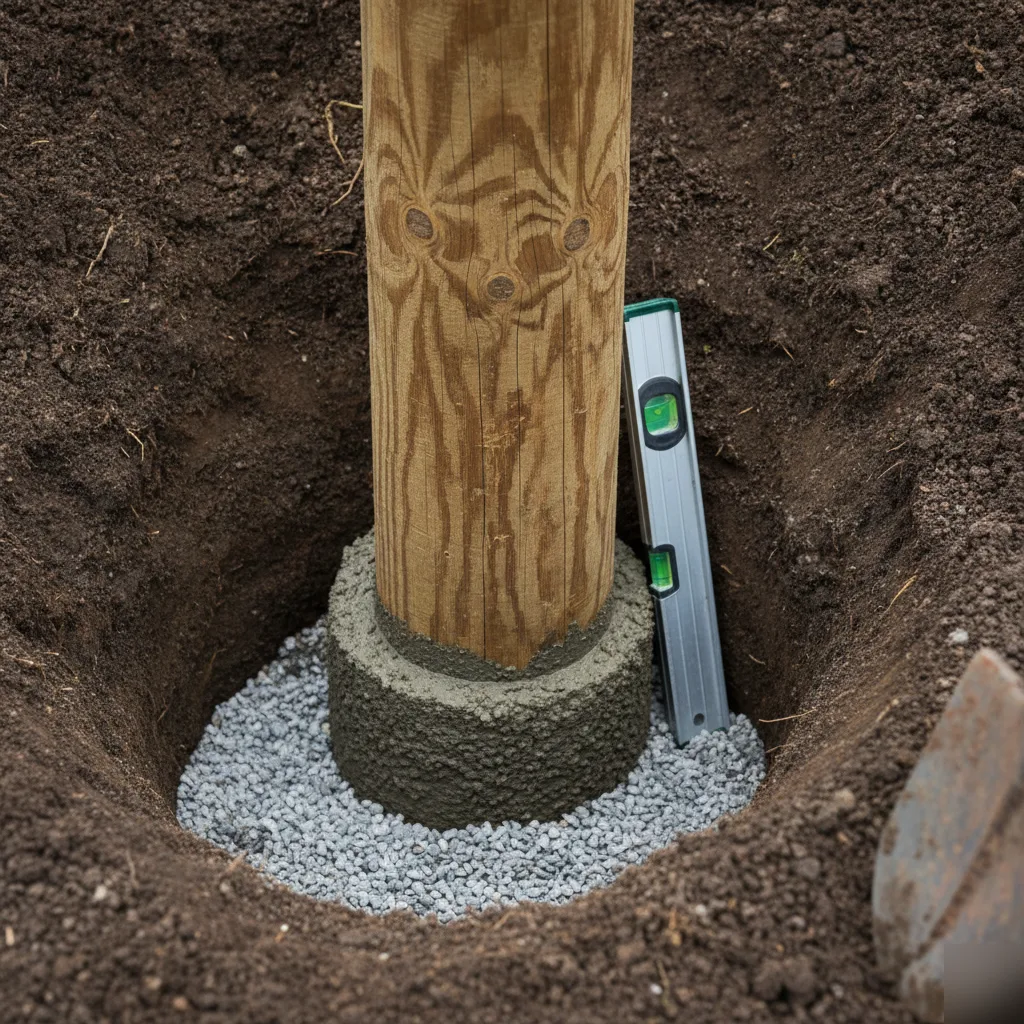
Brownsburg winters push frost lines down 30 to 36 inches in Hendricks County, and local builders follow the Indiana frost depth requirements to know how deep footings need to go. That matters because fence posts need to sit below the frost line to stay stable for the long haul. Digging through frozen ground isn't just difficult, it's unpredictable. You might hit a layer of frozen clay at 12 inches, then soft mud at 20, then frozen again at 28. The result is an uneven hole. It won't hold a post straight. And power augers struggle with frozen Indiana clay, let me tell you. The team has seen auger bits snap on ground that felt like concrete in January. Even if you muscle through it, the hole walls end up rough and irregular. Your footing just won't sit flush against the soil. The sweet spot for ground conditions in Brownsburg is late spring through mid-fall. The soil is firm enough to hold its shape when you dig. It’s dry enough for concrete to cure properly. And it’s warm enough that frost isn't a factor. Late September and October are some of the weeks for post setting around here. That's because the summer heat has baked the clay firm without drying it to the point of cracking.
A Quick Ground Test
There's a simple way to check if your soil is ready, you can do this yourself. Grab a handful from about 12 inches down. Give it a good squeeze. If water drips out, it's definitely too wet. If it crumbles to dust, it's too dry, and your hole walls will just collapse. You want it to hold its shape in your hand. But it should break apart with light pressure. That’s the consistency that truly grips a post footing. And it stays put for years. The team checks soil conditions at every Brownsburg property before starting any fence installation. It takes five minutes, and, this is the part most people overthink. It saves homeowners from problems that show up months later. If you're planning a fence project and want to know whether your yard is ready, reach out to the team for a straightforward assessment of your fence installation.
Spring vs. Fall: Weighing the Trade-Offs
Most homeowners in Brownsburg narrow it down to two seasons. Spring and fall both offer mild temperatures. They both have workable ground conditions. But they’re not the same, and picking between them depends on your priorities. Spring fence installation gives you a full summer of use. That matters if you've got kids, dogs, or a pool area that needs enclosing before June. The ground has thawed enough by mid-March in most years. And the team can dig post holes without fighting frozen clay. But here’s what catches people off guard.
The Spring Rush
Spring is the busiest season for fence installation across Hendricks County, it always is. Everyone wants their fence done before Memorial Day weekend. That means longer wait times for scheduling, sometimes three to five weeks out from the first call. The team sees this pattern repeat every single year, it's like clockwork. If you want a spring install, reaching out in late February puts you well ahead of the rush. Rain is the other factor. Indiana's spring rainfall averages around 4 inches per month, according to the Indiana State Climate Office. Wet soil makes post setting tricky. A post set in saturated ground won't hold concrete the same way. One heavy rain week can push a project back by days, or even longer sometimes.
Why Fall Works So Well