
Brownsburg, IN
First Step in a Basement Remodel
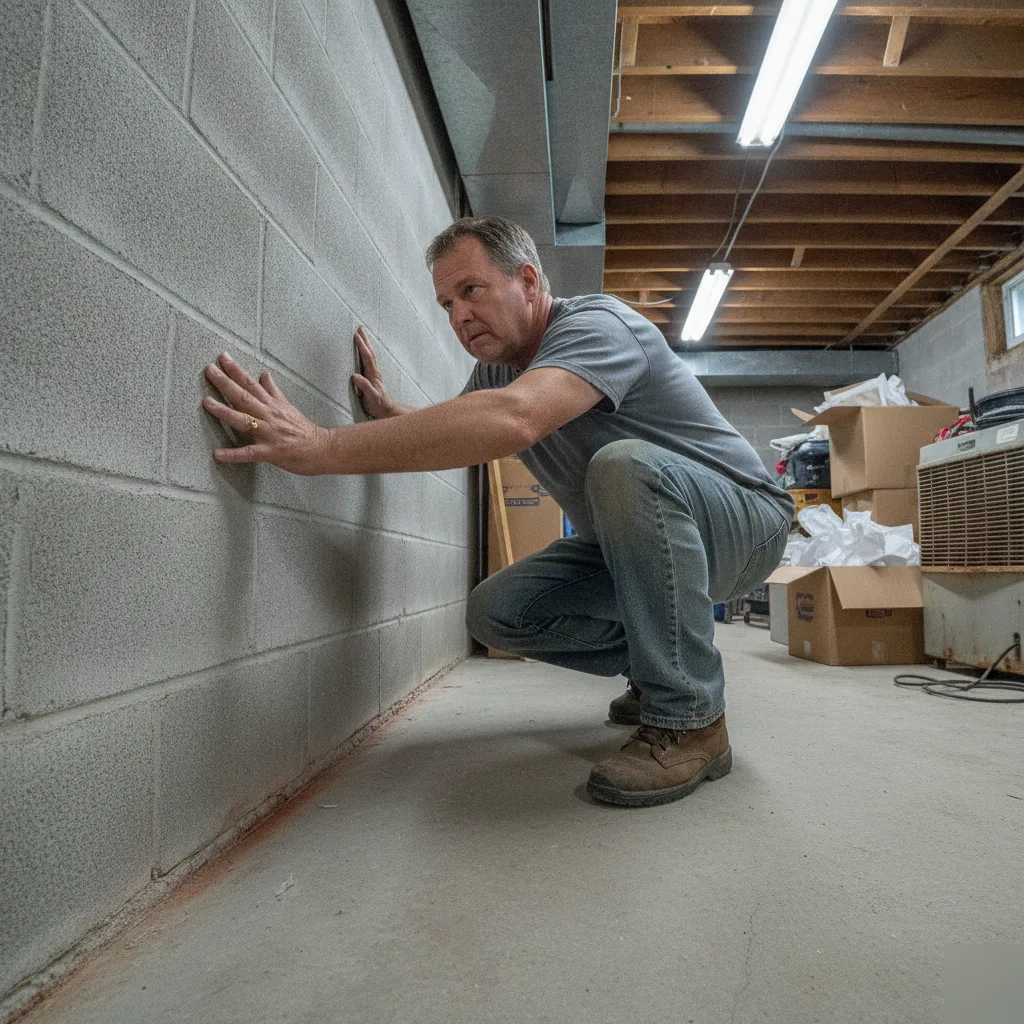
A Professional Assessment Is the True First Step
Most folks in Brownsburg, when they think about a basement remodel, usually start with the fun stuff. They're on Pinterest, picking out paint colors or dreaming up a new layout. That's a great vision. But, it skips the single most important part. A professional assessment of your current basement is really where any successful remodel truly begins.
We see this happen all the time. A homeowner gets really excited about adding a new family room or a home office downstairs. They pick up the phone, ready to talk flooring or drywall. But nobody has actually checked if the space is even ready to be finished. That's where things can go sideways, and fast.
What Happens During an Assessment
A proper basement assessment is more than just a quick look. It's a careful check of the structural core of your home. We look closely at the foundation walls for any cracks, bowing, or signs of settling. The floor slab gets examined for any heaving or dips. We take moisture readings from multiple spots along the walls and floor. Then, we evaluate your existing plumbing, electrical, and HVAC systems. Do they have enough capacity for what you're planning?
Here's what we're specifically looking for:
- Is there active water coming in, or signs of past flooding? We often find hidden spots near foundation cracks.
- Are those structural cracks, or just normal settling cracks? It makes a big difference.
- Does the ceiling height meet local code? This is a common hurdle in Brownsburg homes.
- Do you need egress windows for a new bedroom down there? That's a must.
- Are radon levels high enough to need mitigation before we seal everything up? We test for this in almost every Brownsburg basement.
Any one of these issues can completely change your entire basement remodel plan. Miss even one, and you could be tearing out new work six months down the road. It happens more often than people realize.
Why DIY Inspections Fall Short
You might think you can spot water damage on your own. Sometimes you can. But moisture doesn't always show up on the surface. Many Brownsburg homes sit on clay-heavy soil, something common throughout Hendricks County. That soil expands when wet. It pushes hard against foundation walls.
This pressure creates tiny cracks. Water vapor can seep through slowly. Not enough to see, usually. But enough to grow mold behind new drywall within a year. A moisture meter catches what your eyes simply can't. A thermal camera does the same. These aren't tools most homeowners keep in their garage, for good reason.
One situation we deal with constantly: a homeowner finishes half their basement. They never checked the rim joist area along the sill plate. That's a spot where cold air and moisture love to sneak into older homes. Six months later, they're battling condensation. And that lingering musty smell they can't figure out? It usually starts right there.
The Assessment Shapes Everything Else
Think of the professional assessment as the real blueprint for your project. And your timeline. It tells you exactly what prep work is needed before any finishing starts. Maybe you need waterproofing. Maybe your electrical panel can't handle the extra circuits you're adding. Perhaps the ceiling height means you need a specific, thinner flooring to meet code minimums.
All that information comes out during the assessment. Not after you've already bought materials. That's a common mistake.
And here's something else many folks don't realize until it's too late. Hendricks County requires permits for most basement finishing work. That covers electrical, plumbing, or any structural changes. The assessment helps us identify every permit you'll need before the project even kicks off. Skipping this part can lead to failed inspections, delays, and unexpected costs down the road. If you're thinking about a basement remodel in Brownsburg, talk to us about a professional assessment. Do it before you make any other decisions. It saves time. It saves money. It saves headaches. That's the honest truth.
Moisture and Water Intrusion Must Be Ruled Out Before Anything Else
Most people just don't get this until it's too late. You can frame new walls. You can install beautiful flooring. You can hang drywall in your basement. But if moisture is hiding behind all those finished surfaces, you'll be ripping it all out within a few years. That's a real waste of your hard-earned money and precious time. We see this exact problem repeat in Brownsburg homes far more often than you'd imagine.
Indiana's clay-heavy soil holds water like a giant sponge. After a good, heavy rain, that water presses hard against your foundation walls. It finds the tiny cracks. It seeps through the porous concrete. And it usually doesn't announce itself with a big flood. Sometimes, it's just a faint musty smell you barely notice. Or maybe a damp patch on the wall that dries before you spot it.
What to Look for Before You Start a Basement Remodel
Before any design work or demolition even begins, your basement absolutely needs a thorough moisture check. Here's what we look for during an initial walkthrough:
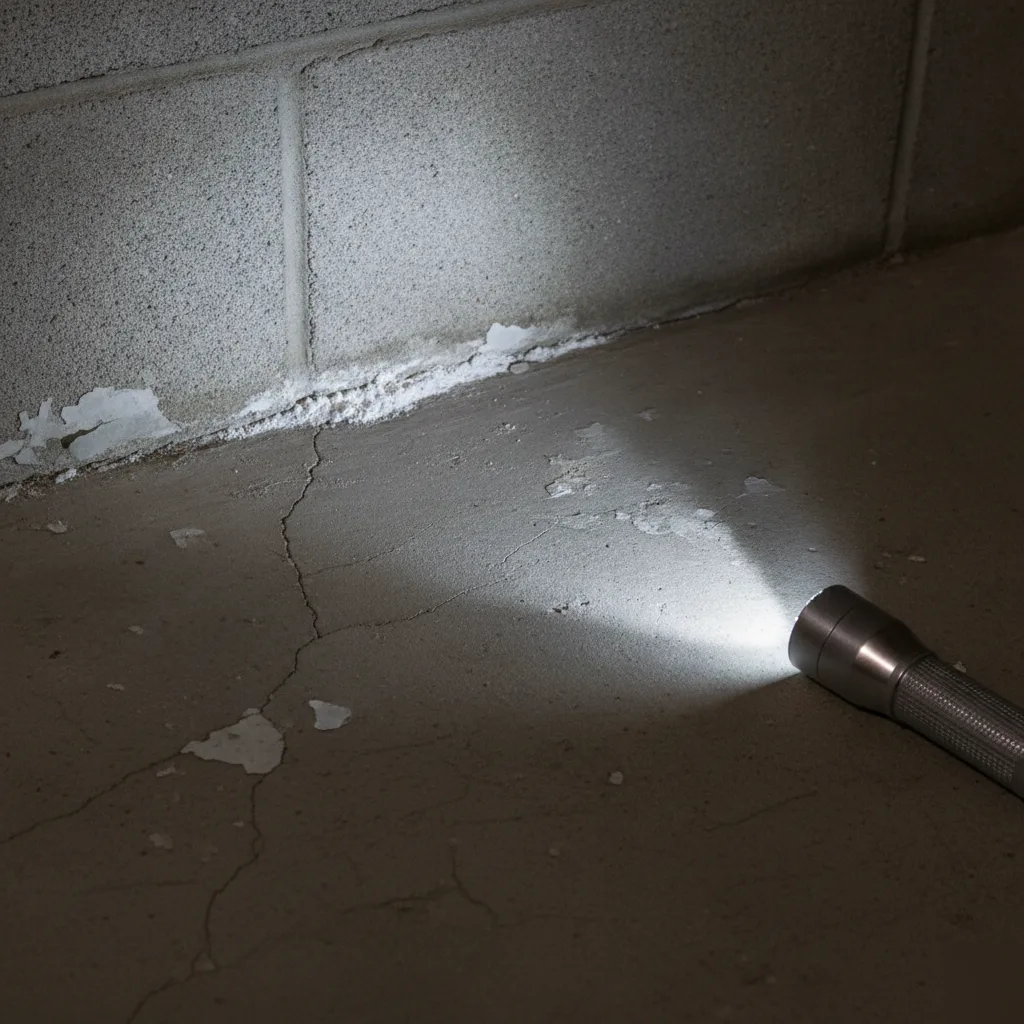
- White, chalky residue on concrete walls, what we call efflorescence. That's a clear sign water has been moving through your foundation.
- Visible cracks in the floor slab, or along the joints where the wall meets the floor. Water loves these entry points.
- Soft spots, staining, or bubbling on any existing paint or surface coatings. Those are telltale signs of moisture damage.
- A distinct musty or earthy smell. It often lingers even when the space looks dry.
- Condensation forming on cold water pipes or along window wells. This shows a humidity issue, at minimum.
Any one of these things is a red flag. Find two or more together? That means you have an active moisture problem. It needs solving first, no question.
Why Brownsburg Basements Need Extra Attention
Homes built in the 1980s and 1990s around Brownsburg often sit on lots with grading issues. Those issues only get worse over time. Soil settles. Downspouts detach or get clogged. Flower beds get built up right against the foundation. All of this directs water straight toward your basement walls. It should be moving away.
A simple moisture test can tell you a lot. Just tape a plastic sheet to the wall for 24 to 48 hours. If condensation forms on the wall side of the plastic, moisture is coming through the concrete itself. That's a foundation problem. If it forms on the room side, you're dealing with humidity, which is a different fix entirely.
We've walked into basements where a homeowner already bought all their materials. They were ready to start framing, so excited. One look at the foundation told a completely different story. Hairline cracks along the footer joint, water stains behind the furnace, gutters dumping directly next to the house. Fixing those issues first saved that homeowner from a serious mold problem down the road. We see it a lot, especially in older Brownsburg neighborhoods.
According to the Environmental Protection Agency, mold can start growing on damp surfaces within just 24 to 48 hours. That's why a mold inspection before remodeling isn't just a good idea — skipping this step is the single fastest way to completely ruin a new basement remodel. It simply won't last.
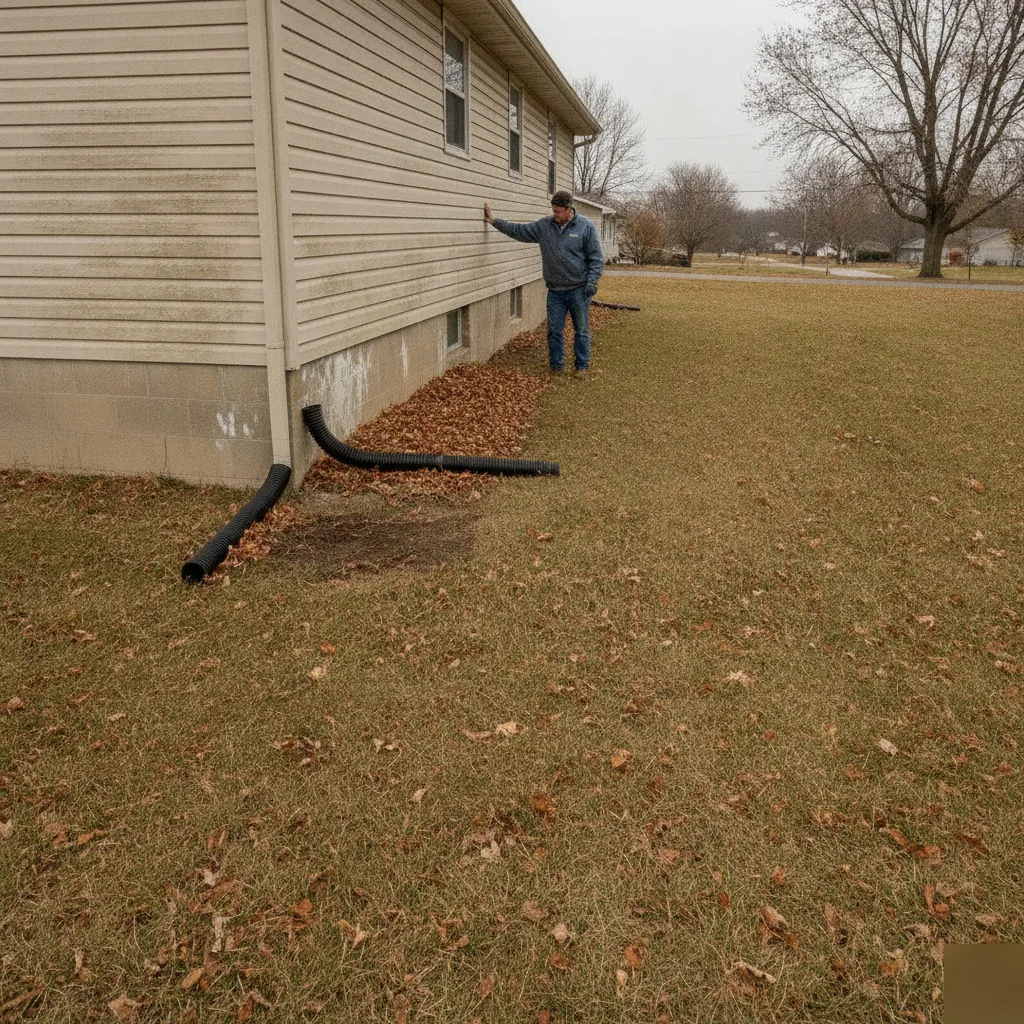
So, what does actually fixing moisture involve? Sometimes, it's as simple as regrading the soil around your foundation. Or extending those downspouts further away from the house. Other times, it means installing interior drainage systems. Or applying waterproof coatings on the walls. The right solution always depends on where the water is coming from. And how much of it you're dealing with.
Get this part right. Everything that follows in your basement remodel then sits on solid ground. Skip it, and you're building on borrowed time.
Radon Testing Is a Critical Check Brownsburg Homeowners Often Skip
Most folks get excited about picking out paint colors. And all those flooring samples. That's the fun stuff, for sure. But the very first step in a basement remodel should always include testing for radon. And, it's the step Brownsburg homeowners skip more than any other.
Radon is a colorless, odorless gas. You can't smell it. You can't see it. It seeps up through the soil and into your home through tiny cracks in the foundation. It's bad news, and it causes lung cancer. The EPA actually estimates radon is responsible for roughly 21,000 lung cancer deaths every year across the United States. That's a real number.
Why Brownsburg Basements Need Special Attention
Indiana sits squarely in EPA Zone 1 for radon risk. That means the average indoor radon level is often above 4 pCi/L. That's the action threshold set by the EPA. Homes throughout Hendricks County, including many right here in Brownsburg, consistently test at levels that need mitigation. We see this regularly during pre-remodel inspections. A homeowner near Arbuckle Acres might just assume their basement is fine. It looks dry, it looks clean. Then the test kit comes back. Suddenly, they're looking at 6 or 8 pCi/L. That's a serious level.
This matters a lot. Especially when you're about to turn that space into a bedroom for your kids. Or a family room where everyone spends hours. A basement you visit just for laundry once a day? That's totally different. Finishing the space without addressing radon means you trap that gas inside. You're adding better-sealed walls and floors. You actually make the problem much worse.
What Testing Looks Like Before a Remodel
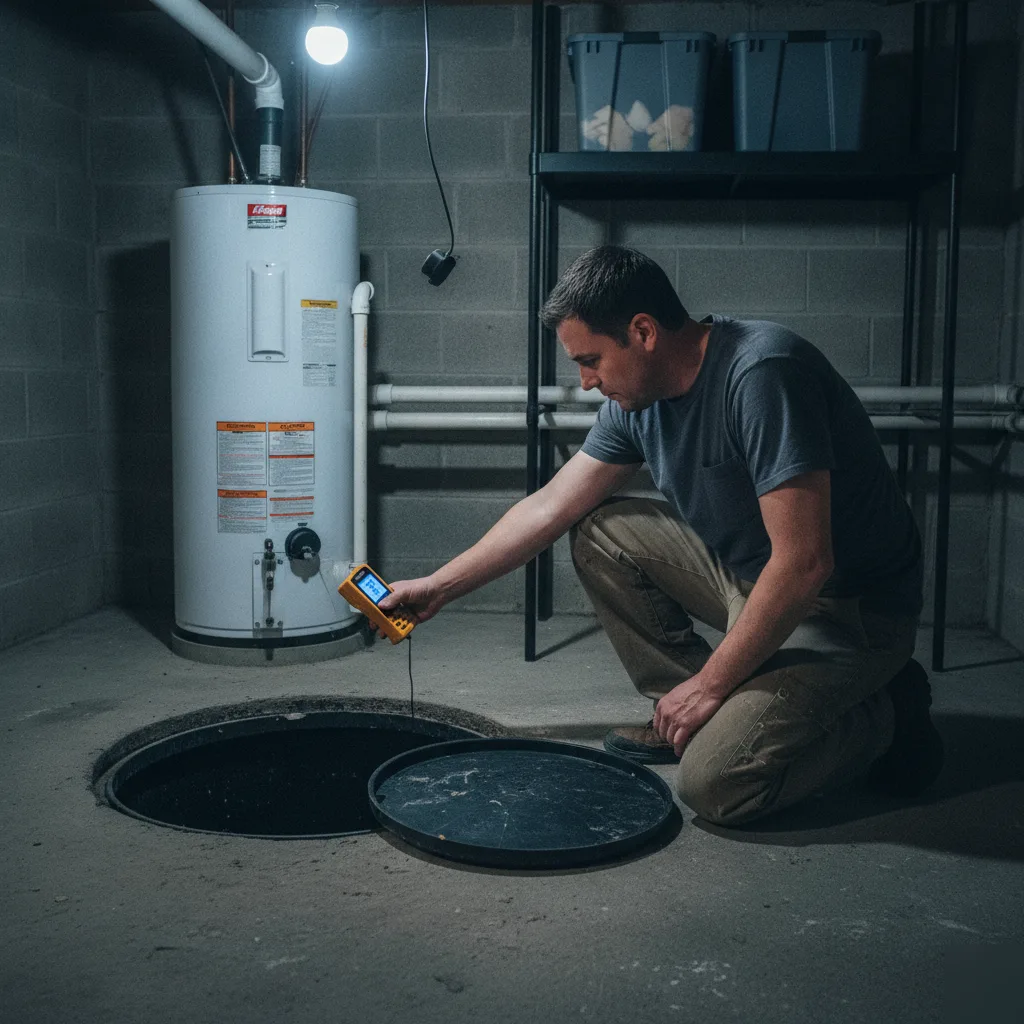
Testing for radon is simple. It's inexpensive, too. Here's what the process generally involves:
- Place a short-term radon test kit in the lowest livable area of your basement. Leave it there for 48 to 96 hours.
- Keep windows and exterior doors closed as much as you can during that test period. This ensures an accurate reading.
- Send the kit to a lab. Or, if you used a digital monitor, just read the results yourself.
- If the levels hit 4 pCi/L or higher, plan for a mitigation system. This needs to happen before any finish work starts.
- Retest after mitigation. You need to confirm the system is working properly.
A mitigation system usually includes a vent pipe and a fan. It pulls radon from beneath your slab. Then it pushes it safely outside. This is much easier to install before any drywall goes up, believe me. We've seen homeowners skip this step. They finish the whole basement. Then they discover high radon levels a year later. Now, they're tearing into brand-new walls to run pipe. That's money and time completely wasted, all because of one skipped test.
Don't Assume Your Neighbor's Results Apply to You
Radon levels change from house to house. Your neighbor across the street in Brownsburg could test at 2 pCi/L. Your home could read 7. Soil composition plays a part. Your foundation type, too. Even how your HVAC system moves air affects the number. One test in one home tells you nothing about the house right next door. You have to test your own place.
And here's something else most people don't realize until it's too late. If you decide to sell your home down the road, the buyer's inspector will test for radon. A finished basement with no mitigation system, and high readings, immediately becomes a negotiation problem. Getting it right before the remodel protects your family now. It also protects your investment later. It just makes good sense.
If you're thinking about finishing your basement in Brownsburg, radon testing is that quiet, critical first step. It keeps everything else on track. We treat it as non-negotiable on every basement remodel project we do.
Frequently Asked Questions
Do I really need a professional assessment before starting a basement remodel in Brownsburg?
Yes, a professional assessment is the true first step before any basement remodel begins. Brownsburg homes sit on clay-heavy soil common throughout Hendricks County. That soil expands when wet and pushes against foundation walls. A professional uses moisture meters and thermal cameras to catch hidden problems your eyes simply can't see. Skipping this step often means tearing out finished work later. That costs far more than the assessment itself.
What is the difference between a structural crack and a normal settling crack in a basement?
A normal settling crack is usually thin, shallow, and stable over time. A structural crack is wider, runs diagonally, or shows signs of movement or bowing. Structural cracks can let water in and may signal a bigger foundation problem. During an assessment, a pro measures and documents cracks to tell the difference. Getting this right early shapes your entire remodel plan and helps you avoid costly surprises later.
Does Brownsburg require permits for basement finishing work?
Yes, Hendricks County requires permits for most basement finishing work, including electrical, plumbing, and structural changes. Skipping permits can lead to failed inspections and costly delays. A professional assessment done early helps identify every permit your project will need before work starts. You can learn more about how this fits into the full process on our basement remodeling in Brownsburg page.
What are the signs of a moisture problem I should look for before finishing my basement?
The most common signs are white chalky residue on walls, a musty smell, soft spots in existing paint, and condensation on pipes or window wells. Indiana's heavy rainfall means water pressure on Brownsburg foundations is a real concern year-round. Finding two or more of these signs together means you likely have an active moisture problem. That needs to be solved before any framing, flooring, or drywall work begins.
Can I skip the assessment if my basement looks dry and clean?
No — a dry-looking basement can still have hidden moisture moving through porous concrete or tiny cracks. Moisture vapor doesn't always leave visible stains. It can grow mold behind new drywall within a year without ever showing itself first. Many Brownsburg homeowners finish a basement that looks fine, only to deal with a musty smell months later. A moisture meter and thermal camera catch what your eyes miss every time.
Does ceiling height affect my basement remodel plans in Brownsburg?
Yes, ceiling height is a common hurdle in Brownsburg homes and must be checked during the assessment. Local code sets minimum height requirements for finished living space. If your ceiling is too low, you may need a thinner flooring system to meet those minimums. This detail also affects whether you can add a legal bedroom, which requires specific egress window sizing. Knowing this early keeps your project on track and code-compliant from day one.