
Brownsburg, IN
What is the Most Affordable Way to Remodel a Kitchen in Brownsburg?
What Really Drives Kitchen Remodel Costs
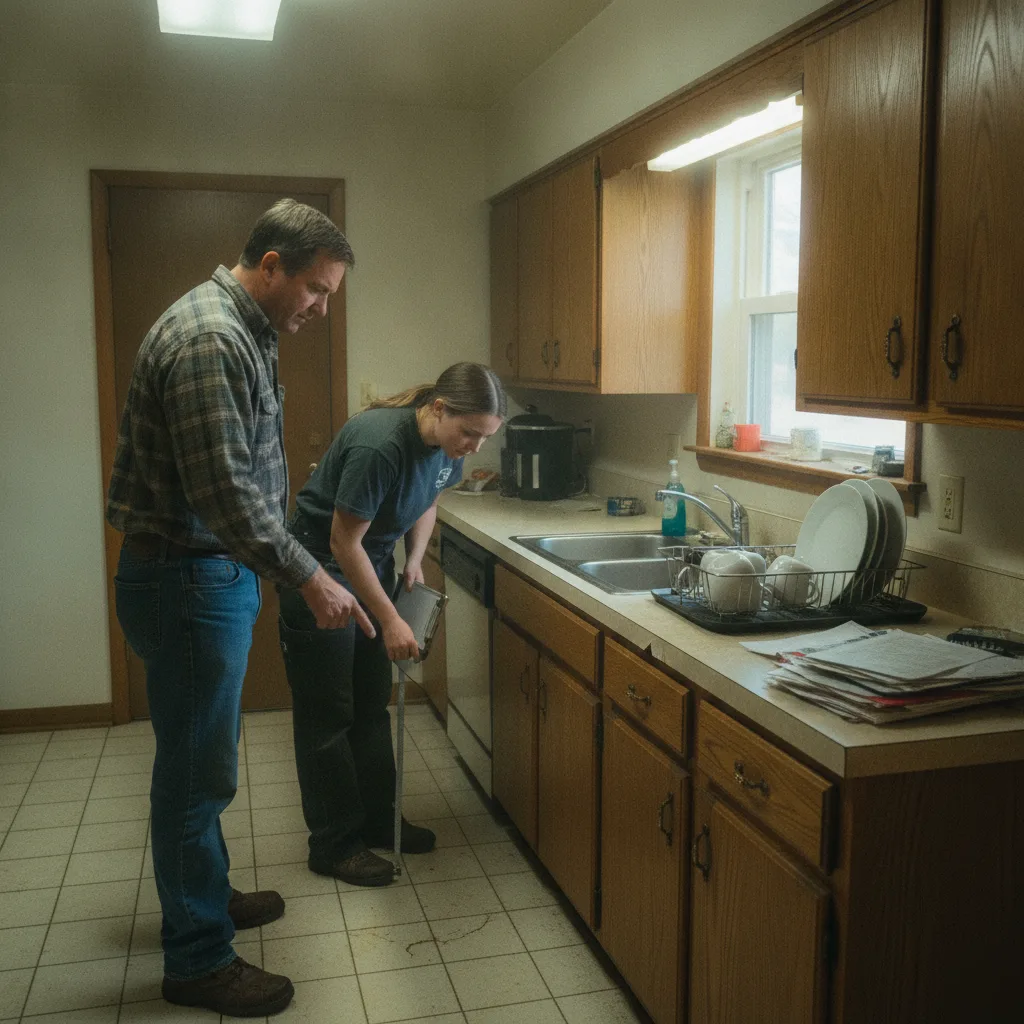
Many homeowners in Brownsburg worry about kitchen remodel costs. They often think cabinets eat up the biggest chunk. That's only part of it, though. The real money drivers hide in spots you would not expect until we're deep into the work.
Layout changes push expenses way up. Moving a sink even a few feet to the left seems easy. But that means rerouting plumbing, maybe adjusting the main drain line, and patching the subfloor where the old pipes were. In any Brownsburg kitchen renovation, the team sees this often, especially in homes built in the 1990s and early 2000s. These older kitchen layouts often feel small by modern standards. Keeping your existing kitchen layout is the quickest way to keep your costs down, for sure.
The Hidden Cost Triggers
Here's what makes a kitchen remodel cost more than you planned:
- Plumbing and electrical relocation. Moving gas lines, adding circuits for new appliances, or shifting water supply lines quickly adds labor hours.
- Structural changes. Taking out a wall to open up a kitchen often needs a load-bearing header. That means engineering work and permits.
- Subfloor and water damage. We find rotted subfloor once old cabinets come out in some older Brownsburg homes. That needs fixing before anything new goes in.
- Permit requirements. Hendricks County requires permits for electrical and plumbing work. Skipping them causes big problems at resale, trust us.
Labor accounts for roughly 35 to 40 percent of a typical kitchen remodel, according to the National Association of Home Builders. That number climbs the more you change your floor plan. And that's a cost most homeowners don't see coming.
Then there's material choice. A stock cabinet and a semi-custom cabinet can look pretty similar in the showroom. The difference shows up on the invoice, though. Same deal with countertops. Laminate and butcher block cost a fraction of quartz. They hold up well for years., most people can't tell the difference from across the room anyway.
What Doesn't Cost as Much as You Think
Some updates feel expensive but aren't. Painting existing cabinets saves thousands over replacing them. Swapping out hardware gives your kitchen a whole new look. That's less than a hundred dollars for materials. New lighting fixtures can change the entire mood of the space.
The team has worked on kitchens near Arbuckle Commons and all over Brownsburg. We've used smart surface-level updates to get dramatic results. One homeowner kept the original cabinet boxes. They only replaced the doors, added a new countertop, and updated the backsplash. Their kitchen looked brand new. The project stayed manageable. It was a real win.
So, what truly drives cost? It's the scope of work. Not square footage. Not the brand of faucet you pick. It's how much you change the core structure of your kitchen.
A cosmetic refresh that keeps plumbing and electrical in place is a different animal from a gut renovation. Many homeowners don't grasp this until they're deep into planning. Understanding the difference before you start is the most important step for an affordable kitchen remodel. If you're looking at your options, talk to the team about your kitchen remodel before you make any decisions you can't undo.
Keep the Existing Footprint to Save the Most Money
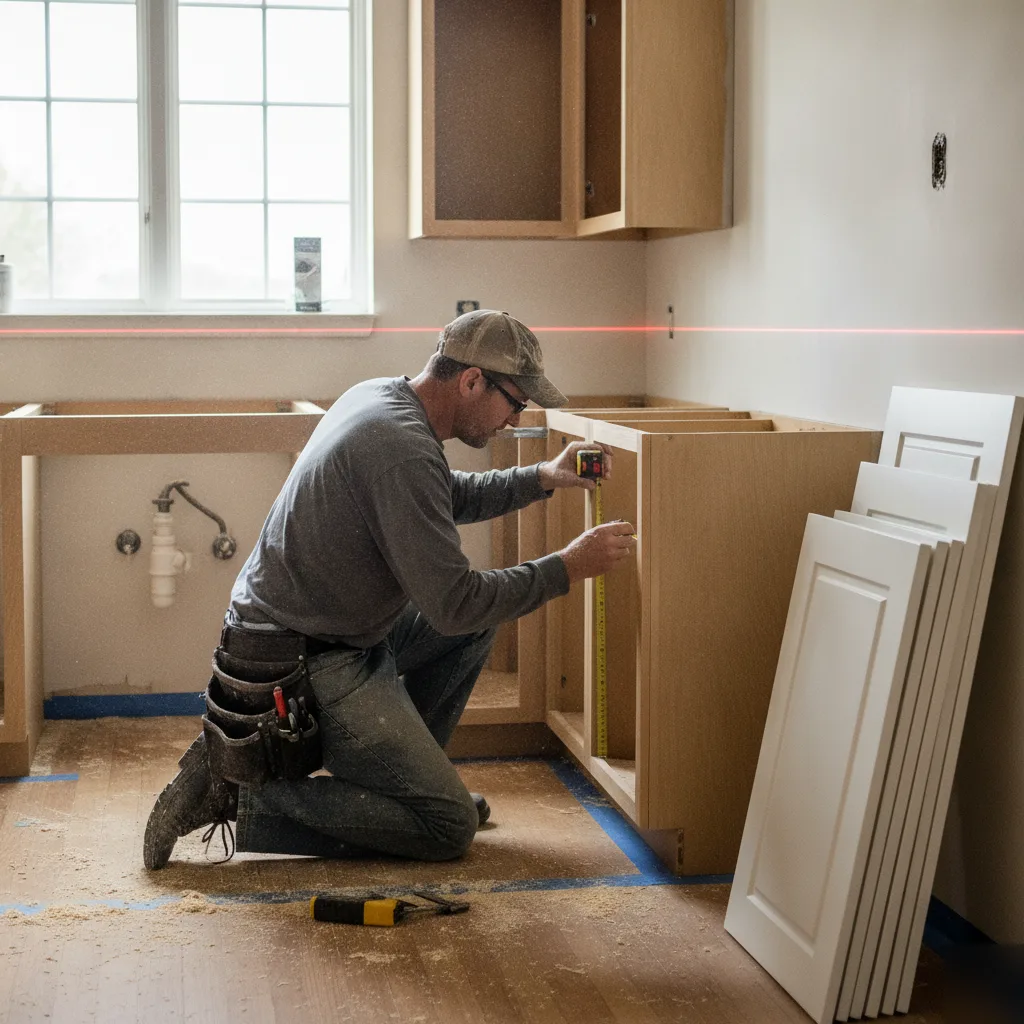
Moving plumbing, gas lines, or electrical runs is where kitchen remodel budgets really fall apart. The team sees this happen constantly in Brownsburg homes. A homeowner starts with a modest plan. Then they decide to shift the sink to an island. Or they move the stove across the room. That one change can add thousands to the project, even before a single cabinet goes in.
Keeping everything where it already sits is the smartest way to save money on a kitchen remodel. Your sink stays put. Your stove stays put. Your fridge doesn't move.
Plumbing and electrical rough-in work can account for a large portion of total remodel costs, according to the National Association of Home Builders. When you skip that step entirely, you free up funds for the things you see every day. Things like nice finishes.
What "Keeping the Footprint" Really Means
It does not mean your kitchen looks the same when we finish. Not at all. It means the core structure stays. Everything visible gets refreshed. Think of it this way:
- New cabinet doors or refaced cabinets on the existing boxes.
- Updated countertops installed right on your current layout.
- A new faucet and sink basin, dropped into the very same spot.
- Fresh flooring, paint, and lighting fixtures throughout.
- New hardware on drawers and doors for an instant visual lift.
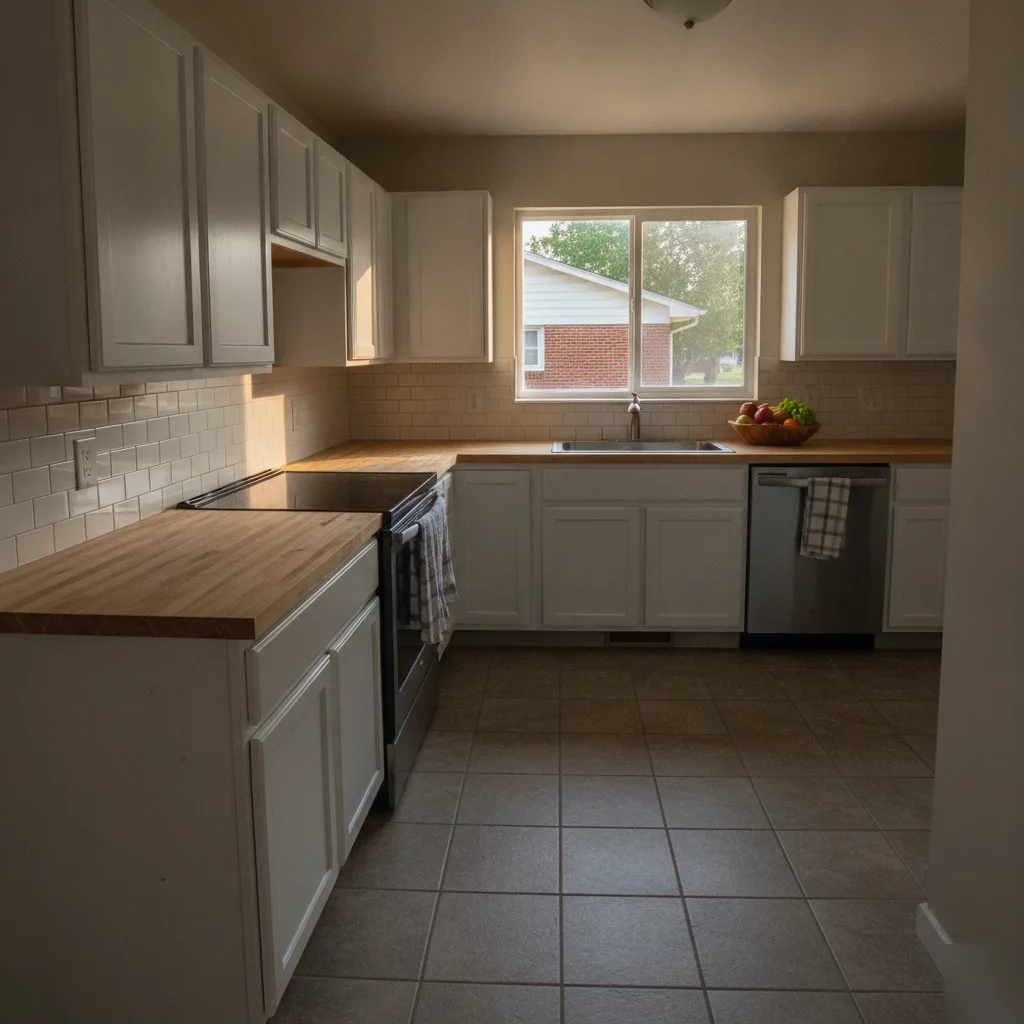
A Brownsburg homeowner near Cardinal Elementary did just this last year. Their kitchen felt stuck in the early 2000s. Dated oak cabinets, old laminate counters, a builder-grade faucet. But the layout worked fine for how they cooked and used the space. So the team painted the existing cabinet boxes. We installed new shaker-style doors. Then we put in a quartz countertop on the same L-shape, and added under-cabinet lighting. The kitchen looked completely different. The project moved fast because no permits were needed for structural or plumbing changes. It was a smooth job.
Why Layout Changes Cost So Much
Most homeowners don't realize what's behind their kitchen walls. In many Brownsburg homes, especially those built in the 1990s and 2000s, the kitchen plumbing ties directly into a main stack. That stack runs vertically through the house. Moving a drain line even six feet can mean cutting into the subfloor and rerouting below. That's a big job, not something for a weekend.
Gas line relocation always needs a licensed plumber. Then comes an inspection from the local authority. Running electrical circuits for a new range hood or cooktop in a different spot? That means new wire through finished walls. Each of these trades adds labor days. And permit fees too.
But when you keep the footprint? The timeline shrinks. The number of trades drops. And your kitchen remodel stays within a price range that makes sense for your home's value.
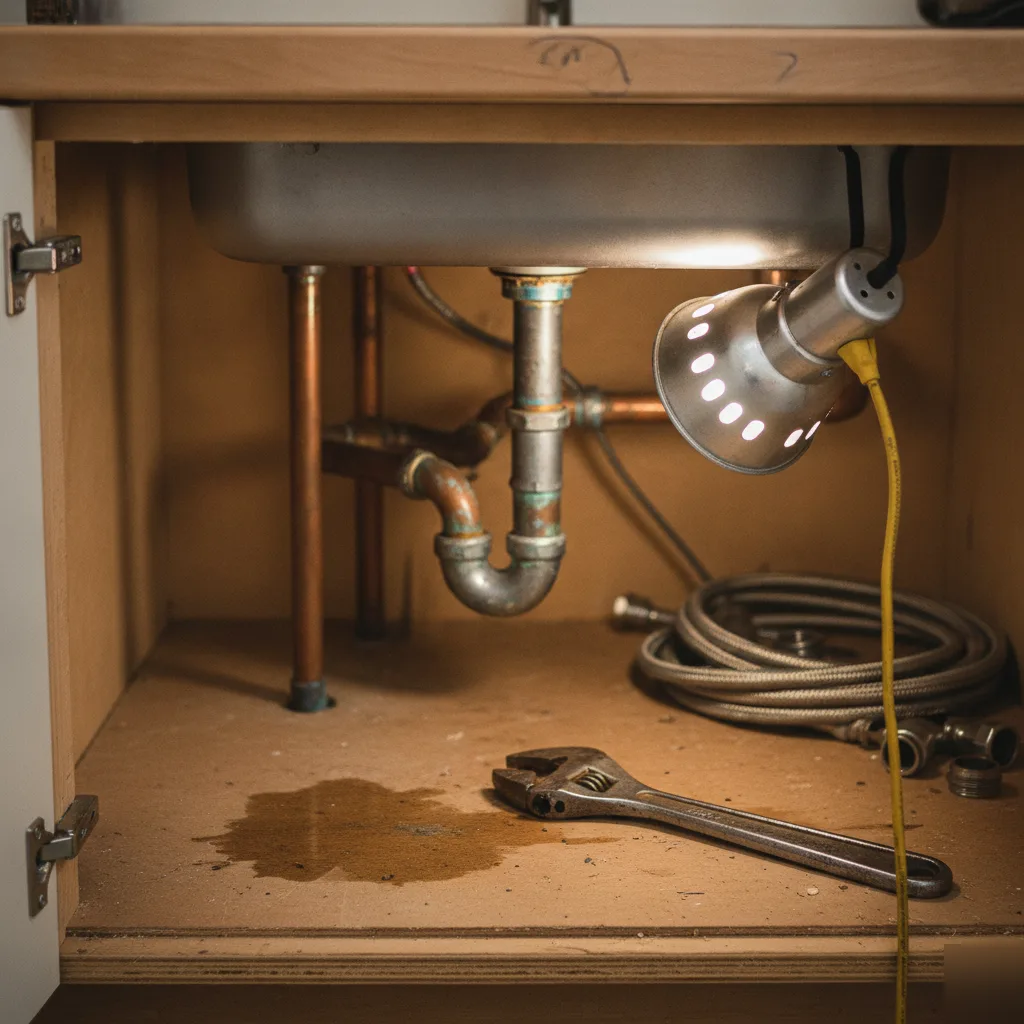
One practical thing the team always checks early: the condition of the existing plumbing connections. If the shutoff valves under your sink are the original brass from a 1990s build, they should get replaced during the remodel. No question. It's a small cost now. But it prevents a big leak later. That's the kind of detail that separates a remodel done right from one that causes problems in two years.
If you're thinking about a kitchen remodel in Brownsburg. And you want to know what's possible without tearing everything out. Reach out to the team for a free estimate. Keeping your existing layout is the biggest money-saving decision you can make.
Renovation Tiers: What Different Price Points Buy
Most homeowners in Brownsburg have a number in their head. They know what they want to spend before they even call a contractor. But that number usually doesn't match what they want done. So here's what different remodel levels really get you in a kitchen, without naming exact dollar figures.
The Refresh Level
This is the lightest touch. You're keeping your existing kitchen layout. Same footprint, same plumbing spots, same electrical. The work focuses on the surfaces. New cabinet doors. Or a quality paint job on existing cabinet boxes. Fresh countertops in a mid-grade material. Updated hardware. Maybe a new faucet and sink. That's it.
At this level, you can make a kitchen look completely different. But you're not moving anything. The team sees this a lot in Brownsburg homes. Especially those built in the early 2000s around the Green Street and Hornaday Road corridors. Those kitchens were built solid. They just look dated now. A surface-level refresh fixes that right up.
The Mid-Range Remodel
This is where most Brownsburg homeowners land. You're replacing cabinets entirely. New countertops in a more durable material go in. Updated lighting, a proper backsplash, new flooring throughout your kitchen. You might swap out appliances too.
The layout usually stays the same at this level. That's the key detail people miss. Moving a sink or relocating a gas line jumps you into a different category fast. Plumbing and electrical changes account for a large share of mid-range remodel overruns, according to the National Association of Home Builders. Keeping your sink and stove where they are saves you real money.
And this is the tier where material choices matter most. The gap between a laminate countertop and a natural stone surface isn't just about how it looks. It affects how your whole kitchen feels for years to come. That's important for the value of your home.
The Full Renovation
This means walls might move. The layout changes completely. Plumbing gets rerouted. Electrical panels get upgraded. You're basically building a brand new kitchen inside your existing home.
Full renovations require permits in Brownsburg. You'll work through the Hendricks County building department. That's a good thing, by the way. Permits protect you. But they add time and cost that homeowners don't always plan for upfront. Homeowners weighing loan options or grants for a bigger project can review this guide on financing your home renovation from HUD before committing to a full renovation.
At this level, you're also dealing with surprises behind walls. Older homes near Arbuckle Acres sometimes have outdated wiring. Or hidden water damage. Things that only show up during demolition. A good contractor always builds contingency into the plan for exactly this reason.
How to Pick Your Tier
The honest answer? Start with your layout. If you like where everything sits, a refresh or mid-range remodel will serve you well. If you hate the flow of your kitchen, you're looking at a full renovation. Whether you planned on it or not, that's where you'll be.
Here's what the team recommends thinking through before you commit:
- Does your current layout work for how you cook and move around?
- Are your cabinets structurally sound, or are they just ugly?
- Do you need new plumbing or electrical, or just new fixtures on existing lines?
- How long do you plan to stay in your home?
That last question changes everything. A five-year plan needs different decisions than a forever home. But no matter which tier fits, the most wallet-friendly path is always the one where the scope stays clear from day one. Scope creep is the real killer, not material costs. It always is. If you're trying to figure out which level makes sense for your kitchen, talk to the Terry Brodnik Group about your remodel before you start picking out tile.
Frequently Asked Questions
Can I remodel my kitchen myself to save money?
You can handle some tasks yourself, like painting cabinets or installing new hardware. But plumbing, gas lines, and electrical work should go to a licensed pro. Hendricks County requires permits for these jobs, and mistakes can cause water damage or safety issues. DIY works best for cosmetic updates like paint, hardware, and lighting. Anything touching your walls, pipes, or wiring needs an expert. This keeps your remodel safe and avoids costly repairs later.
What's the biggest misconception about affordable kitchen remodels?
Most people think cabinets are the main cost, but layout changes actually drive prices up the most. Moving a sink or stove even a few feet can mean rerouting plumbing and cutting into your subfloor. That adds labor hours fast. Keeping your existing kitchen layout while updating finishes is the real secret to an affordable remodel. If you want to see how this works for your space, our kitchen remodeling page walks through the process step by step.
How do older Brownsburg homes affect kitchen remodel costs?
Homes built in Brownsburg during the 1990s and early 2000s often have kitchen plumbing tied directly into a main stack that runs through the house. This makes moving sinks or drain lines more expensive than in newer construction. These older layouts can also feel small by today's standards, tempting homeowners to expand. Sticking with the original footprint in these homes is usually the fastest way to keep your project affordable and avoid subfloor surprises.
Do I need a permit for a kitchen remodel in Brownsburg?
Yes, Hendricks County requires permits for electrical and plumbing work during a kitchen remodel. Skipping this step can cause problems later, especially if you sell your home. Cosmetic updates like painting cabinets or swapping hardware usually don't need permits. But moving gas lines, adding circuits, or shifting water supply lines does. Checking permit rules early saves you time and keeps your project on track from the start.
What kitchen updates give the best value without major changes?
Painting existing cabinets, updating hardware, and adding new lighting give you the biggest visual change for the least disruption. These updates skip the need for plumbing or electrical work entirely. A new countertop on your current layout also makes a big difference. Many Brownsburg homeowners combine these updates for a kitchen that looks brand new. This approach keeps your project simple and your timeline short.
How do I know if my kitchen needs a full renovation or just a refresh?
If your layout still works for how you cook and move around, you likely only need a refresh. Problems like a broken layout, poor storage, or outdated wiring point toward a bigger renovation. Cosmetic wear like dated cabinets or old countertops doesn't always mean you need to gut the space. A quick walkthrough can help you figure out which path fits your home and goals before you commit to a plan.