
Brownsburg, IN
What to Renovate First in an Older Brownsburg Home
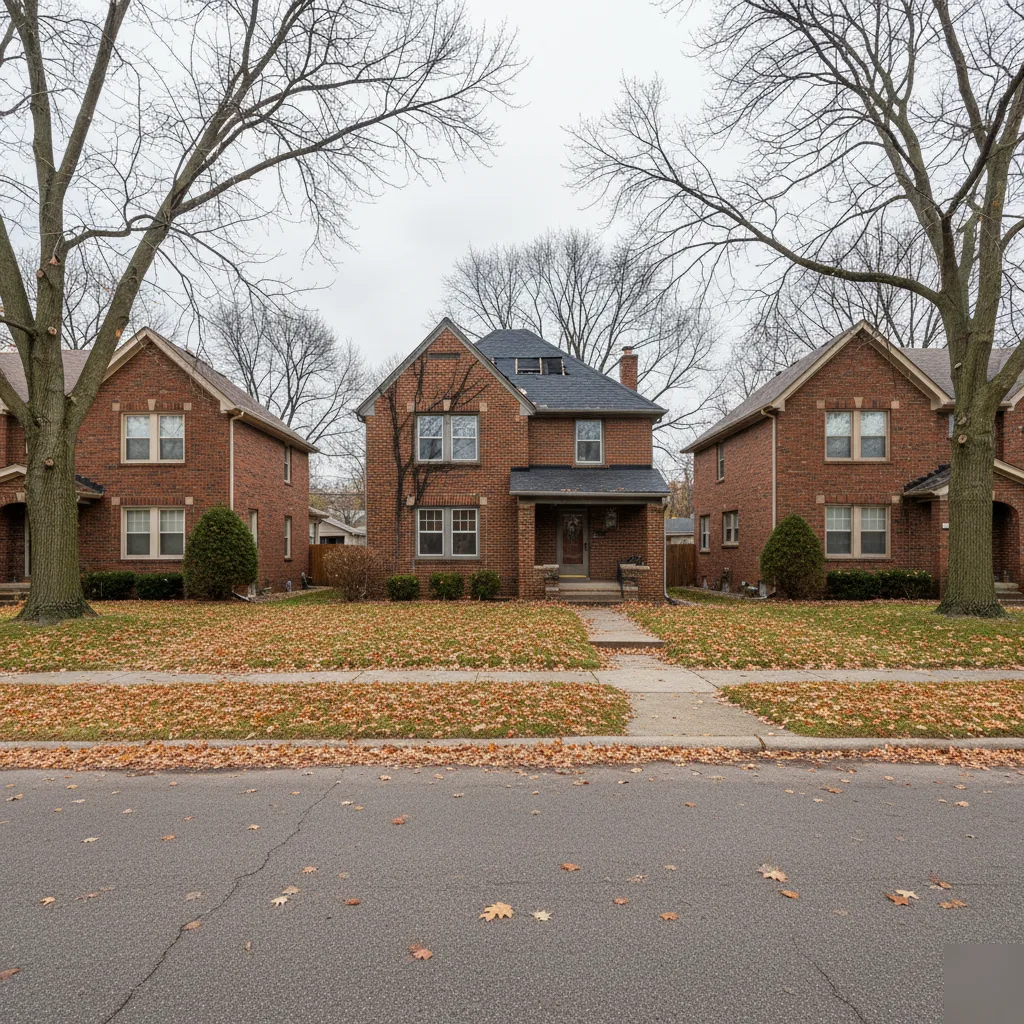
Start With Safety and Structure Before Anything Else
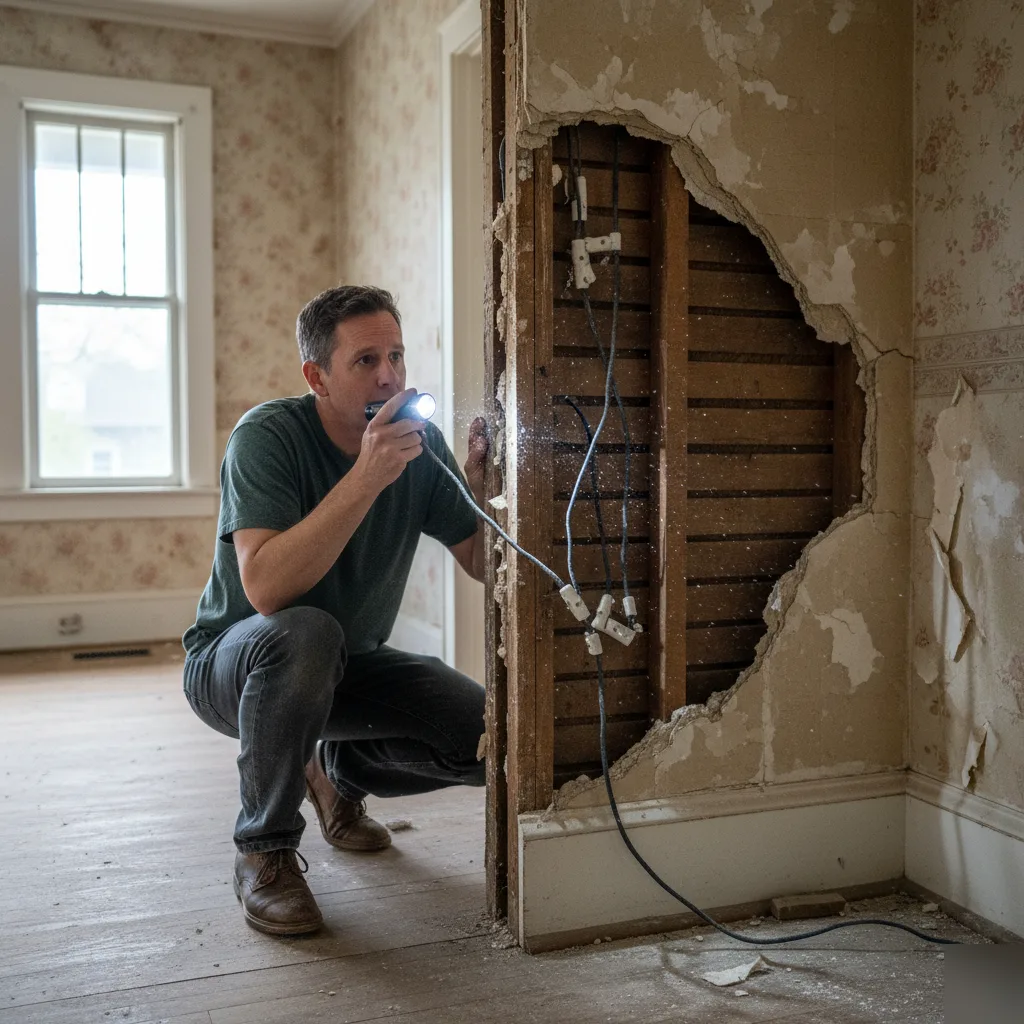
Older homes in Brownsburg have a character you can't fake. But often, beneath that, there's hidden wear that needs your attention before you pick new countertops or paint colors. The team sees it constantly. A homeowner gets excited for a kitchen remodel. Then, halfway through demolition, the crew finds knob-and-tube wiring. Or a big crack in the foundation. That discovery stops everything cold. It kills the schedule. And the budget.
So when updating an older Brownsburg home, what should you renovate first? Always start with the parts you can't see — the stuff buried deep. The core systems keeping your home safe. Safety and structural issues take priority every time. A beautiful bathroom is just a beautiful bathroom if your electrical panel is a real fire risk. A fresh coat of paint won't fix water pooling against your foundation after an Indiana spring storm. These aren't the exciting parts. But they truly protect every other dollar you'll invest later. Our home renovation planning guide walks through how to sequence each phase the right way.
What Counts as a Structural or Safety Priority
Not every older home has the exact same problems. But certain issues appear repeatedly in Brownsburg houses built before the 1980s — especially in neighborhoods near Arbuckle Acres and older sections along Main Street. Here's what the team checks before ever recommending cosmetic work:
- Foundation cracks or signs of settling — sticky doors or uneven floors are telltale signs
- Outdated electrical panels that cannot handle modern electrical loads safely
- Old plumbing materials like galvanized steel pipes that corrode from the inside and restrict water flow
- Roof damage or missing flashing that allows moisture into the attic and walls
- Inadequate insulation — common in homes built before Indiana's energy codes got serious
Any one of these things can cause bigger headaches later. And fixing them after you've already finished a remodel means tearing into new work. Nobody wants to spend their money twice.
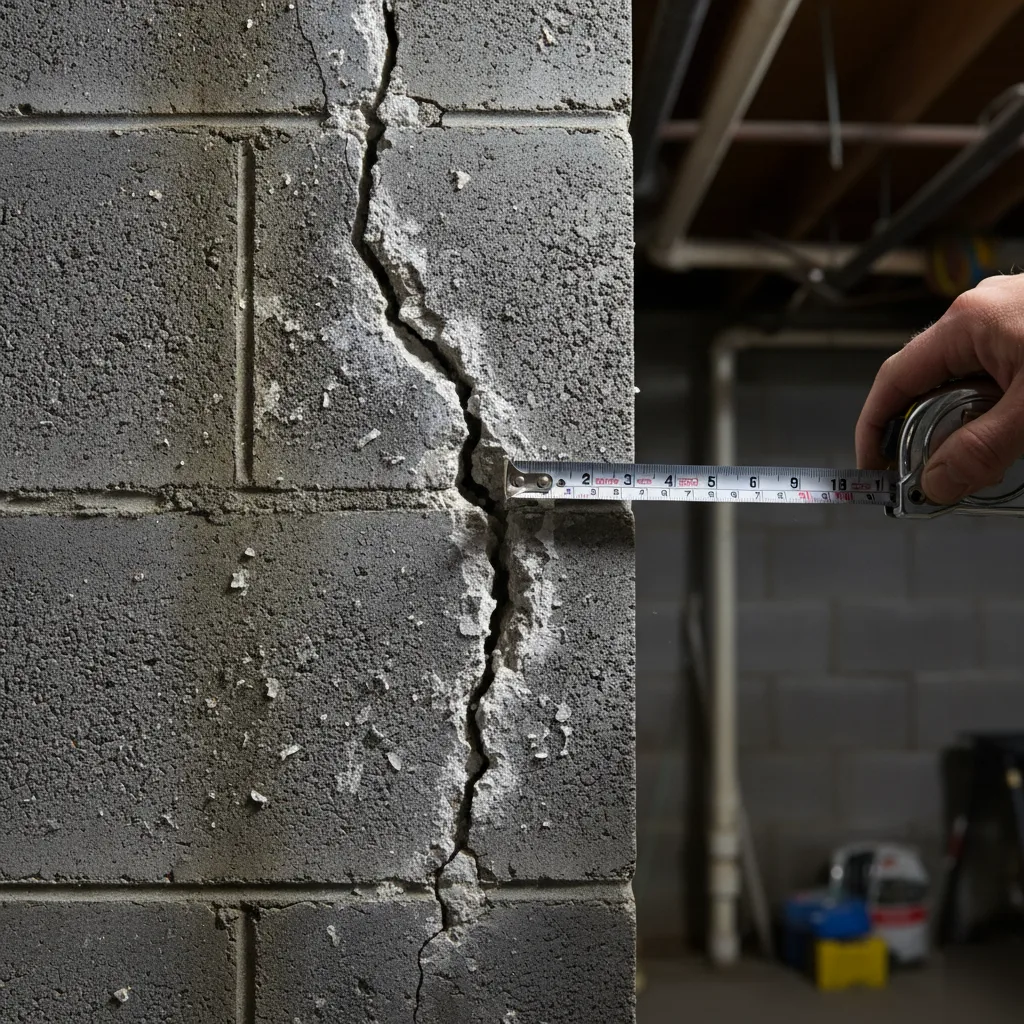
A Real Example From the Field
A Brownsburg couple bought a 1960s ranch and wanted to renovate the bathrooms immediately. But the home inspection noted some minor foundation settling. They decided to put it off. Six months after the bathroom renovation, a hairline crack in the foundation got worse. Water seeped into the crawl space. And the new tile floor buckled. They ended up paying for foundation repair and a second bathroom renovation. The team sees this play out too often.
Foundation and structural work is not glamorous — but it saves you from doing the same project twice. That's the honest truth.
How to Know What Your Home Needs
You don't have to guess. A smart renovation starts with a proper walkthrough by someone who knows what to look for. The team recommends this simple order before any remodel begins:
- Get a licensed home inspection focused on structural and mechanical systems
- Have the electrical panel evaluated by a qualified electrician
- Check the plumbing supply and drain lines for material type and overall condition
- Inspect the roof, gutters, and grading around the foundation for good water management
- Review insulation levels in the attic and crawl space — most older homes need this
The National Association of Home Builders reports that structural and mechanical system failures cause the largest share of major repair costs for homes over 30 years old. Addressing them first protects every dollar you spend after. Once your home is truly sound, you can move forward with confidence — that's when the more enjoyable work can start.
Roof and Foundation Are Time-Sensitive in Indiana's Climate
Brownsburg homes built before 1990 deal with a climate rough on roofs and foundations. The freeze-thaw cycle here is relentless. Water seeps into small cracks during fall rain, freezes in winter, then expands. That tiny crack often becomes a real problem by spring. The team sees this pattern every year in older neighborhoods near Arbuckle Acres and along corridors near Lincoln Park.
A homeowner calls about a kitchen renovation. During the walkthrough, there's a sagging roofline. Or a foundation wall with horizontal cracking. That changes the whole conversation, fast. A beautiful new bathroom doesn't mean much if your foundation is shifting. And a fresh coat of paint looks foolish under a roof that's leaking into your attic insulation. Get the big stuff handled first.
Signs Your Roof Needs Attention First
You don't need to climb a ladder to spot trouble. Most warning signs are visible from the ground or inside your home:
- Shingles that are curling, buckling, or missing in patches
- Dark streaks or moss growth showing across the roof surface
- Water stains on ceilings or upper walls inside the home
- Granules from asphalt shingles collecting in your gutters
According to the National Association of Home Builders, a standard asphalt shingle roof lasts about 20 years. Many Brownsburg homes from the 1970s and 1980s are on their second or even third roof. If yours hasn't been replaced in two decades, it's likely past due.
Foundation Problems Get Worse, Never Better
Indiana's clay-heavy soil expands when wet and shrinks when dry. That constant movement puts big pressure on foundation walls. Older homes in Brownsburg often have block foundations rather than poured concrete — block is more vulnerable to lateral pressure from the soil.
Watch for these specific warning signs:
- Check basement walls for horizontal or stair-step cracks in mortar joints
- Look at door frames and window frames throughout the house for gaps or sticking
- Walk the exterior and note any visible separation between the foundation and siding
- Step into the basement after heavy rain and check for water intrusion along the floor-wall joint
- Place a level on basement floors and check for uneven settling
A small crack today turns into a full structural repair next year. The team has walked into basements where a homeowner patched a crack with caulk three years ago, only to find the wall bowing inward by the time they called for help. Foundation repairs cost far more once the damage truly progresses. Don't wait.
One thing worth knowing about Hendricks County specifically: the water table can fluctuate quite a bit depending on where you are in Brownsburg. Homes closer to White Lick Creek often deal with more moisture pressure against foundation walls. That's something the team has seen firsthand across hundreds of project assessments in this area over the years.
HVAC and Insulation Upgrades Pay Off Earlier Than Most Homeowners Expect
Most people think of HVAC work as something invisible — not a new kitchen you can show off. But the furnace and ductwork in almost every older Brownsburg home renovation are quietly draining your wallet every single month. Fixing that first changes everything about how your home feels and what it costs to live there.
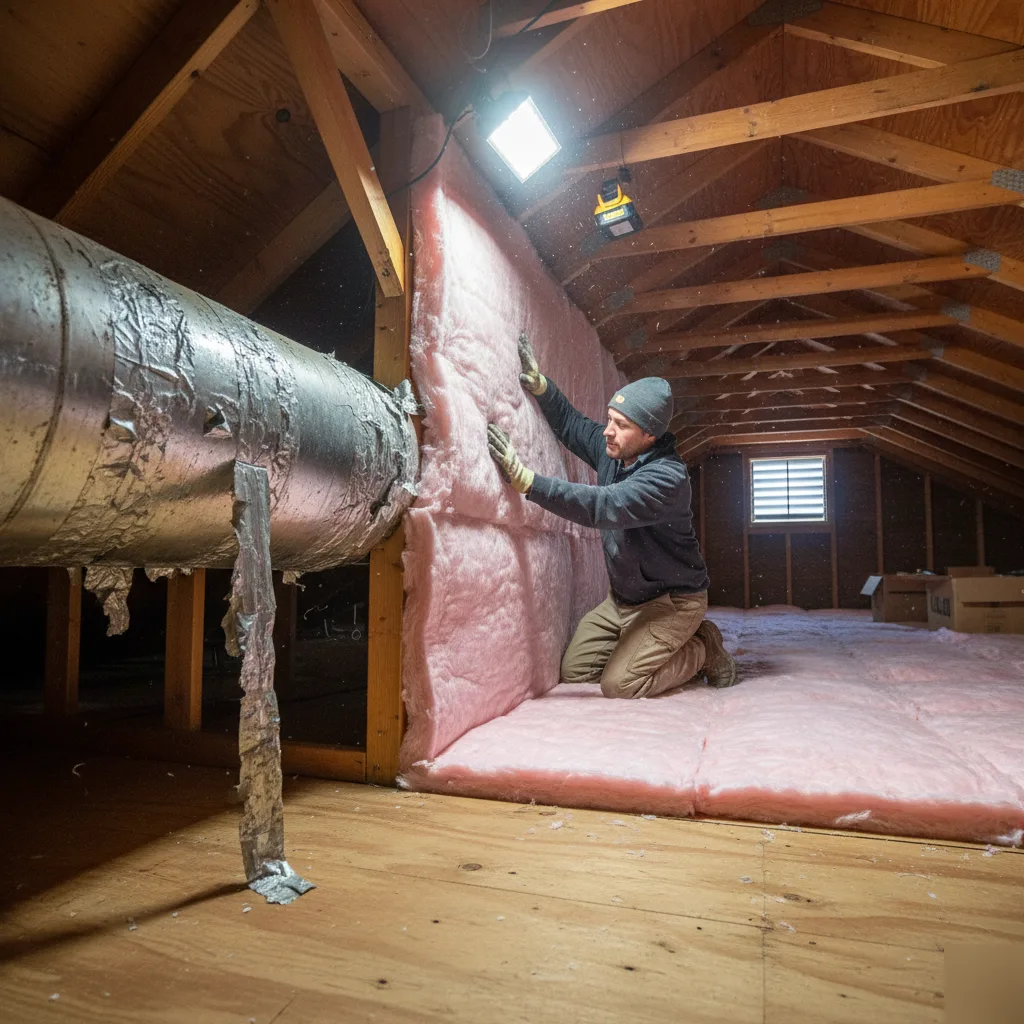
Many homes near Arbuckle Acres and the older neighborhoods around Main Street were built in the 1970s and 1980s. A lot of those still have original ductwork running through unconditioned crawl spaces. The insulation in those attics has settled or deteriorated over decades. That means your heated air in January is leaking out before it ever reaches your living room. The U.S. Department of Energy estimates heating and cooling account for about 50 percent of the average home's energy use. In a house with poor insulation and aging equipment, that number climbs even higher.
What to Tackle First With HVAC
Not every system needs a full replacement right away. Here's how the team typically approaches things when renovating an older Brownsburg home:
- Have the existing system inspected for safety issues — especially cracked heat exchangers or carbon monoxide risks
- Check the ductwork for leaks, disconnections, and sections that have collapsed in crawl spaces or attics
- Test insulation depth in the attic — Indiana code now calls for R-49 and most older homes have R-19 or less
- Seal air leaks around windows, rim joists, and electrical penetrations before adding insulation
- Replace the furnace and air conditioner if the equipment is over 15 years old or shows signs of failure
HVAC and insulation upgrades consistently rank among the improvements that deliver the strongest return on investment for homeowners updating older properties. They're not the upgrades you post on social media. But every renovation that follows sits on more solid ground — and lower monthly energy bills — once the mechanical core of the home is right. If you're wondering where your older Brownsburg home stands, reach out to the team for a project assessment before planning any interior updates. It's the smart first move.
Frequently Asked Questions
Why should I fix structural issues before updating kitchens or bathrooms in my Brownsburg home?
Structural and safety problems need to come first because finding them mid-remodel costs you far more money. If your crew opens a wall and finds bad wiring or a cracked foundation, your kitchen project stops cold. You end up paying for two projects instead of one. Older Brownsburg homes, especially those built before the 1980s, often hide these issues behind finished surfaces. Fix the hidden problems first. Then your cosmetic updates actually hold their value.
How does Brownsburg's freeze-thaw climate affect which renovations I should prioritize?
Brownsburg's climate makes roofs and foundations the most time-sensitive repairs for older homes. Water seeps into small cracks during fall rains, freezes in winter, and expands. By spring, a hairline crack can become a serious structural problem. Indiana's clay-heavy soil also shifts with moisture changes, putting constant pressure on foundation walls. If you skip these repairs and remodel a bathroom instead, you may be tearing out that new tile within a year to fix what was underneath all along.
What is the most common mistake homeowners make when renovating an older home in Brownsburg?
The most common mistake is starting with cosmetic updates before checking the home's core systems. Excitement about a new kitchen or fresh paint is completely understandable. But older homes near areas like Arbuckle Acres or along Main Street often have outdated electrical panels, corroded pipes, or roof damage hiding behind walls and ceilings. Skipping a proper inspection before remodeling means you may pay to redo that same work later. A licensed home inspection before any project starts is the smartest first step you can take.
How do I know if my older Brownsburg home's electrical panel is a safety risk?
Your electrical panel may be a safety risk if it was installed before the 1980s and has never been updated. Warning signs include frequently tripping breakers, flickering lights, or a panel that feels warm to the touch. Homes with knob-and-tube wiring or fuse boxes instead of circuit breakers are especially at risk. These older systems simply cannot handle the electrical load of modern appliances and devices. Have a qualified electrician evaluate the panel before starting any other renovation work in your home.
What is the right order to follow when planning renovations on an older Brownsburg home?
Start with a licensed home inspection focused on structural and mechanical systems. Then address foundation issues, roof damage, outdated electrical, and old plumbing before any cosmetic work begins. After those systems are sound, move to insulation and energy efficiency upgrades. Cosmetic projects like kitchens, bathrooms, and flooring come last. This order protects every dollar you spend on the fun updates. Our home renovation planning guide walks through each phase in detail.
Can I spot foundation or roof problems myself, or do I need a professional to check?
You can spot many warning signs yourself without any special tools. From the ground, look for missing or curling shingles, dark streaks on the roof, and granules collecting in gutters. Inside, watch for water stains on ceilings, sticky doors, uneven floors, or cracks along walls. These are all signals worth taking seriously. However, a professional inspection gives you a full picture of what's actually happening behind walls and under floors. What you can see is often just a small part of a bigger problem.