
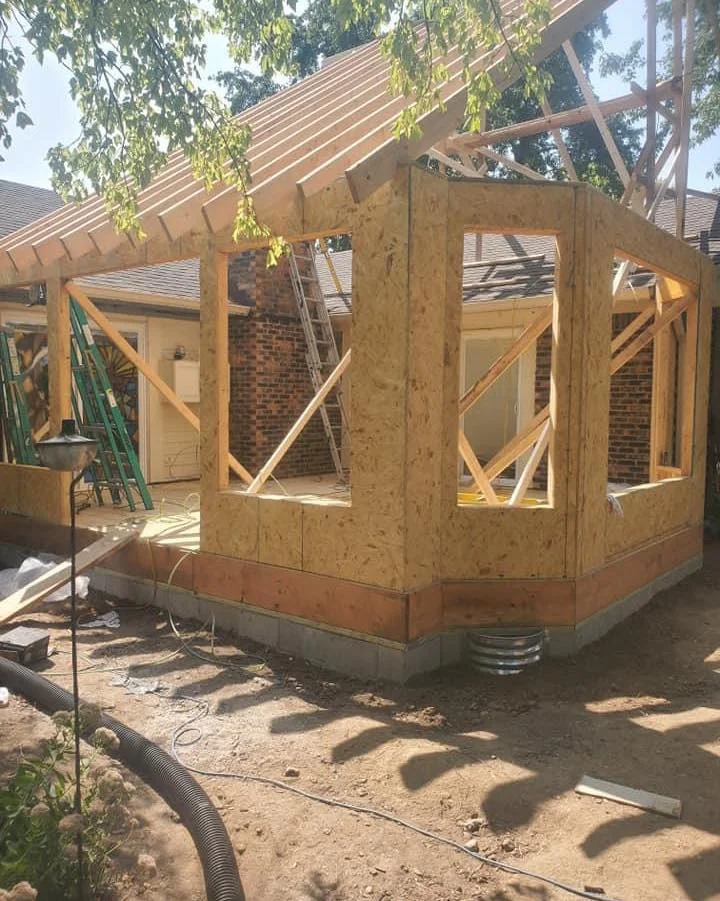
Signs You Shouldn't Renovate a House Yet
Some houses need repair work before they're ready for a renovation. Watch for foundation cracks, water stains, sagging rooflines, and old wiring. These signs mean you should get an inspection first, not start picking out cabinets.
Not every house in Brownsburg is ready to renovate right away. Some need repair work first. The team has walked into plenty of homes where the owner wanted a new kitchen, but the real problem was hiding in the basement. And that's a hard conversation to have after the demo has already started.
So how do you know if your house needs a fix before a facelift? There are a handful of signs that show up again and again in older Hendricks County homes.
- Cracks in the foundation wider than a quarter inch, especially ones that run at an angle
- Water stains on ceilings or walls that keep coming back after painting
- A roofline that sags or dips in the middle when viewed from the street
- Doors and windows that stick or won't close square anymore
- Old electrical panels or knob-and-tube wiring still in the walls
That wiring point matters more than people think. Some homes near downtown Brownsburg still have original wiring from decades back. It looks fine until you open a wall. The team has found knob-and-tube wiring behind drywall in homes that looked totally updated on the surface. Renovating around wiring like that isn't just risky, it can make your home harder or more expensive to insure.
A sagging roofline is another one that gets ignored too long.
One family near Arbuckle Acres Park called about a kitchen remodel, but the ceiling had a slight dip nobody had mentioned. Turned out a support beam had shifted years earlier. The kitchen project waited while that got fixed. It cost them time, but it saved the new cabinets from sitting on a floor that wasn't level.
Most people don't realize this until it's too late, but water stains are rarely just cosmetic. If a stain keeps showing up after you paint over it, water is still getting in somewhere. Painting over it and moving forward with a renovation just hides the problem behind new materials, which makes it more expensive to fix later.
None of this means your renovation is off the table. It means the order of operations matters.
Structural Issues vs. Cosmetic Repairs: Knowing the Difference
A cracked tile or peeling paint is annoying. A cracked foundation is a different story. The team has walked into older Brownsburg homes where a homeowner thought they needed new flooring, but the real issue was a sinking floor joist underneath. That's the gap between cosmetic and structural, and it's the first thing to sort out before you touch a hammer.
Cosmetic problems are things you can see and live with for a while. Chipped paint. Outdated cabinets. Worn carpet. None of these threaten the bones of your home.
Structural problems are different, they affect the frame, foundation, or load-bearing parts of your house.
- Cracks in the foundation wider than a quarter inch, especially ones that run diagonally
- Doors and windows that stick or won't close square anymore
- Sloping or bouncy floors, particularly near the center of the house
- Sagging rooflines visible from the street
- Gaps between walls and ceilings that keep coming back after patching
See any of those on your list? That's not a paint job. That's a foundation conversation.
The team ran into this exact situation with a ranch-style home near downtown Brownsburg. The owner wanted a kitchen remodel, but the floor near the back door had a noticeable dip. A quick look underneath showed a support beam had shifted, likely from years of moisture near the crawl space. Indiana's freeze-thaw cycle is rough on foundations, and older Hendricks County homes built before the 1990s often show this kind of wear. Fixing the kitchen first would have covered up a problem that only gets worse with time.
Here's the honest part. Cosmetic fixes are pretty forgiving. You can repaint a wall twice and it costs you nothing but time. But structural fixes done wrong, or skipped, can turn a manageable repair into a full rebuild. That's the risk nobody wants to talk about until it's already happened.
So how do you know for sure which one you're dealing with? A visual check helps, but it's not the whole picture.
If you're staring at cracks, uneven floors, or doors that won't shut right, it's worth getting a real assessment before you plan your next renovation project.
A Decision Framework: Pause, Monitor, or Move Forward
So how do you decide? You don't need a degree in construction. You need a process. After years of walking through Brownsburg homes, the team has boiled it down to five checkpoints. Run through them before you sign anything.
- Check the bones first. Look at the foundation, roof, and electrical panel before anything cosmetic.
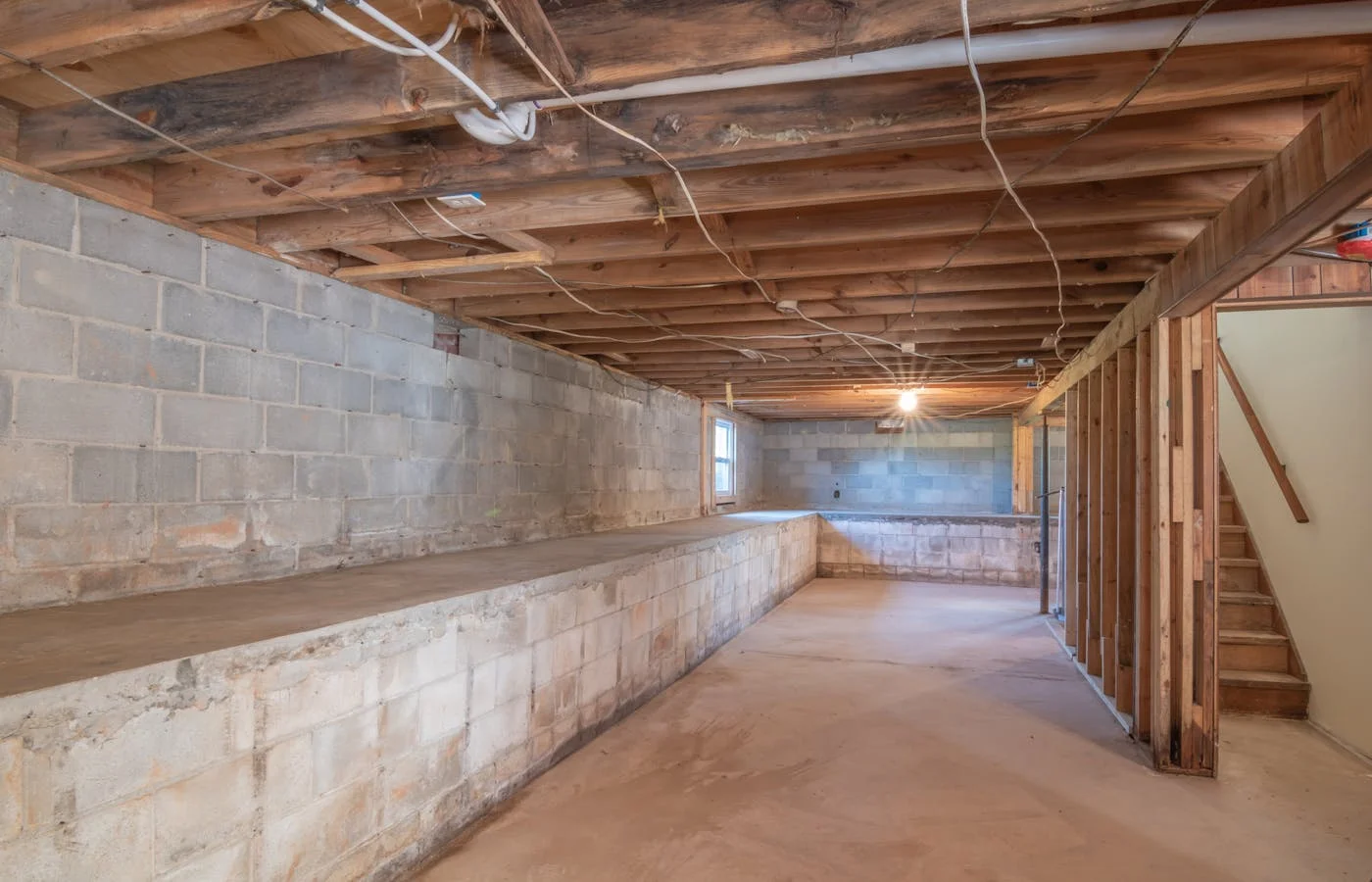
- Get a moisture reading. Crawl spaces and basements around Hendricks County hold water longer than you'd think.
- Pull the permit history. Brownsburg's building department can tell you what past work was ever inspected.
- Price out the fix, not the feature. A cracked slab costs more to solve than a new kitchen island.
- Ask a contractor to walk it with you before you pick paint colors.
If step one or two turns up a red flag, pause. Full stop. No amount of design planning fixes a wet crawl space or a sagging beam.
If the issues are small and you can watch them, monitor for a season. Some cracks in older Brownsburg homes near downtown are cosmetic settling, nothing more. But if a crack grows a quarter inch over three months, that's not settling, that's a problem getting worse.
Move forward when the home passed steps one through four with no surprises. That's your green light. And even then, start with the boring stuff, structure and systems, before the fun stuff, finishes and layout.
We tell clients this all the time, most renovation regret doesn't come from picking the wrong cabinets. It comes from skipping step one.