
Brownsburg, IN
Garage Conversion & Home Insurance in Brownsburg Explained
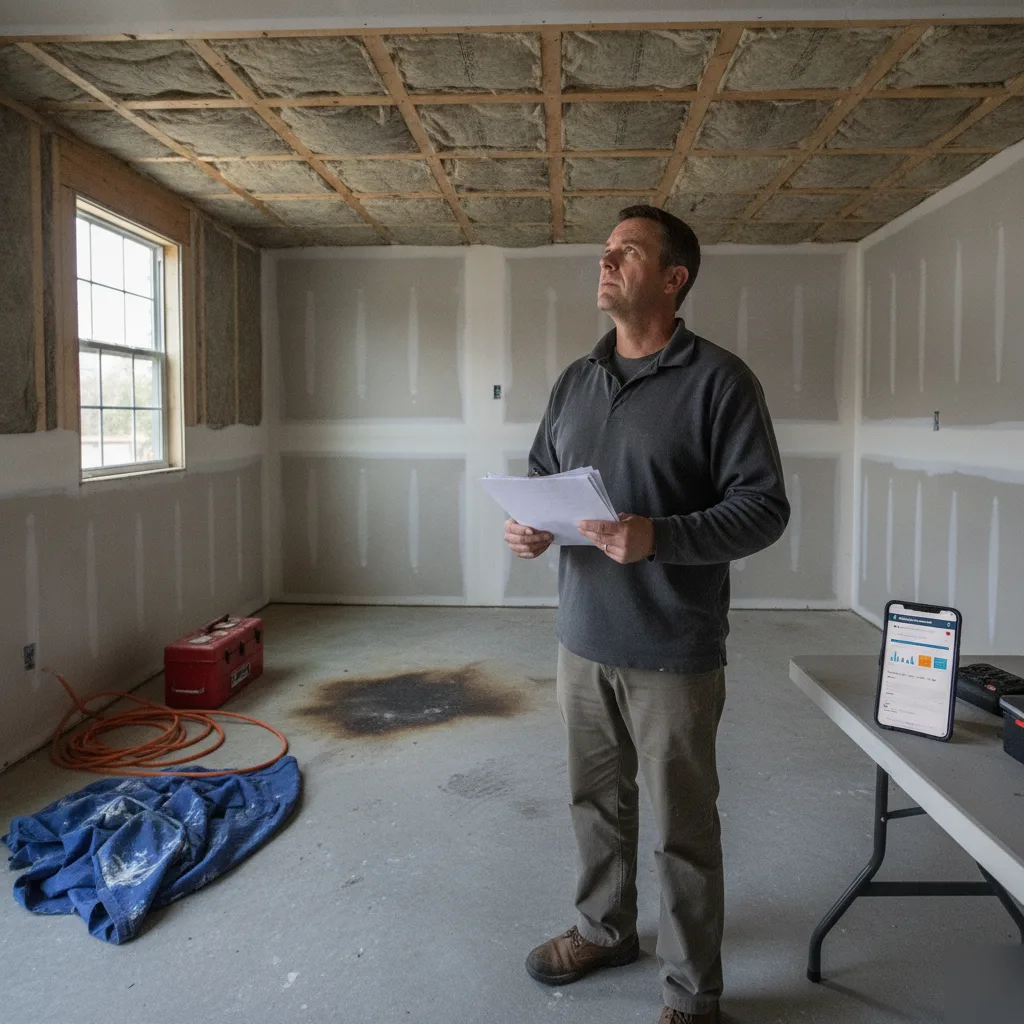
Yes, a Garage Conversion Changes Your Homeowner's Insurance
You're thinking about a garage conversion in Brownsburg. Will it affect your homeowner's insurance? The quick answer is always yes. Every time. Changing your garage into living space changes your home's structure. That means your insurance policy needs to catch up.
Here's the deal. Your homeowner's insurance covers your place. It looks at the size, how things are laid out, and what each part is used for. Turn a garage into a bedroom or office, and you've changed all three. That shift from storage to living really matters to your insurance company.
The team sees this issue come up a lot. Brownsburg homeowners often focus on permits and design ideas. They just forget to call their insurance agent. Sometimes they wait until the project is almost done. That's a real problem. If something goes wrong during construction, or right after, and your policy isn't updated, a claim could get turned down. It's a headache.
What Actually Changes on Your Policy
When your garage becomes living space, a few things move around on your policy:
- Dwelling coverage goes up. Your home's rebuild cost rises. There's more finished square footage to replace.
- Personal property coverage may need adjusting. A new room usually means more stuff inside your home.
- Liability exposure can change. If your new space has its own door, or guests use it often, your agent might suggest higher liability limits.
- Building code upgrades matter. Indiana codes demand certain rules for electrical, exits, and insulation in living areas. Your insurer wants to know those rules were followed.
Most folks in Brownsburg see a small bump in their yearly premium. Not a huge jump. But ignoring it can leave a real hole in your coverage. We've seen it happen.
When to Contact Your Insurance Agent
Don't wait until the drywall is up, you know? Call your agent before you even start tearing things out. Tell them what you're planning. Let them know the expected new size and what the space will be used for. They'll adjust your policy or add an endorsement.
And if your garage conversion includes new plumbing or HVAC work, make sure to mention that too. Adding a bathroom or a heating system to a space that was just a cold garage? That changes your risk profile for sure. Insurers pay attention to those specific details.
The team has seen this scenario play out in Hendricks County more than once. A homeowner finishes a garage conversion, never updates the policy, and then a water heater leaks in the new space six months later. The claim gets messy fast. The insurer points out the space wasn't listed as living area. That's a stress nobody needs, it's simpler to just make the call early.
So yes, a garage conversion affects your insurance. It's not the end of the world. A quick phone call to your agent before the project kicks off keeps everything clear. The premium increase is usually small compared to the lasting value you're building into your home.
The real risk isn't a slightly higher premium. It's having no coverage when you actually need it.
How Adding Living Space Affects Your Coverage and Premiums
A garage conversion changes the numbers your insurance company uses. It's that plain. When you make a garage into a room, a bedroom, an office, a family room, you're adding finished square footage. Your insurer then sees more value they need to protect.
Most homeowner's policies base dwelling coverage on replacement cost. That's how much it would take to build your home back from scratch. A finished, heated, insulated room just costs more to rebuild than a garage with concrete floors and open studs. So, your coverage limit climbs, and your premium follows.
The team sees this surprise Brownsburg homeowners all the time. Someone finishes a nice garage conversion, never calls their insurance agent, and finds out later their policy doesn't cover the new space. If a pipe bursts in your new room and you never reported the change, your claim could get rejected. That's not a scary story. It really happens in Brownsburg, especially with those older homes in established neighborhoods that get renovated.
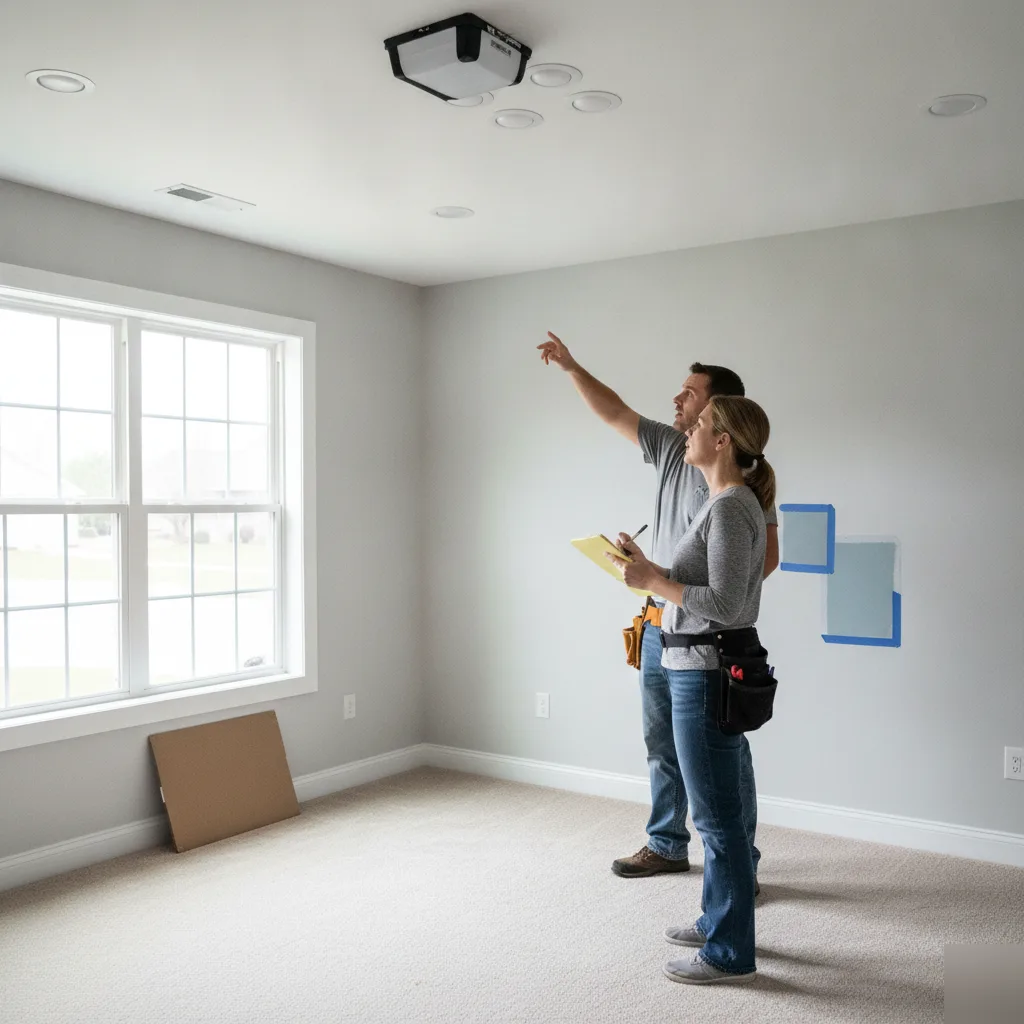
What Actually Changes on Your Policy
Here's what usually shifts when you convert a garage into living space:
- Dwelling coverage limit. Your insurer will likely raise this. It reflects the higher cost to replace a finished room compared to a raw garage.
- Personal property coverage. More living space often means more personal items inside. This limit might also need adjusting.
- Liability exposure. A room where people sleep or gather has different risks than a space for parking cars.
- Premium amount. Expect a small increase, not a big one. The exact figure depends on your carrier and the scope of the conversion, but it's usually manageable.
Any structural change that adds space or changes how a room is used should be reported to your insurer. Skipping this step doesn't save cash. It just leaves you with a gap in your coverage. We see it a lot, and it's a real pain when something goes wrong.
How Much Do Premiums Actually Go Up
This is the big question everyone has. The honest truth is it varies. But converting a garage in Brownsburg typically adds a pretty modest amount to your premium. Think about it this way. If your home's rebuild cost goes up by 10 or 15 percent because of the new living space, your premium might increase by a similar percentage. For most homeowners in Hendricks County, that's a small monthly difference, not a buster.
The bigger worry is being underinsured. Nobody wants that.
Imagine a storm hits your converted garage room. You've got fresh drywall, new electrical, HVAC ductwork, flooring. Maybe even a full bathroom. But your policy still shows the old garage value. You'd be paying for that missing coverage out of your own pocket. That's a painful surprise no one ever wants to find.
One thing the team always pushes: call your agent before the project starts. Not after you're done. Your agent can tell you exactly what paperwork they'll need. Most want to see the building permit, a description of the work, and sometimes pictures of the finished space. Brownsburg's permit process, through the Town of Brownsburg Planning Department, creates a solid paper trail. That trail actually helps you here.
And here's something most people don't consider. Research from the National Association of Home Builders shows that home improvements and insurance rates are closely linked — upgrades that increase your home's value and structural quality can directly affect what you pay and what you're covered for. If your garage conversion takes away your covered parking, some insurers will tweak your auto policy too. A car parked in the driveway faces different risks than one kept inside a garage. It's a small thing, but worth asking about when you make that call. You'll thank yourself later.
Getting your insurance lined up with your garage conversion isn't hard. It just takes one phone call and a little bit of planning. Talk to the team about your project. We'll make sure the build is done right from the start.
Permits and Insurance Are Directly Connected
Most folks don't get this until it's too late. Your insurance company really cares if your garage conversion had the right permits. And here in Brownsburg, that permit process isn't just some formality. It means something.
Here's the real kicker. If you convert your garage without pulling the proper permits, your insurer can deny any claim on that space. It doesn't matter how well the work turned out. No permit means the work was never officially approved by Hendricks County or the Town of Brownsburg. Your insurance company sees that as a big red flag.
Why Permits Matter to Your Insurer
A building permit shows your garage conversion meets local building codes. It confirms the electrical was checked out. It confirms the plumbing passed its tests. It confirms any structural changes are solid and safe. Your insurance company uses those inspections to feel good about covering the new space.
Without that paper trail, you're asking your insurer to cover a space they know nothing about. That's a gamble they simply won't take. We've seen homeowners lose out because of this.
The team sees this happen in Brownsburg more than you might guess. A homeowner finishes a garage conversion, skips the permit part, then files a claim after a pipe bursts or a fire starts in the new living area. The adjuster shows up, checks the town records, finds no permit on file. Claim denied. It's tough to watch.
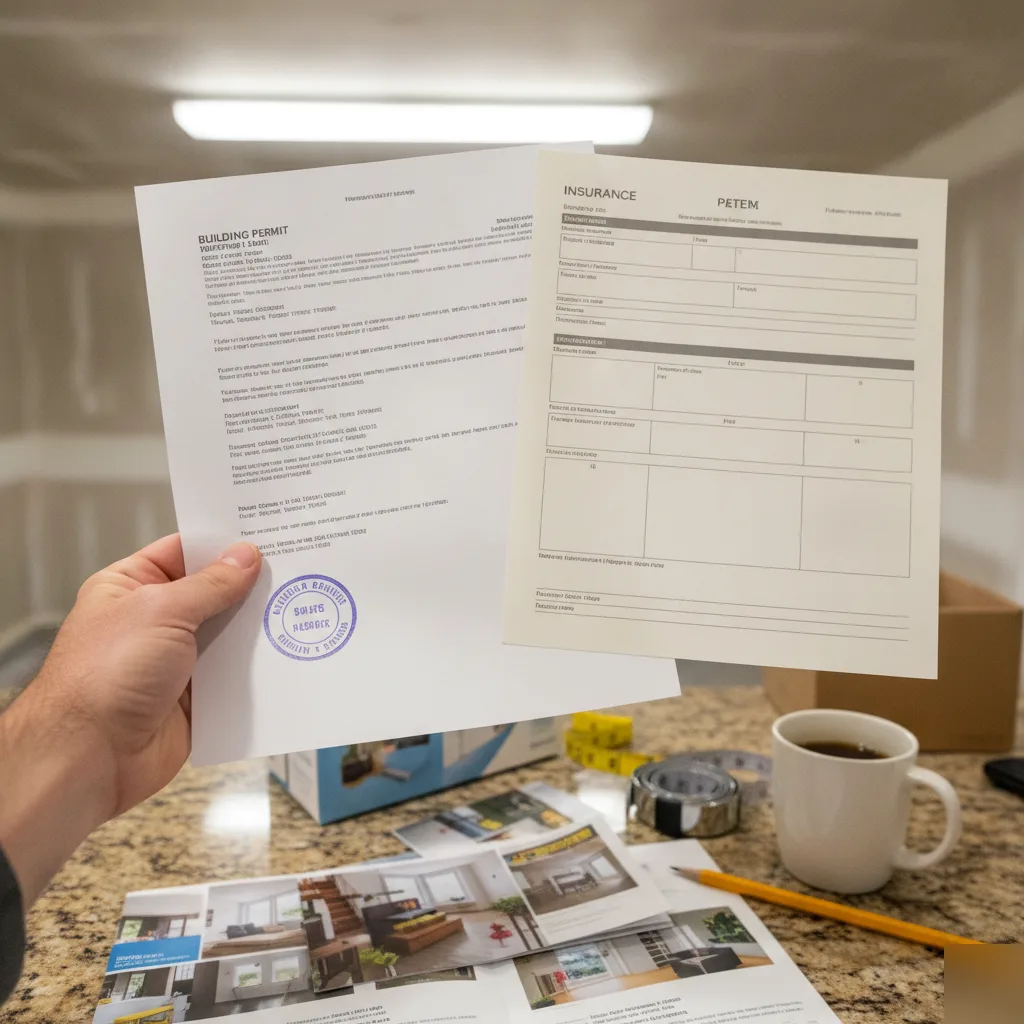
What Brownsburg Requires
In Brownsburg, you will definitely need a building permit for a garage conversion. The Town's planning department looks over any changes to your home's footprint and how you use the space. Converting a garage from parking or storage into living space means hitting several code requirements:
- Electrical upgrades to make it meet habitable room standards
- Proper egress windows for safety in case of fire
- Insulation and ventilation that meet Indiana's energy code for homes
- Foundation and floor changes if the existing concrete isn't up to grade
Each of these things gets an inspection. Each inspection creates a record. That record is exactly what your insurance company wants to see when you update your policy. It's all about proof.
The Connection Most Homeowners Miss
Think of it like this. Permits and insurance are two sides of the same coin, they both work to protect you. A permit keeps you safe during the build, making sure the work is sound. Insurance protects you after the build, covering damage or loss. But insurance only really works if the permit happened first.
There's also a timing thing. You really should tell your insurance company before the conversion is all finished. Not after. If you wait, you have a gap. Your new living space has zero coverage during that time. The team has helped Brownsburg homeowners who just assumed their existing policy would cover the new room automatically. It just doesn't work that way. We wish it did.
Your insurer needs to know the square footage changed. They need to know a garage became a bedroom or an office. They need to adjust your dwelling coverage to match the higher rebuild cost. Skipping this step leaves you hanging.
One practical detail worth noting. Indiana law doesn't make your contractor pull the permit for you. But a good, experienced contractor will handle it. Or they'll walk you through the whole process. Our garage conversion services cover the permit process from day one, so the paperwork is in place when it counts. If someone tells you permits aren't needed for this kind of project in Brownsburg, that's a pretty clear warning sign about the quality of work you're about to get. Trust us on this.
So before any walls go up or any concrete gets covered, make sure that permit is in your hand. It's the one step that keeps your insurance valid. It keeps your home investment protected. Getting the permit process right from day one saves you from big problems down the road.
Frequently Asked Questions
Does a garage conversion in Brownsburg require a permit, and will my insurer ask about it?
Yes, Brownsburg and Hendricks County require permits for garage conversions that add living space. Your insurer will likely ask whether the work was permitted and up to code. Indiana building codes set rules for electrical, exits, insulation, and egress windows in living areas. If your conversion doesn't meet those standards, your insurer may limit or deny a claim. Always pull the permit first. It protects you during construction and keeps your coverage solid after the project wraps up.
What is a common mistake Brownsburg homeowners make with insurance during a garage conversion?
The most common mistake is waiting until the project is finished before calling the insurance agent. Many homeowners focus on permits and design, then forget the insurance piece entirely. If something goes wrong during construction and your policy hasn't been updated, a claim can be denied. The fix is simple: call your agent before you start. Tell them the planned square footage and how the space will be used. That one call protects you from day one of the project.
How does converting a garage affect my home's dwelling coverage limit?
Converting a garage raises your home's rebuild cost, so your dwelling coverage limit should go up too. A finished, heated, insulated room costs more to replace than a raw garage with concrete floors. Your insurer bases dwelling coverage on replacement cost, and more finished square footage means a higher number. If you skip updating your policy, you could end up underinsured. That gap shows up fast if a storm, fire, or water leak hits your new living space.
Do I need to tell my insurance company if I add plumbing or HVAC to my converted garage?
Yes, absolutely tell your insurer if you add plumbing or HVAC to the converted space. Adding a bathroom or a heating system changes your risk profile. A water heater, supply lines, or ductwork in a space that was never meant for those systems introduces new risks. Insurers pay close attention to those details. Leaving them out of your policy update can create a gap in coverage if something leaks or fails later. Mention every major system change when you call your agent.
Will my personal property coverage need to change after a garage conversion in Brownsburg?
It might, yes. More living space usually means more personal belongings inside your home. A new bedroom, office, or family room tends to fill up with furniture, electronics, and other items. Your current personal property limit may not reflect that added value. When you call your agent to report the structural change, ask them to review your personal property coverage too. It's a quick conversation that can save you from a shortfall if you ever need to file a claim. Learn more on our garage conversion page.
Are older homes in Brownsburg's established neighborhoods treated differently by insurers during a garage conversion?
Older homes in Brownsburg can face extra scrutiny during a garage conversion. Insurers look at whether the existing structure meets current Indiana building codes. Older homes may have outdated wiring, aging framing, or original plumbing that gets flagged when new living space is added. Your insurer may require a building code upgrade endorsement to cover the cost of bringing older systems up to current standards. If your home was built several decades ago, ask your agent specifically about code upgrade coverage before the project starts.